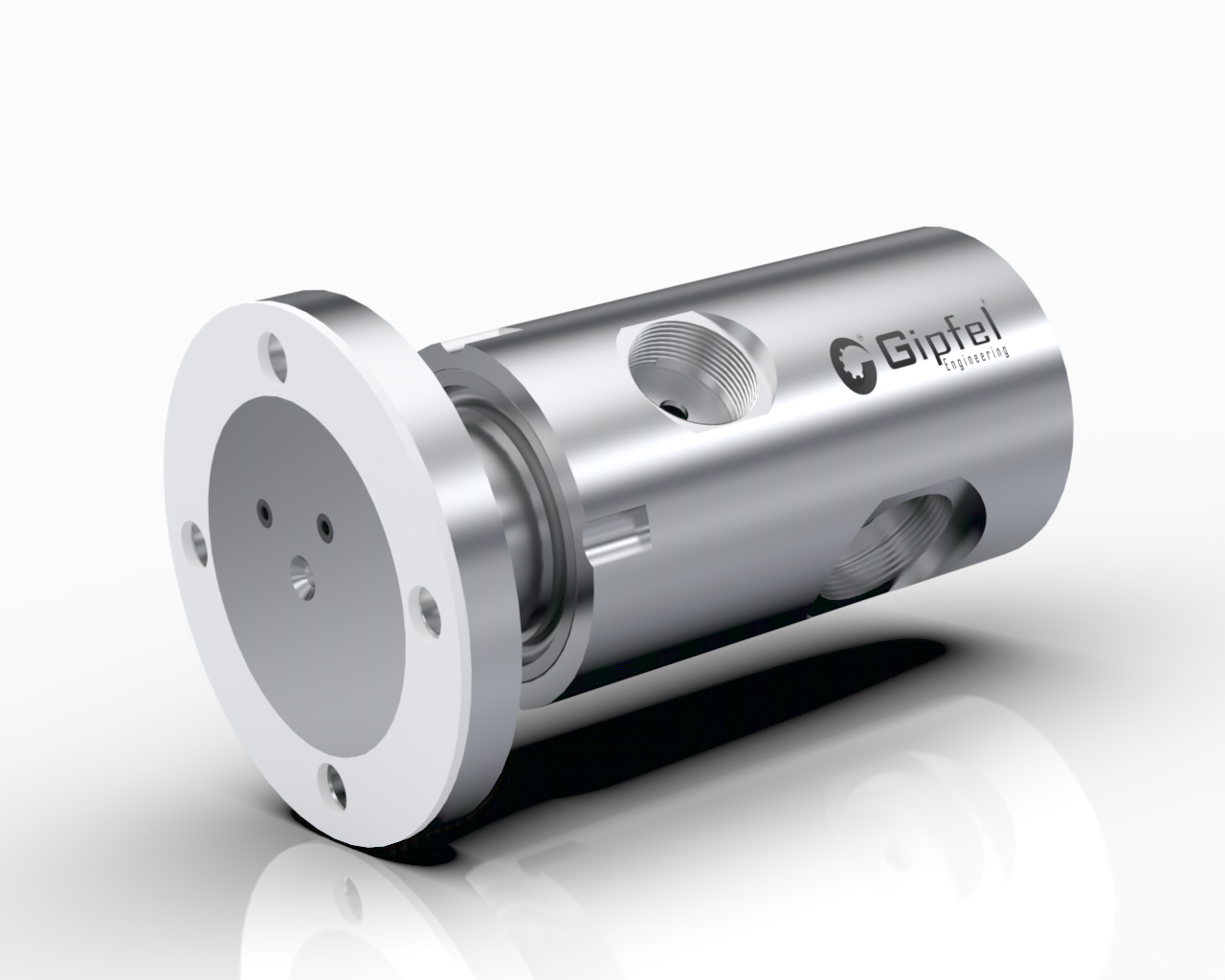
Description;
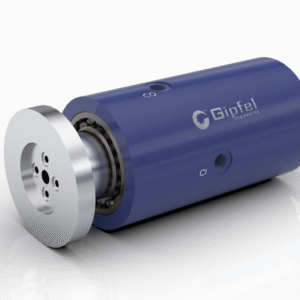
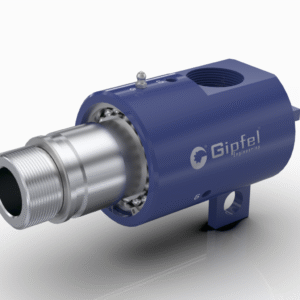
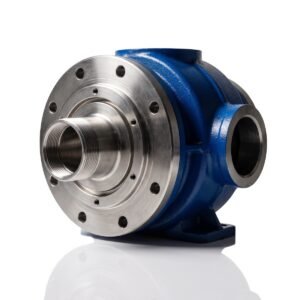
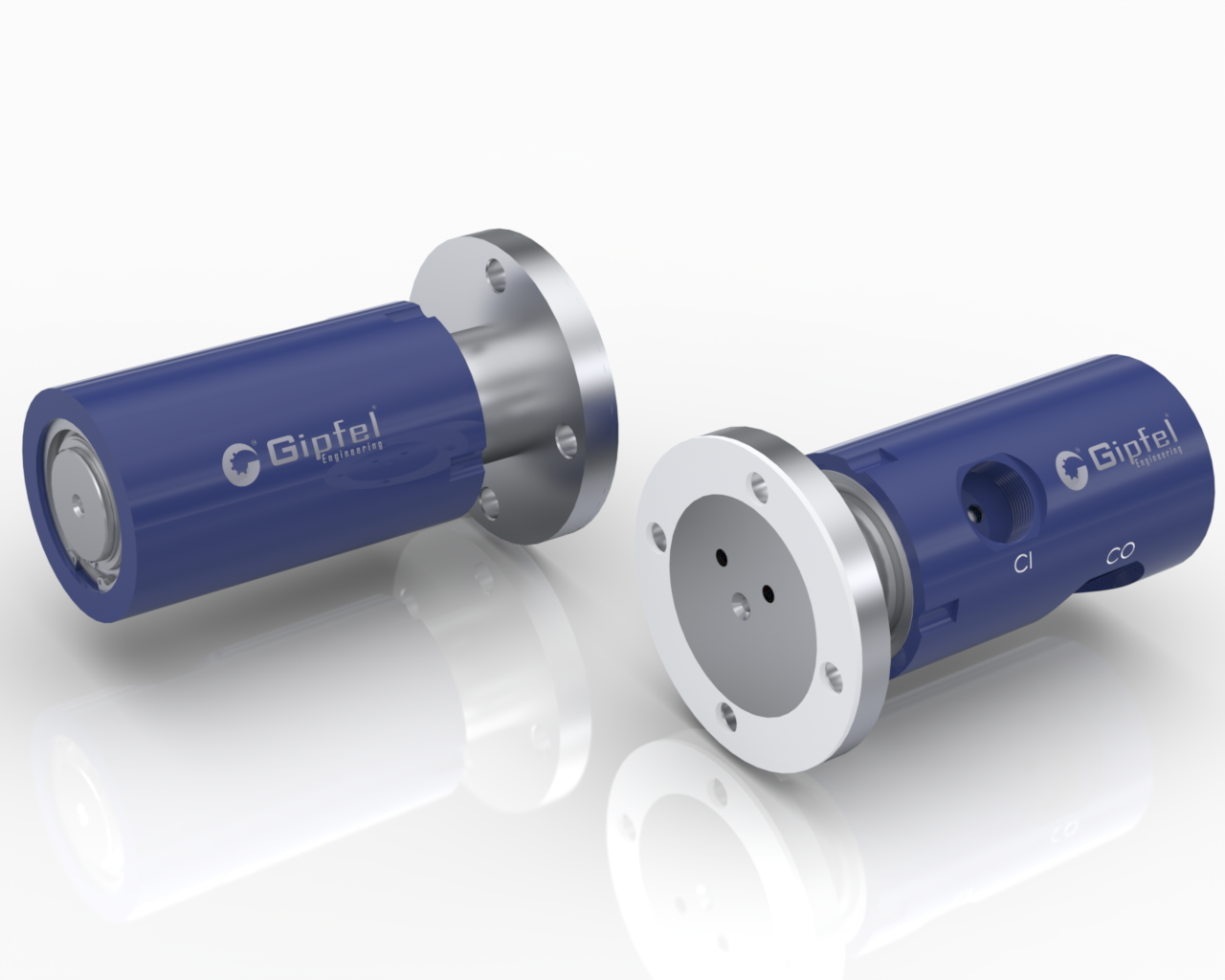
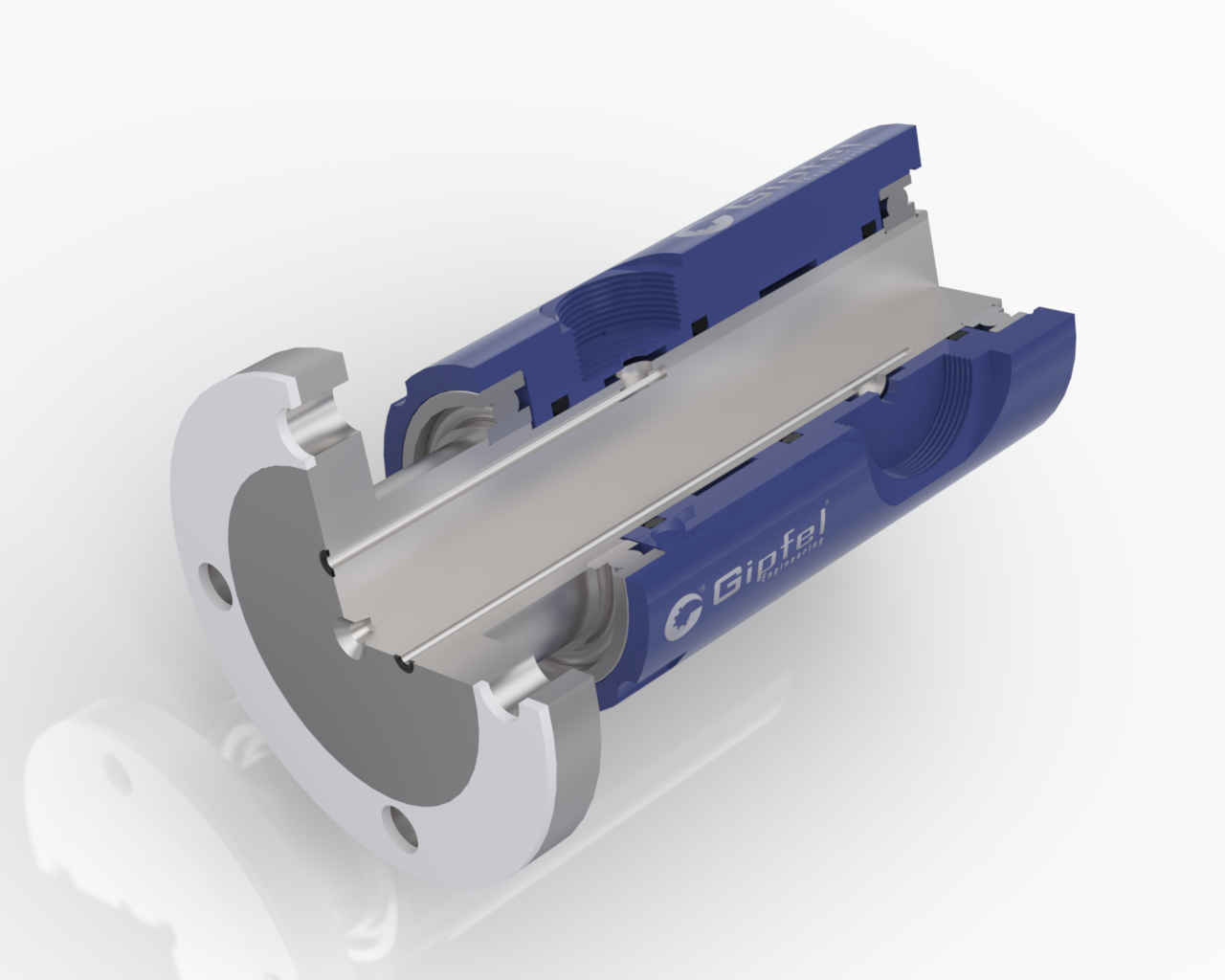
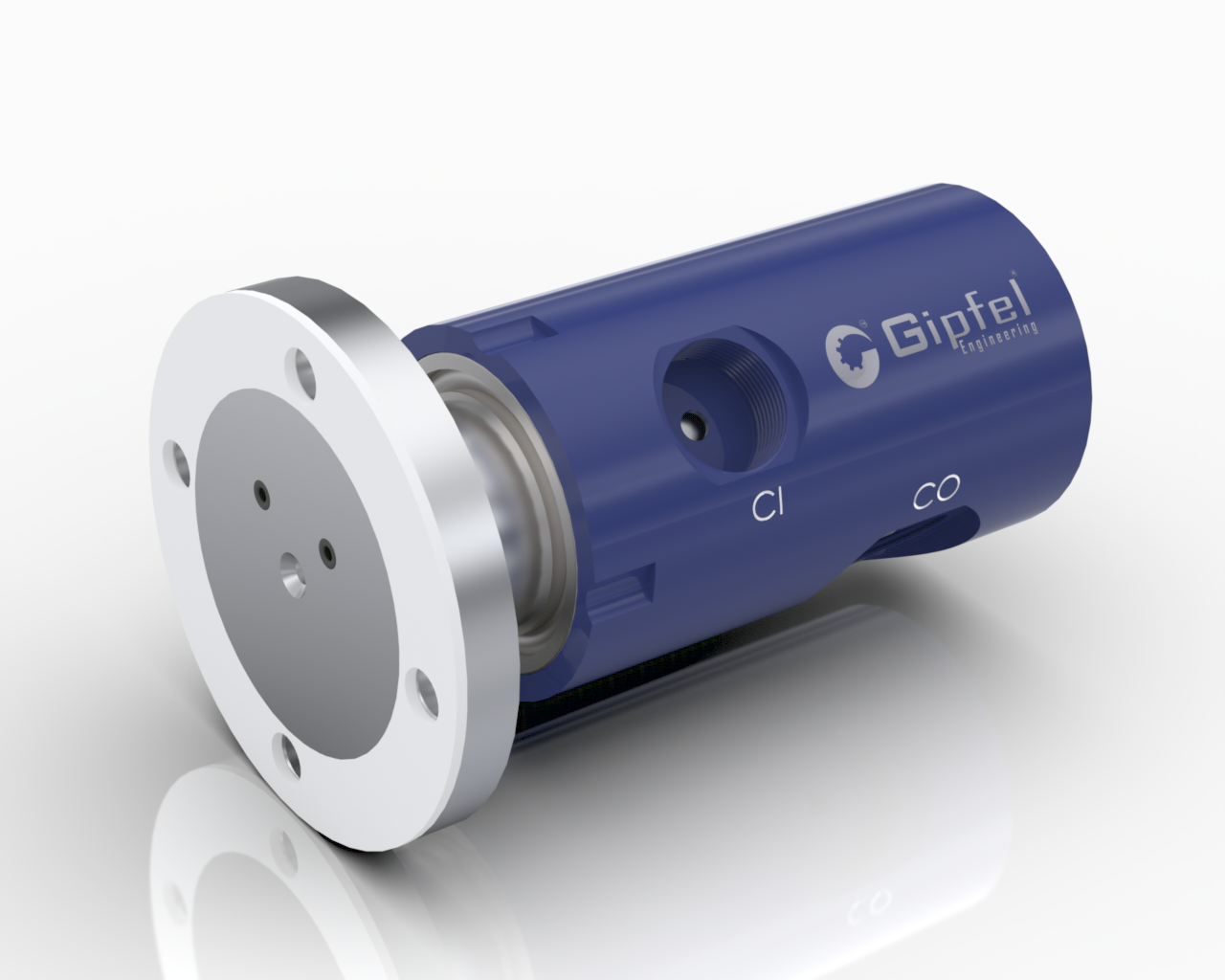
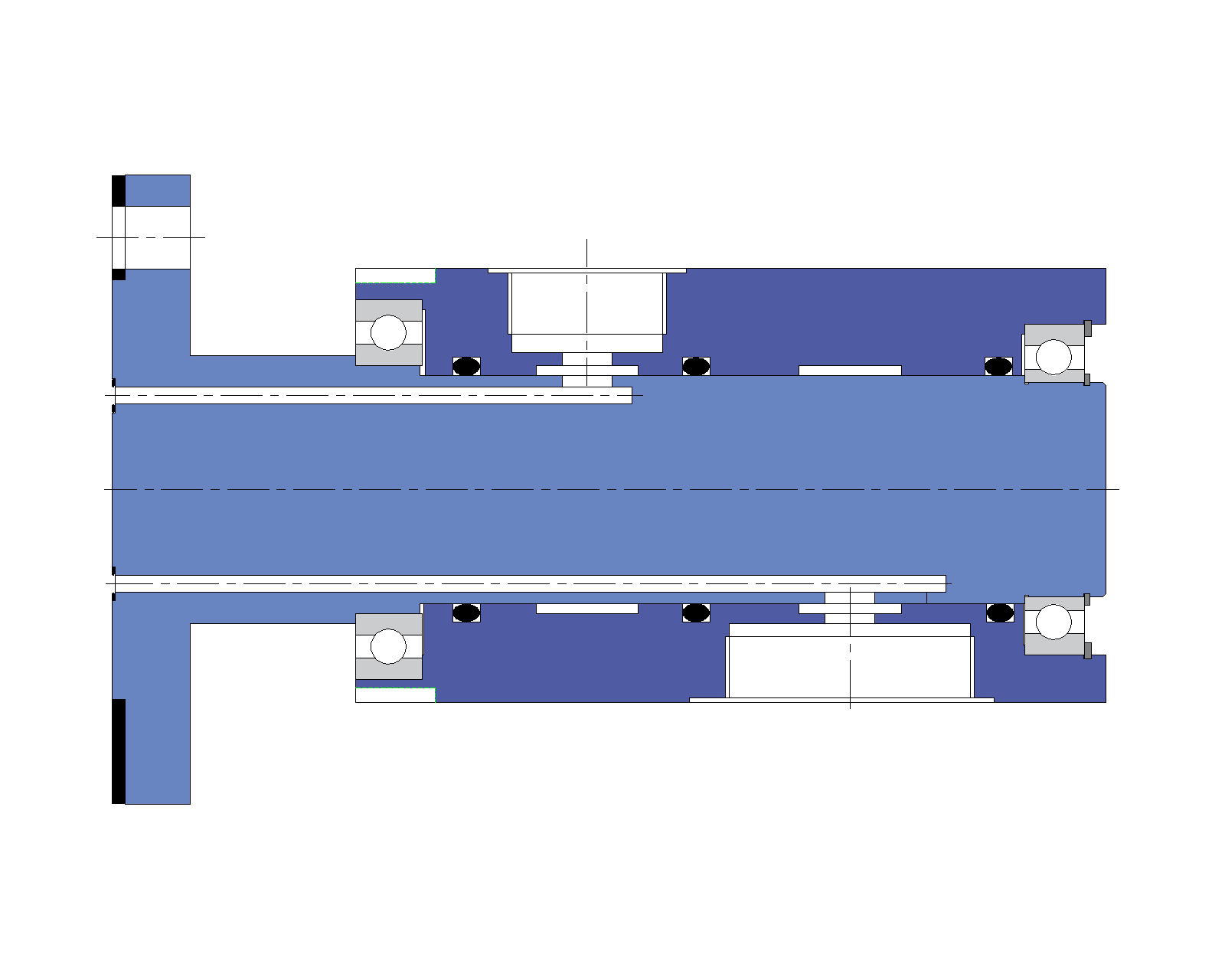
The RJ-1215 Double Pass Rotary Joint is a fixed siphon-type rotary union designed to transfer heating or cooling media into rotating rolls, cylinders, drums, and jacketed equipment while allowing condensate or return flow through the same assembly. Its double-passage construction separates inlet and return paths within a single unit, reducing external piping, supporting efficient heat transfer, and maintaining stable thermal performance with minimal leakage.
In fixed siphon service, the stationary siphon pipe is positioned inside the rotating roll or dryer cylinder to continuously remove condensate or return fluid from the lowest collection point. This design is widely used in steam-heated dryers, heating and cooling rolls, calenders, jacketed drums, reactors, and other rotating process equipment where thermal stability, leakage control, and long service life are essential.
Technical Key Features;
- Multiple seal configurations available according to media, temperature, and abrasion level.
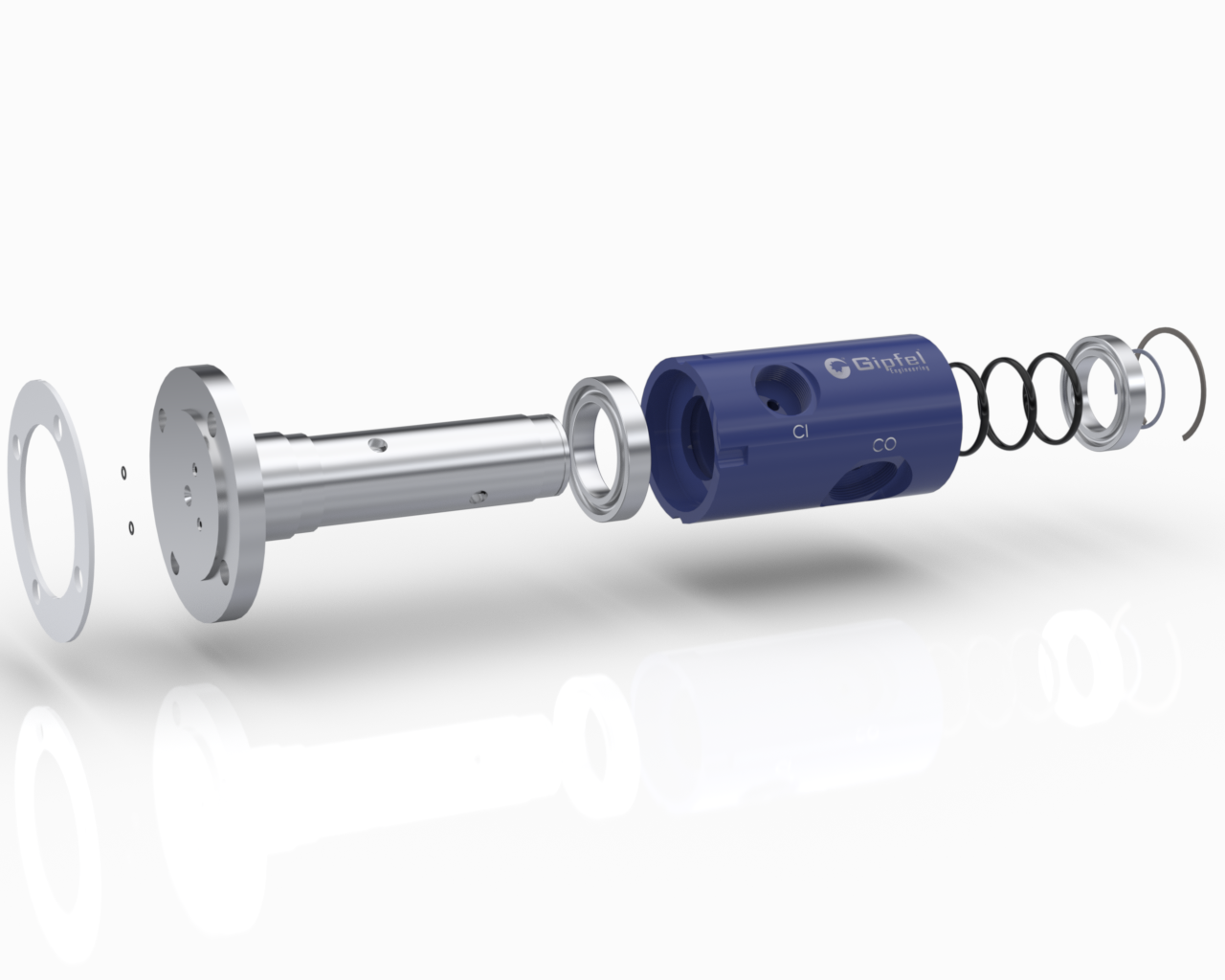
- Field-replaceable seals and bearings for reduced maintenance downtime and cost-effective service.
- Application-specific material options for corrosive, hygienic, high-temperature, or abrasive environments.
- Few rotating components to minimize mechanical wear, with a stationary siphon and rotating rotor/shaft only.
- Isolated spring systems with springs protected from process fluid to reduce corrosion, fouling, and spring hang-up.
- Available with flanged or threaded connections for straightforward integration with common piping standards.
- Suitable for steam, hot water, thermic fluid, and cooling water service, depending on seal face and elastomer selection.
- Suitable for horizontal rolls where siphon geometry and minimum differential pressure support efficient condensate removal.
- Double-pass flow arrangement for simultaneous media supply and condensate or return-fluid discharge through a single rotary joint.
- Precision-lapped seal faces for low leakage, stable sealing, and extended operating life under steam, hot water, and thermal-fluid duty.
- Dual-flow capability maintains controlled separation of inlet and return flow paths to improve thermal efficiency and reduce external piping.
- High-performance bearing support for designed thrust and speed loads, providing smooth rotation and reduced vibration in high-duty applications.
- Compact concentric, industrial construction to minimize space requirements and enable easy integration with existing roll, dryer, and process equipment layouts.
- Fixed siphon configuration with a stationary internal siphon pipe positioned for low-point condensate collection and reliable evacuation in rotating dryers, rolls, and cylinders.
Service Overview;
| Parameter | Value |
| Equipment | Rotary dryers, steam rolls, calenders, cooling rolls, printing cylinders, jacketed drums, process rolls |
| Fluid | Steam, condensate, hot water, cooling water, thermic fluid, process heating/cooling media |
| Service Nature | Heating, cooling, condensate removal, thermal transfer, continuous rotary service |
| Operating Mode | Continuous or intermittent rotation with fixed siphon condensate extraction |
Specifications;
| Item | Min | Max | Typical / Notes |
| Size | 12 mm (0.500”) | 300 mm (12.000”) | Custom sizes available on request; confirm journal diameter and installation clearance |
| Pressure | Vacuum service | 17 bars (247 psi) | 12 bar corresponds to saturated steam ≈187°C; see P‑T derating note below |
| Temperature | -20°C (-4°F) | +220°C (+428°F) | Above ≈200°C, verify elastomer and face materials; factory P‑T curve required for steam at elevated temperature |
| Speed | Low-speed indexing | 1500 RPM | Speed limit is size‑dependent; confirm with roll diameter/balance and application |
Materials;
| Component | Standard Material | Optional Material | Comment |
| Body / Housing | Cast Iron / Carbon Steel | SS 304 / SS 316 / Bronze | Selected based on corrosion, hygiene, and media compatibility |
| Shaft / Rotor | Carbon Steel / SS 304 | SS 316 / Hardened SS | Precision-machined for seal stability and concentric running |
| Seal Faces | Carbon (rotary) vs Ceramic (stationary) | Carbon vs SiC / SiC vs SiC / Tungsten Carbide | Face pairing selected according to steam, water, or thermic-fluid duty |
| Secondary Seals | FKM / Graphite Packing | EPDM / PTFE / FEP Encapsulated FKM | Based on temperature and chemical compatibility |
| Springs / Hardware | SS 304 / SS 316 | Inconel / Hastelloy | Critical for steam service; springs should be isolated from process fluid where possible |
| Bearings / Support Parts | Standard industrial bearing grade | High-temperature bearing arrangement | Specify bearing type and lubrication/maintenance plan |
| Siphon Pipe | Carbon Steel / SS 304 | SS 316 / Alloy | Fixed siphon for condensate or return fluid evacuation |
Applications;
- Textile finishing machines, steam cylinders, dryers, and calenders.
- Printing and packaging cylinders, laminating machines, and coating rolls.
- Chemical reactors, heated drums, process rolls, and thermal-fluid systems.
- Food and beverage dryers, cooking rolls, cooling rolls, and process cylinders.
- Pulp and paper dryer sections, felt rolls, Yankee dryers, and coating machines.
- Steel plants, strip processing lines, galvanizing lines, and metal finishing rolls.
- Pharmaceutical dryers, jacketed process rolls, and hygienic thermal equipment.
- Plastic and rubber processing rolls, extrusion cooling rolls, and mixing equipment.
- Tyre manufacturing presses, calenders, curing lines, and rubber sheet processing systems.
Operating Limits;
| Parameter | Value |
| Pressure | Up to 17 bars (247 psi) |
| Temperature | -20°C to +220°C (-4°F to +428°F) |
| Speed | Up to 1500 RPM |
| Size Range | 12 mm to 300 mm (0.500” to 12.000”)
Custom sizes available; provide journal drawings |
How to order / data required from the customer;
- Roll journal diameter and tolerance, roll wall thickness, and journal length.
- Any site‑specific constraints for maintenance access or special testing requirements.
- Expected media (steam, thermal oil, hot water, other) and maximum operating pressure and temperature.
- Operating mode (continuous or intermittent), expected RPM range, and condensate load estimate if
available.
- Connection type and size required (thread/flange standard) and any special material or certification requirements (PED, ATEX, traceability).