
Description
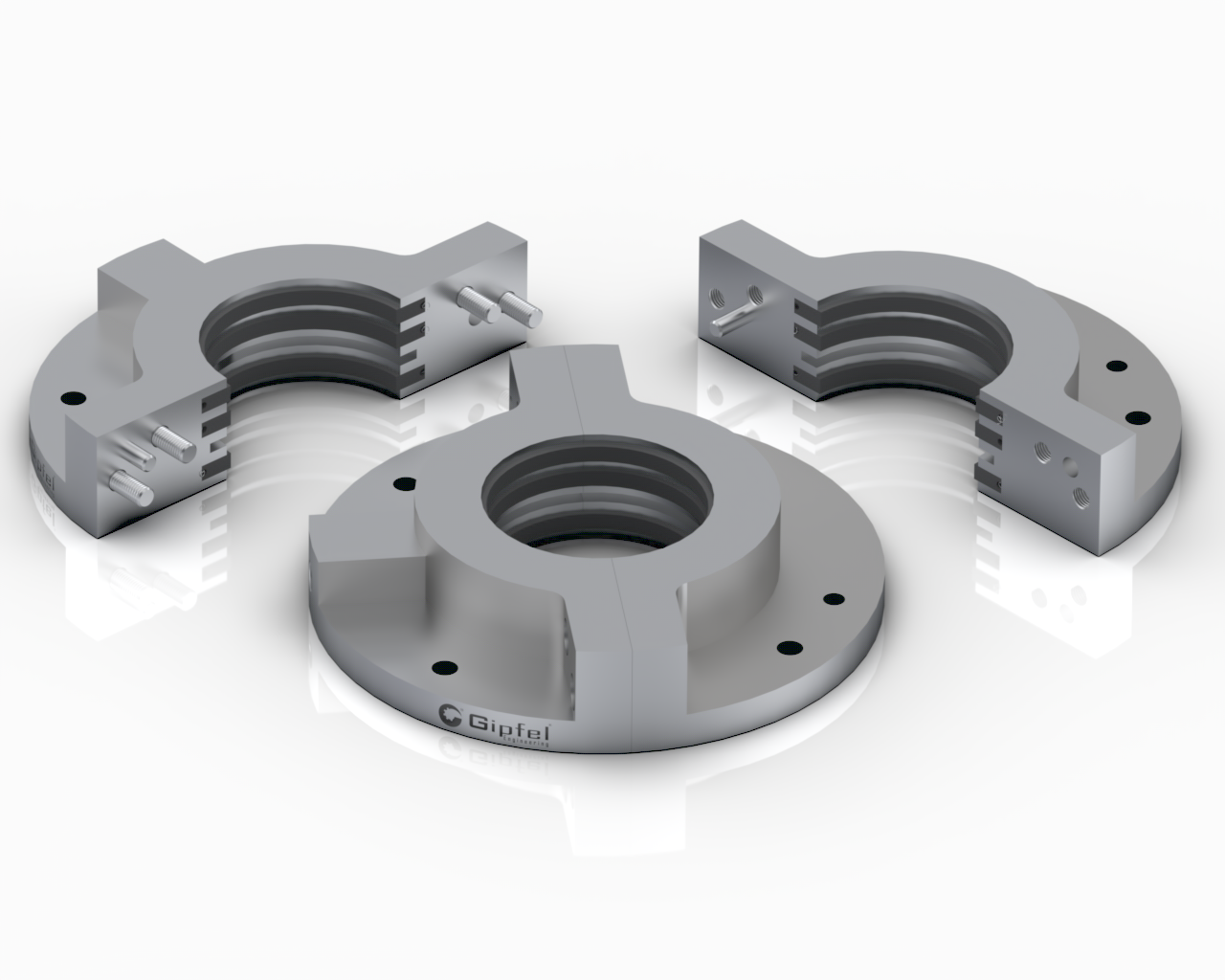
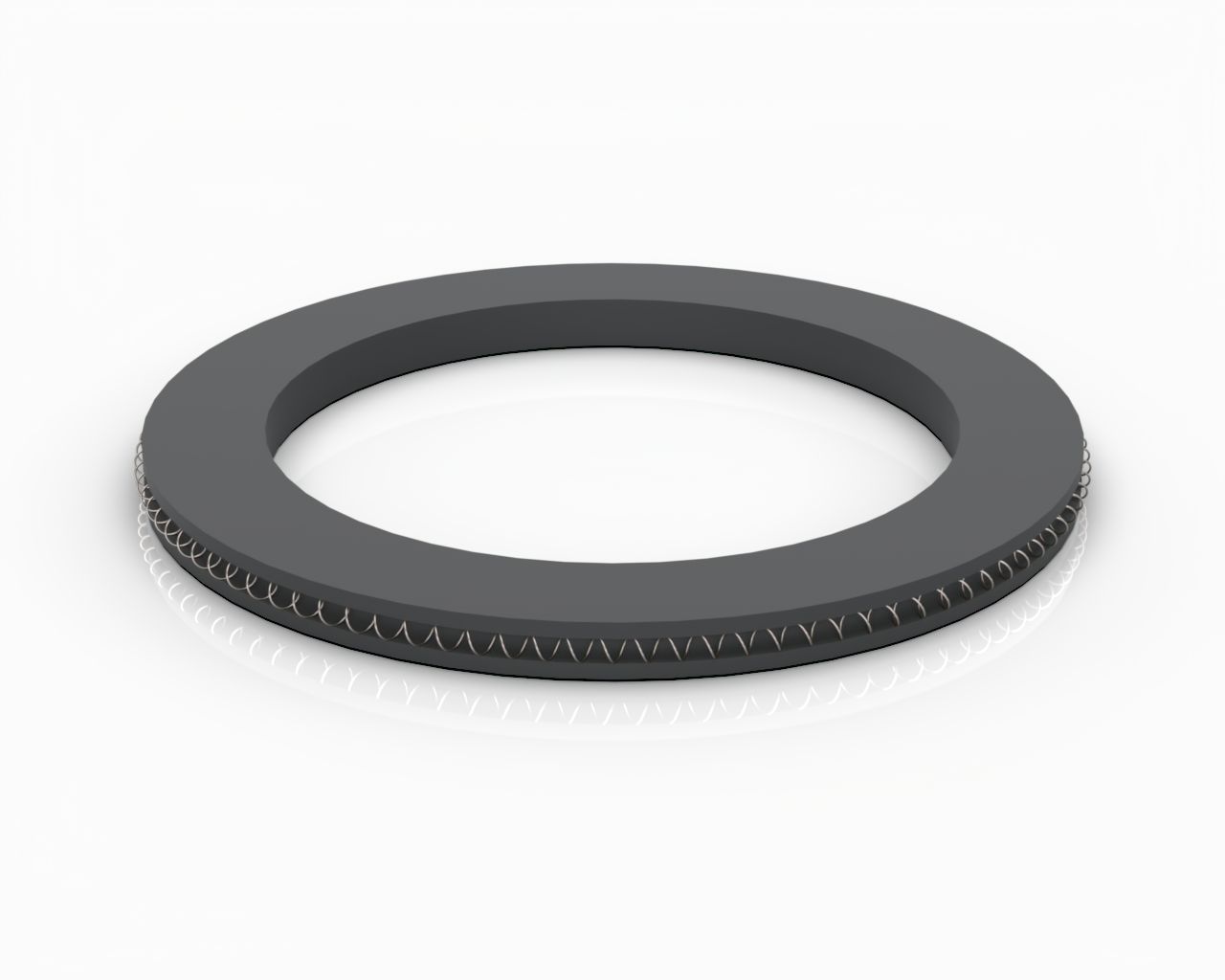
The CS-1605 Carbon Segmented Ring is a precision-machined, split carbon graphite sealing ring designed for shaft-end glands, turbine packing chambers, rotating and reciprocating shafts, and dry-running gas or steam sealing duties.
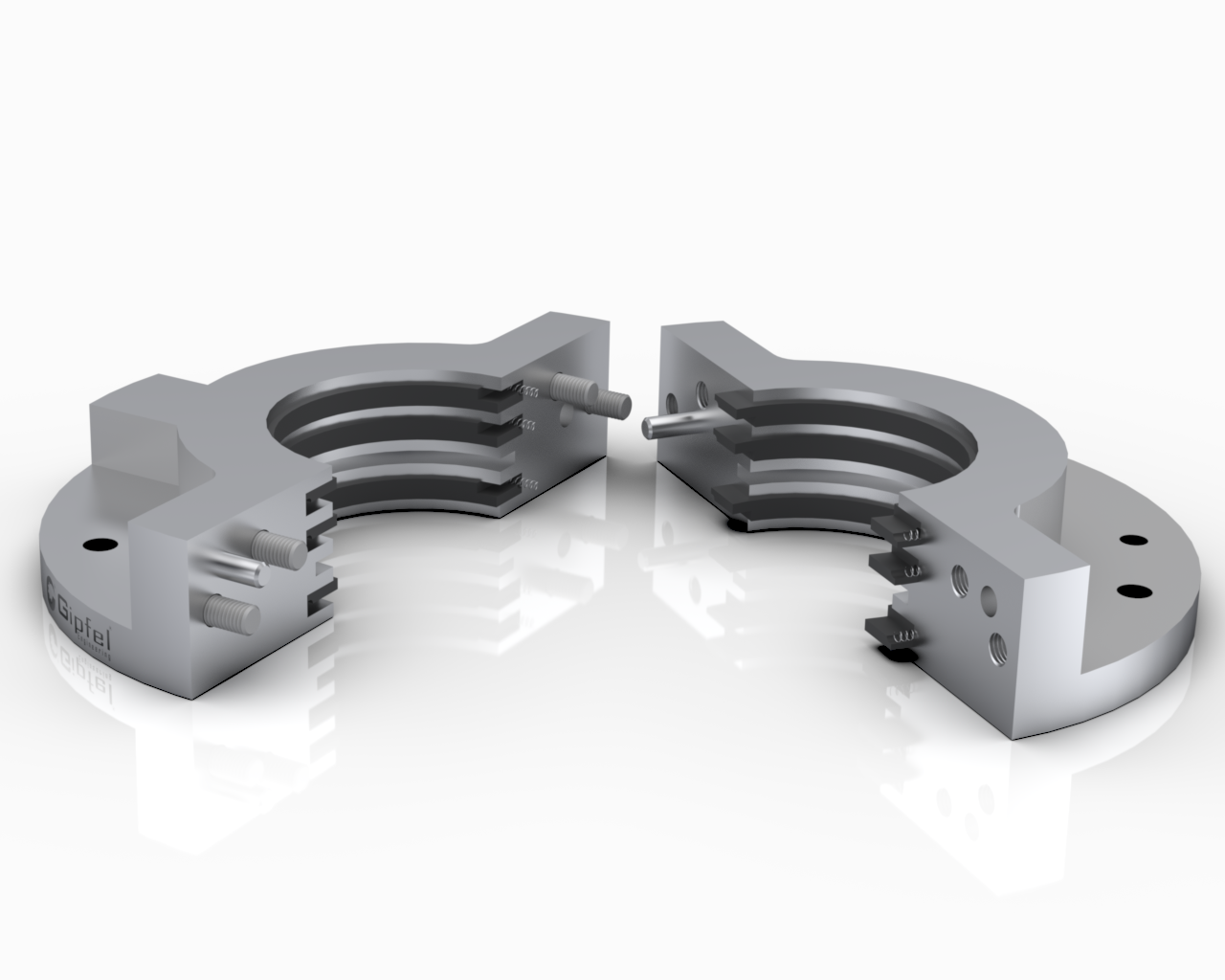
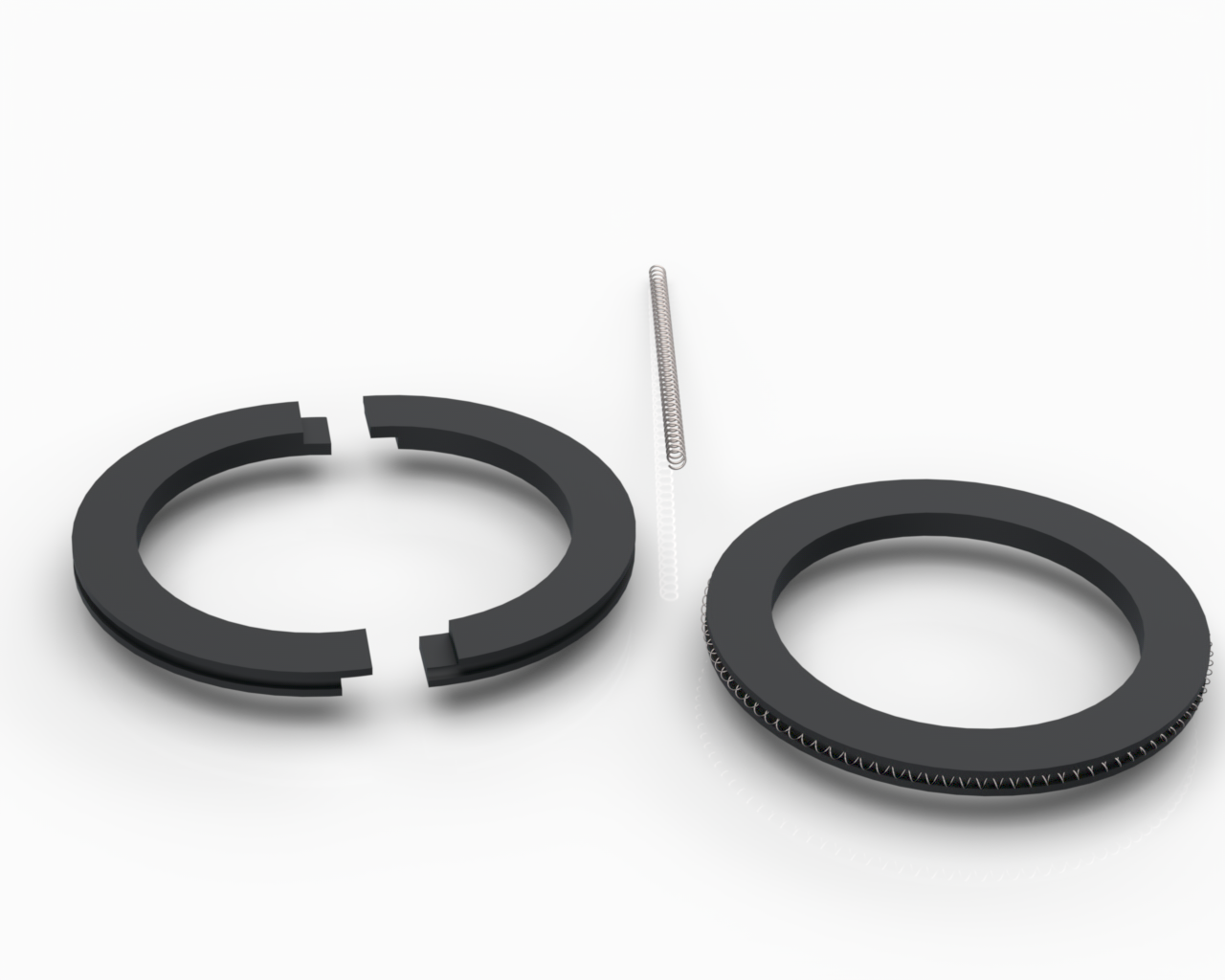
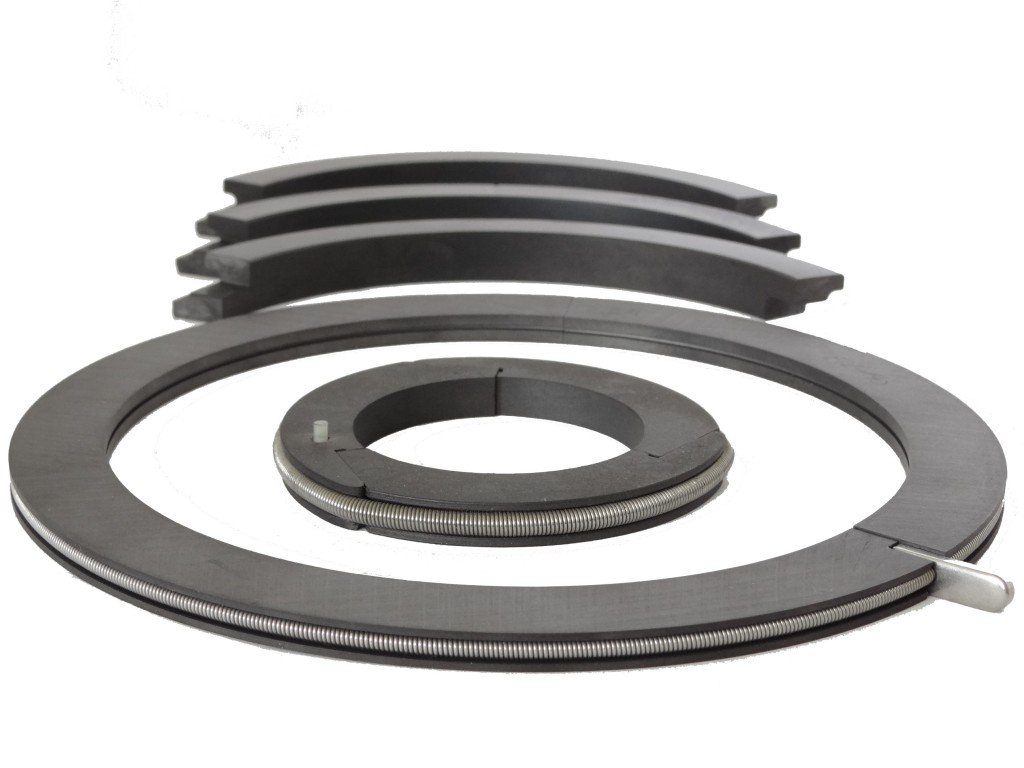
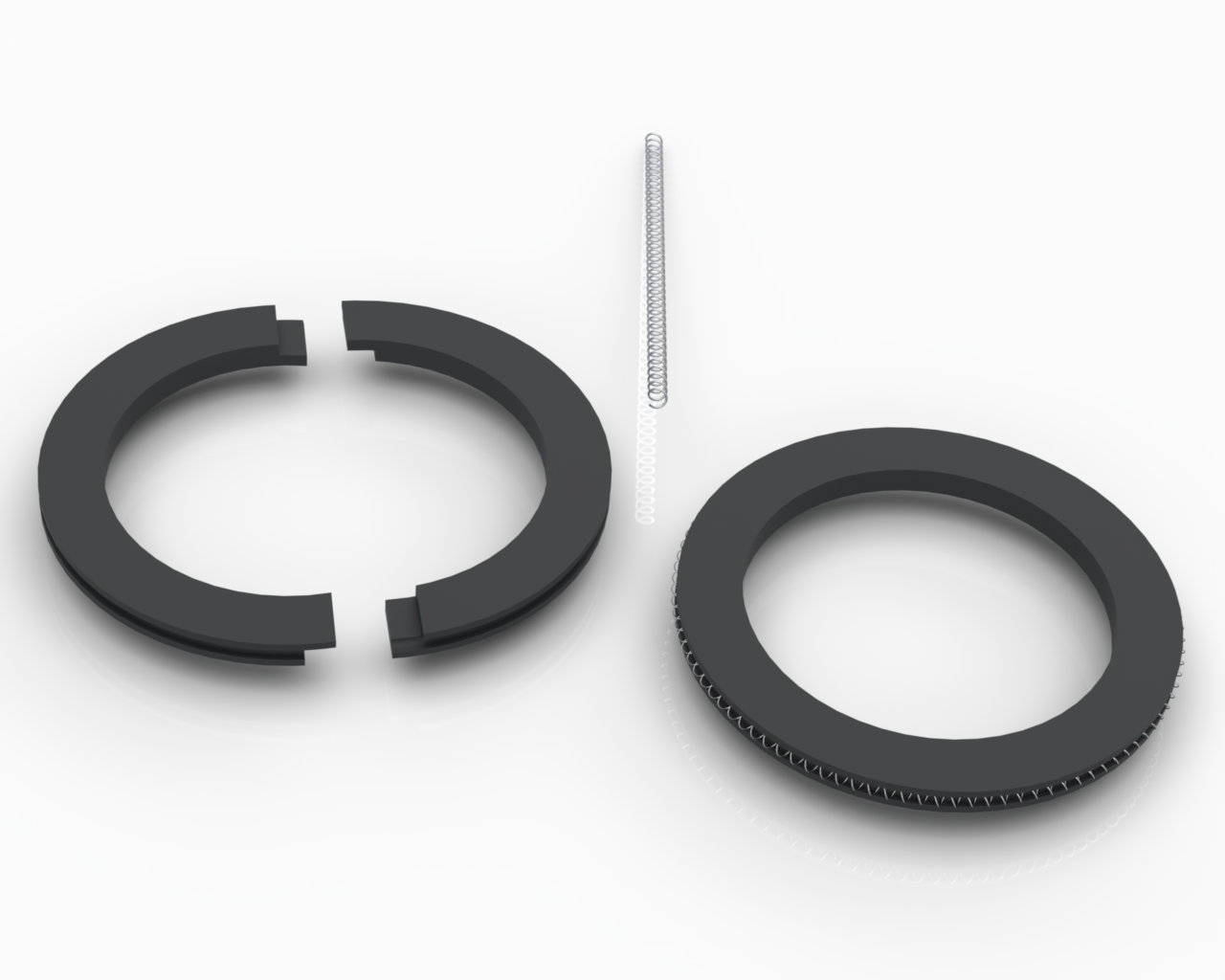
The ring is typically supplied in multiple matched segments held by a garter or retaining spring, allowing the carbon ring to “float” around the shaft while maintaining controlled clearance and throttling leakage across the gland.
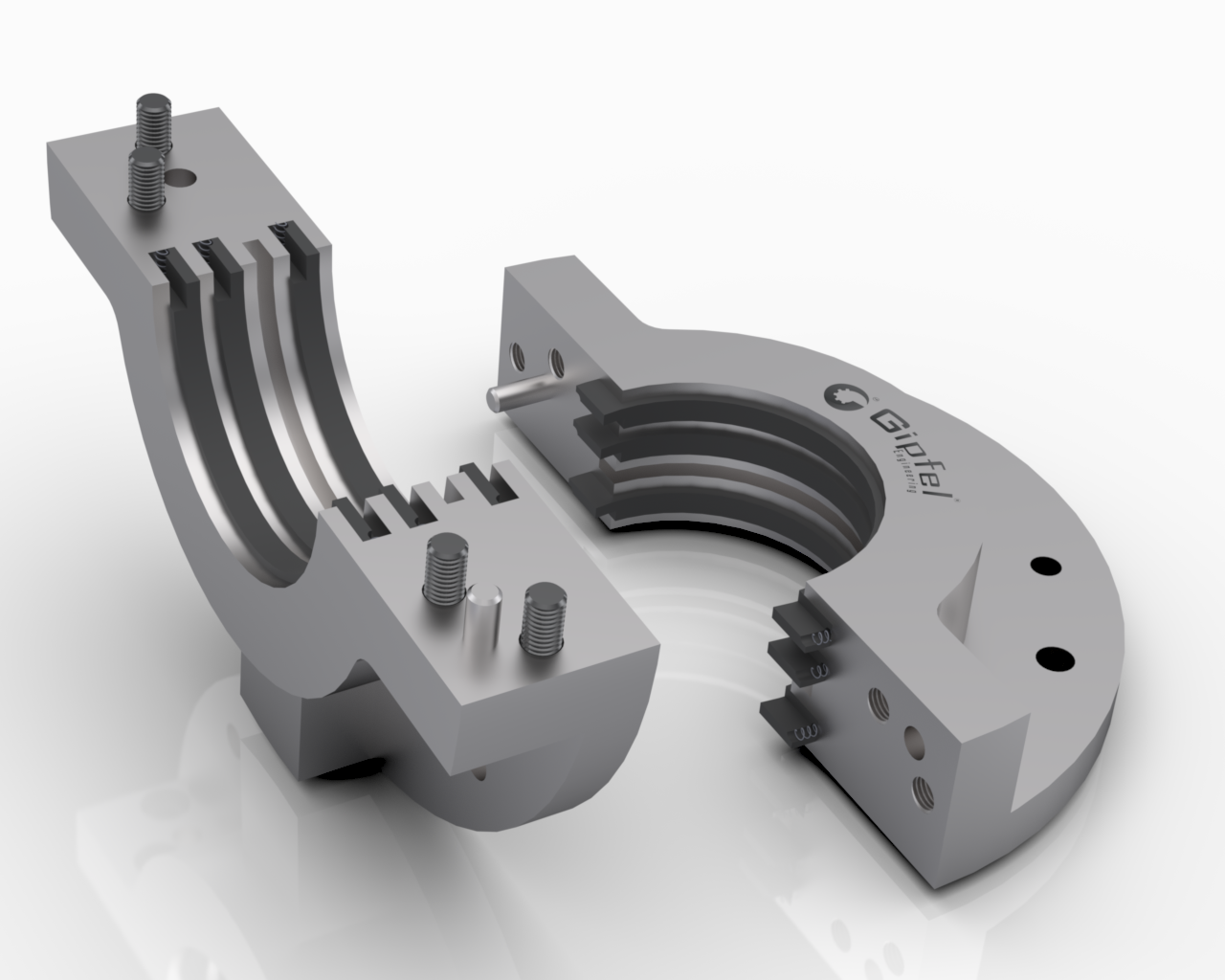
Carbon ring seals are widely used alongside labyrinth seals in industrial steam turbines, and their soft carbon construction allows close running clearance while reducing the risk of shaft damage during incidental rubbing.
Engineered for steam, gas, chemical vapor, water, oil, and air services, CS-1605 is suited to equipment where thermal movement, shaft runout, axial displacement, and dry or marginally lubricated operation make conventional metallic or elastomeric sealing less suitable. Carbon gland rings are extensively used in steam turbines as high-pressure and vacuum gland seals, and also in compressors, blowers, fans, and similar industrial gas sealing applications. The uploaded CS-1605 reference data identifies high-purity carbon graphite/electrographite construction, segmented configurations, broad shaft-size coverage, and use across steam turbines, pumps, blowers, marine vessels, oil & gas, petroleum, pharmaceutical, food processing, automobile, and textile industries.
Technical Key Features
- Self-lubricating carbon graphite develops a low-friction transfer film, supporting dry-running steam, gas, and vapor service.
- Serviceable split configuration enables maintenance in turbine glands and large rotating equipment without full shaft removal.
- Matched segment construction with butt or overlap joints improves circularity, leakage control, and interchangeability.
- Garter spring retention maintains segment assembly and radial conformity during start-up, shutdown, and transient operation.
- High-temperature material options include electrographite, impregnated carbon graphite, and high-temperature spring alloys.
- Segmented floating design accommodates shaft movement, thermal growth, and minor radial displacement without rigid shaft contact.
- Shaft-friendly sealing action allows close clearance while preferentially wearing the carbon rather than the shaft during incidental contact.
Service Overview
| Parameter | Value |
| Equipment | Steam turbines, pumps, blowers, compressors, turbomachinery, rotating/reciprocating shafts, marine shaft glands |
| Fluid | Steam, air, gas, chemical vapor, water, oil, process gas |
| Service Nature | Dry-running, vapor sealing, low-leakage shaft gland service, high-temperature rotating equipment |
| Operating Mode | Continuous or cyclic operation with thermal expansion, shaft runout, and pressure transients |
Specifications
| Item | Min | Max | Typical/Notes |
| Size | 12 mm (0.500”) shaft dia. | 300 mm (12.000”) shaft dia. | Larger segmented OD designs available on request; uploaded reference notes standard 0.625”–8.000” and custom large OD segmented designs. |
| Pressure | Vacuum | 20 bars (290 psi) system-dependent | For steam turbine glands, pressure drop is normally staged across multiple rings; Morgan notes approximately 2.1 bar (30 psi) per carbon gland ring as a typical design basis. |
| Temp | -120°C (-184°F) | +500°C (+932°F) standard carbon graphite | Electrographite / special grades may be selected for higher-temperature service; uploaded data notes higher graphite capability, subject to grade verification. |
| Speed | Application- dependent | 3600 rpm | Steam turbine applications should be verified by shaft diameter, RPM, clearance, and pressure drop; external turbine references note that carbon ring speed limits are application-sensitive. |
Materials
| Component | Standard Material | Optional Material | Comment |
| Ring Segments | High-purity carbon graphite/electrographite | Resin-impregnated graphite, antimony-impregnated graphite, special electrographite grades | Grade selected by temperature, chemical exposure, oxidation risk, and shaft material. |
| Retaining / Garter Spring | Stainless steel | Inconel, Hastelloy | ROC Carbon notes Inconel retaining springs for service above 700°F (371°C). |
| Segment Stops / Anti-Rotation Parts | Stainless steel | Bronze or engineered alloy | Prevents segment rotation and maintains gland geometry. |
| Joint Geometry | Light-tight butt joint | Overlap joint / custom-matched joint | Segment joints are typically matched and marked for sealing accuracy. |
Applications
- Rotating and reciprocating shaft sealing systems.
- Pumps, blowers, compressors, fans, and turbomachinery.
- Oil, gas, petroleum, petrochemical, and refinery equipment.
- Steam, gas, chemical vapor, water, oil, and air sealing duties.
- Pharmaceutical, food processing, automobile, and textile machinery.
- Steam turbine shaft-end glands, HP/LP glands, and vacuum sealing glands.
- Glands requiring split, replaceable, close-clearance carbon sealing elements.
- Marine shaft sealing for tankers, container vessels, icebreakers, and auxiliary machinery.
Operating Limits
| Parameter | Value |
| Pressure | Vacuum to 20 bars (290 psi), subject to staged gland design; typical steam gland ΔP per ring should be verified. |
| Temp | -120°C to +500°C (-184°F to +932°F) standard; higher electrographite grades on request. |
| Speed | Up to 3600 rpm, application-dependent. |
| Size Range | 12 mm to 300 mm (0.500” to 12.000”) shaft diameter; custom segmented sizes on request. |
Engineering note
CS-1605 operating limits should be finalized against shaft diameter, RPM, steam/gas pressure differential, gland housing clearance, shaft finish, and selected carbon grade. Values above are compiled from the uploaded CS-1605 reference data and cross-checked against current carbon segmented seal ring references; final selection should be validated for each machine duty before production release.

Reviews
There are no reviews yet.