
Description;
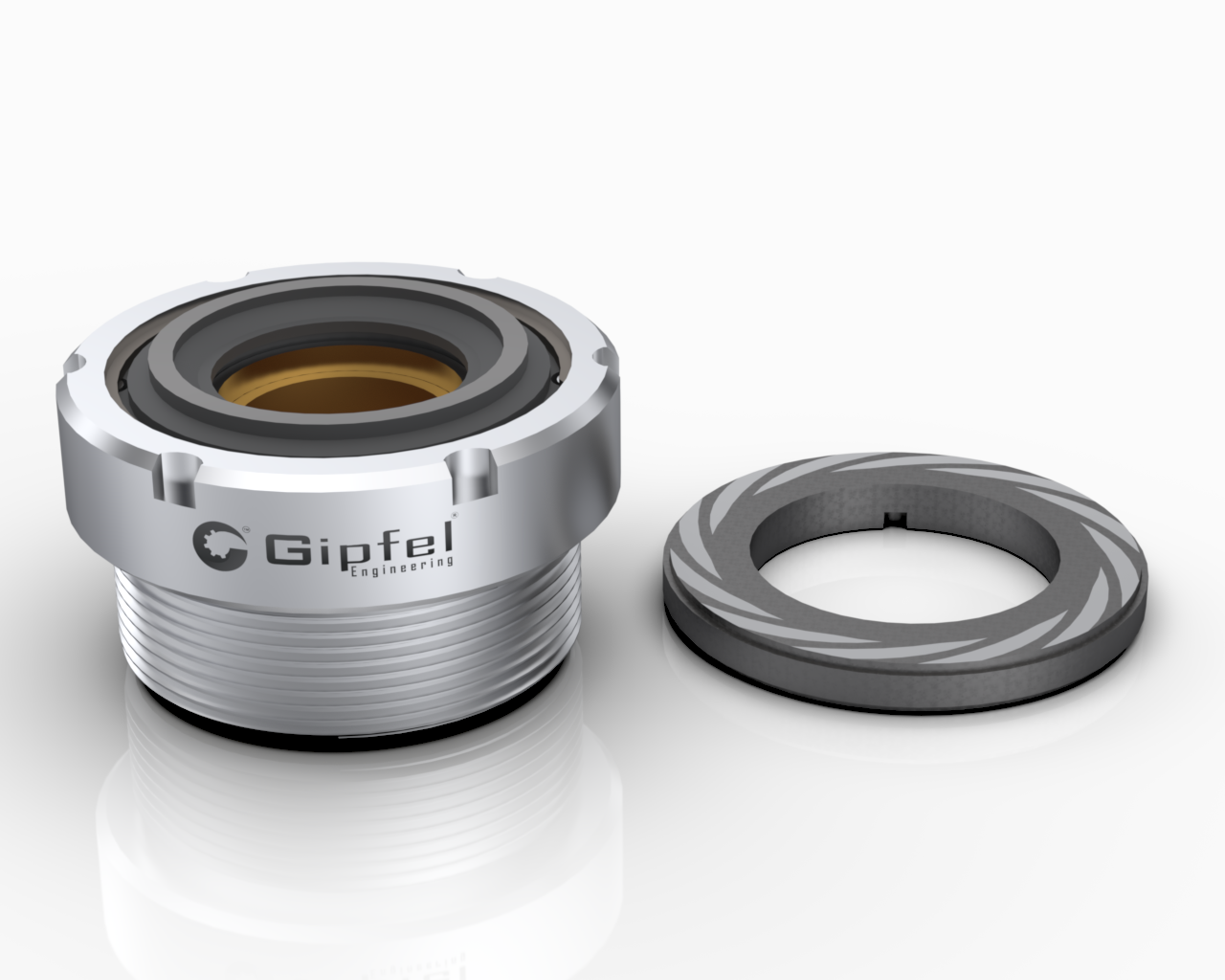
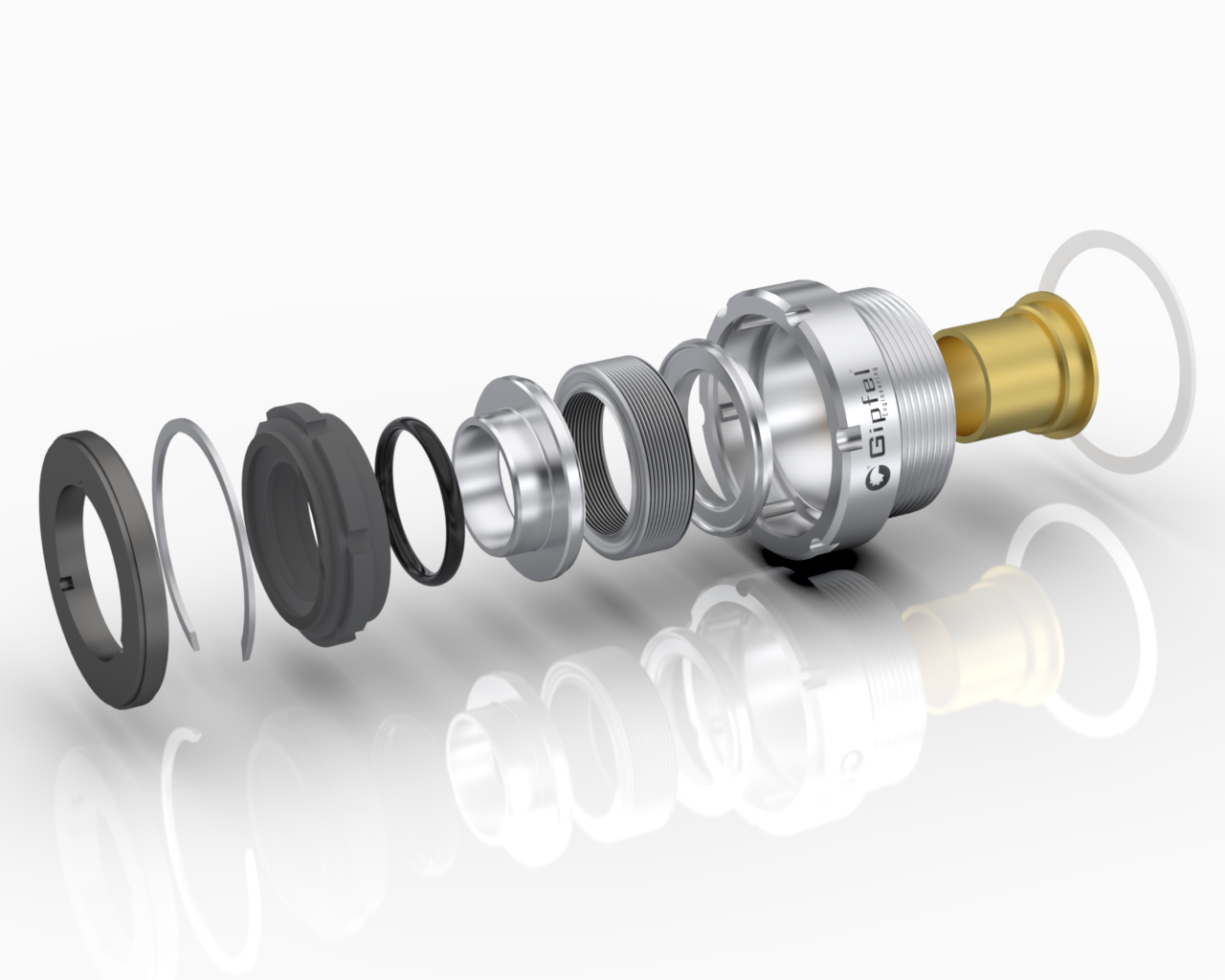
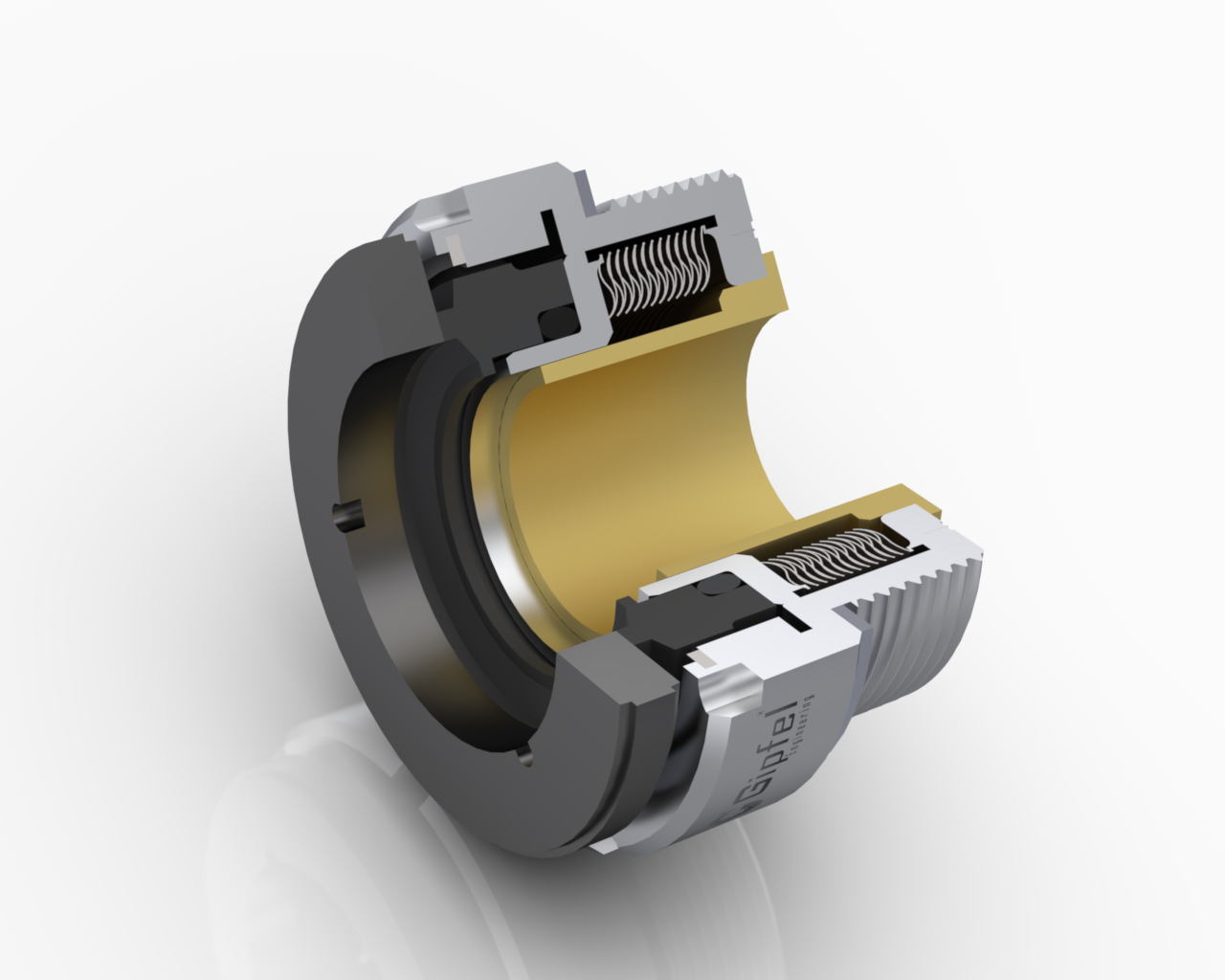
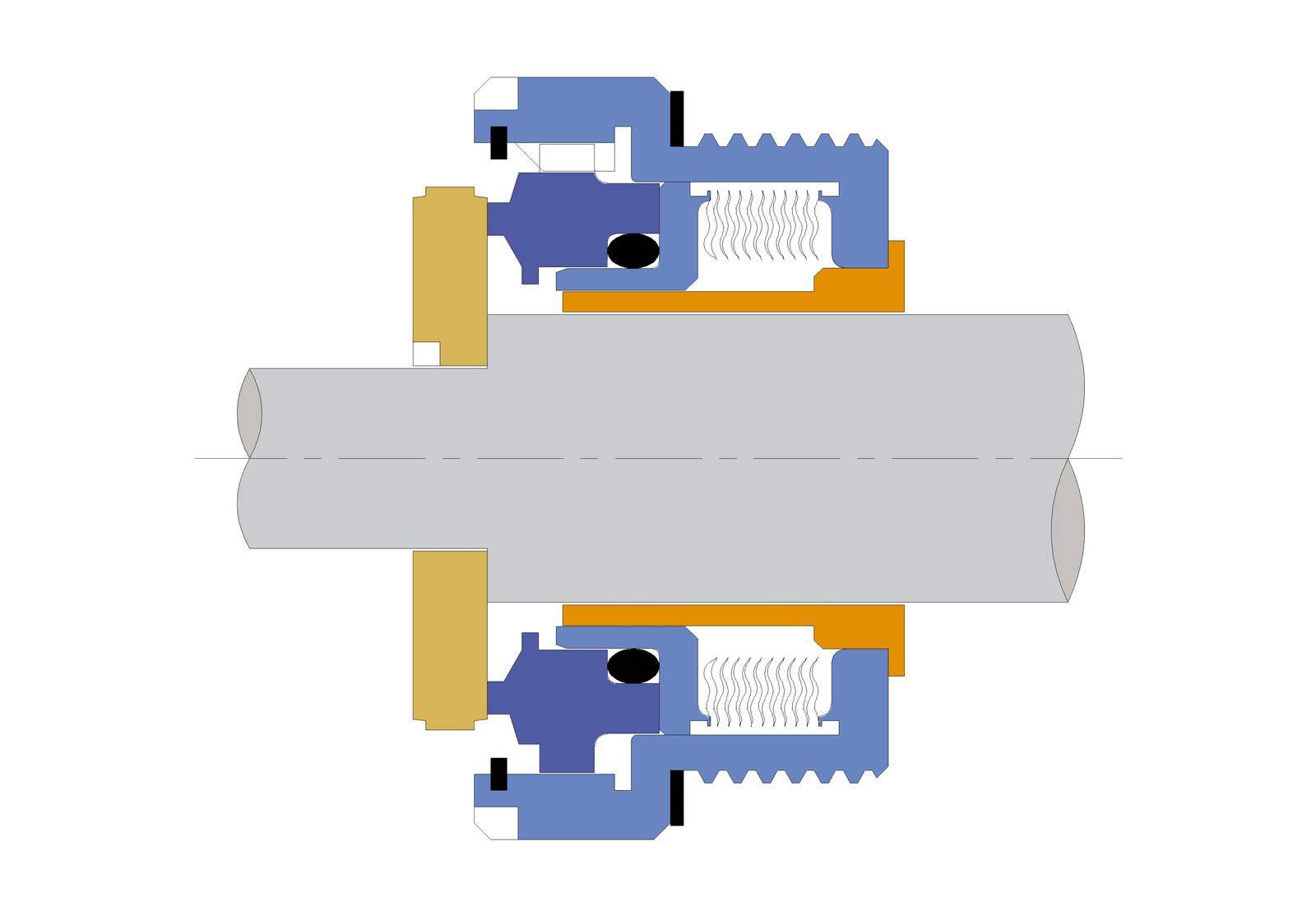
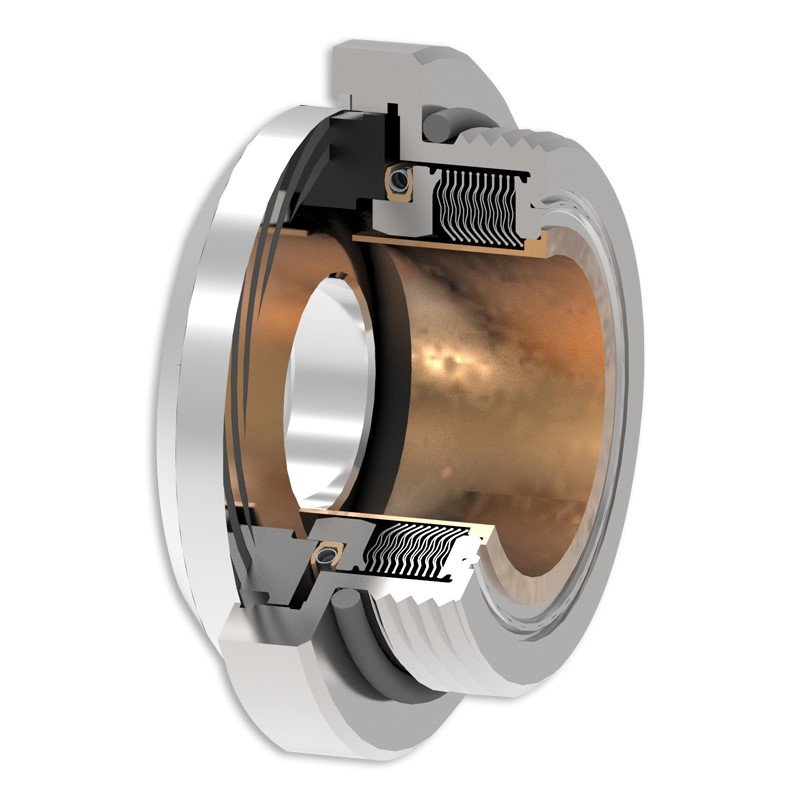
The CS790 Cryogenic Seal is a precision‑engineered mechanical seal designed for ultra‑low temperature duties involving liquefied gases, cryogenic refrigerants, and volatile light hydrocarbons. Its balanced seal geometry, low‑distortion face arrangement, and cryogenic‑compatible secondary sealing system are optimized to maintain controlled face loading during rapid thermal contraction, pressure cycling, and frequent start‑stop operation.
Developed for demanding cryogenic rotating equipment, the CS790 is suitable for LNG supply chains, air separation units (ASU), submerged motor pumps, petrochemical refrigeration circuits, aerospace systems, and specialty cryogenic installations. The design supports stable sealing performance in services where conventional elastomer‑based seals risk losing flexibility, hardening, cracking, or leaking due to extreme temperature gradients and thermal stress.
Cryogenic mechanical seals are advanced sealing solutions, typically supplied as cartridge or semi‑cartridge units, engineered for reliable operation in extreme low‑temperature environments down to –196 °C (77 K), where standard process seals fail due to thermal instability, material embrittlement, and media vaporization. The CS790 is specifically optimized for liquefied gases such as LNG, LN₂, LOX, LAr, ethylene, and propylene, addressing the unique challenges of severe thermal gradients, material contraction, boundary‑lubrication conditions, transient dry‑running, and flashing during cooldown, startup, shutdown, and thermal cycling.
Technical & performance key features & design highlights;
- Precision‑lapped seal faces for controlled, low‑level leakage performance in low‑viscosity liquefied gas service, even under boundary‑lubrication conditions.
- Hydraulically balanced seal design for reduced face loading under pressure fluctuations and high differential pressures, helping to control friction, heat, and distortion.
- Cartridge or engineered component configuration available for both centrifugal and submerged cryogenic pumps, supporting interchangeability and ease of integration.
- Suitable for flammable, volatile, inert, and oxidizing cryogenic fluids when matched with appropriate material selection and proper cleaning and oxygen‑clean procedures.
- Low thermal‑distortion face geometry for stable operation during cooldown and warm‑up cycles, minimizing warping and leakage caused by rapid thermal contraction.
- Optional double‑seal configuration for hazardous, toxic, flammable, or emission‑sensitive cryogen duties, incorporating a barrier fluid or gas system to enhance containment and safety.
- Hydraulically balanced design: Optimized balance ratio reduces closing forces and frictional heat at high differential pressures and low PV limits, helping to maintain face flatness and extending service life in cryogenic services.
- Cryogenic‑compatible secondary sealing using materials such as PTFE, PCTFE, flexible graphite, and other application‑specific low‑temperature elastomers or polymers, selected for flexibility and chemical resistance at ultra‑low temperatures.
- Cartridge construction: Factory‑preassembled and pre‑set units ensure concentricity, axial alignment, and runout control, simplifying installation and improving repeatability; especially beneficial for vacuum‑jacketed or insulated cryogenic pumps.
- Bidirectional rotation capability: Symmetric drive and face features allow reliable operation in both clockwise and counter‑clockwise rotation, ideal for vertical and horizontal cryogenic pumps that may experience transient reverse rotation.
- Intermittent dry‑running tolerance: Advanced face coatings and topography are engineered to withstand brief vapour‑ or dry‑running conditions during priming, evacuation, and cooldown within specified limits, mitigating startup‑related failure risks.
- Safety‑ and emission‑critical installations: Engineered for near‑zero leakage targets, operation in hazardous areas, and installations with limited maintenance access, supporting high availability and compliance with modern safety and environmental standards.
- Outboard‑isolated spring assembly: Energizing springs are located in a warmer‑zone environment to preserve elasticity, force consistency, and material integrity across repeated cooldown and warm‑up cycles, avoiding embrittlement, clogging, or spring failure.
- Vacuum‑jacketed‑ and safety‑compatible design: Gland provisions support purge/vent ports, nitrogen barriers, icing shields, and oxygen‑clean configurations to suit insulated equipment and oxidizing‑gas services, preventing moisture ingress and ice formation.
- Extended thermal‑transition chamber: A controlled heat‑leak pathway and standoff design manage thermal gradients, keeping the seal faces above flashing and icing thresholds while minimizing bulk‑fluid warming, thus preventing vapour lock, ice accretion, and gland bridging.
- Ultra‑low leakage and emissions control: A combination of thermal‑management architecture, low‑distortion materials, and precision‑engineered topography delivers stable, minimal leakage rates under cryogenic distortion, meeting the requirements of safety‑critical and environmentally sensitive plants.
- Cryogenic‑optimized face geometry: Precision‑lapped faces (typically within tight flatness tolerances such as <0.0002″) with micro‑lift profiles and anti‑distortion geometries maintain thin‑film lubrication in low‑viscosity boundary regimes, preventing scuffing, wear, and instability during thermal cycling and transient conditions.
Service Overview;
| Parameter | Value |
| Equipment | Cryogenic centrifugal pumps, submerged motor pumps, transfer pumps, refrigerant pumps, aerospace cryogenic systems |
| Fluid | LNG, liquid nitrogen, liquid oxygen, liquid argon, liquid ethylene, liquid methane, refrigerants, speciality cryogens |
| Service Nature | Ultra-low temperature, low viscosity, volatile, flammable, inert, or oxidizing cryogenic service |
| Operating Mode | Continuous or intermittent operation with cooldown, thermal cycling, and pressure transients |
Specifications;
| Item | Min | Max | Typical/Notes |
| Size | 20 mm (0.750”) | 120 mm (4.750”) | Other sizes available on request |
| Pressure | Vacuum service | 25 bar (363 psi) | Higher pressure designs on request |
| Temp | -196°C (-321°F) | +120°C (+248°F) | Extended cryogenic designs to -253°C (-423°F) on request |
| Speed | — | 3,600 rpm | Higher speeds subject to PV value, pump design, and seal arrangement |
Materials;
| Component | Standard Material | Optional Material | Comment |
| Seal Faces | Carbon graphite vs silicon carbide | Silicon carbide vs silicon carbide, tungsten carbide | Selected for low-temperature stability, wear resistance, and fluid compatibility |
| Secondary Seals | PTFE / PCTFE | Flexible graphite, FFKM, special cryogenic polymer | Elastomer selection must be validated for minimum service temperature |
| Metal Parts | SS 316L | Inconel, Hastelloy, Monel, Duplex SS | Based on cryogen type, corrosion risk, and oxygen compatibility |
| Springs / Bellows | SS 316 / Hastelloy | Inconel X-750, AM350, engineered metal bellows | Selected for thermal fatigue resistance and low-temperature resilience |
Applications;
- Cryogenic centrifugal pumps and submerged motor pump assemblies.
- Aerospace propulsion, cryogenic test stands, and advanced energy systems.
- Medical, research, semiconductor, and speciality cryogenic process equipment.
- Air separation units handling liquid nitrogen, oxygen, argon, and industrial gases.
- LNG receiving terminals, regasification plants, and ship loading/unloading systems.
- Petrochemical refrigeration circuits using ethylene, methane, propane, and mixed refrigerants.
- Flammable or oxidizing cryogen transfer where material compatibility and clean assembly are critical.
Operating Limits;
| Parameter | Value |
| Pressure | Up to 25 bar (363 psi) |
| Temp | -196°C to +120°C (-321°F to +248°F); extended to -253°C (-423°F) on request |
| Speed | Up to 3,600 rpm |
| Size Range | 20 mm to 120 mm (0.750” to 4.750”) |
Engineering Note;
Operating limits and material selections above are inferred engineering defaults for cryogenic mechanical seal service. Final selection should be verified against the exact cryogen, oxygen-cleaning requirement, pump speed, shaft size, pressure, start-up sequence, and applicable site standards.


Reviews
There are no reviews yet.