
Product overview;
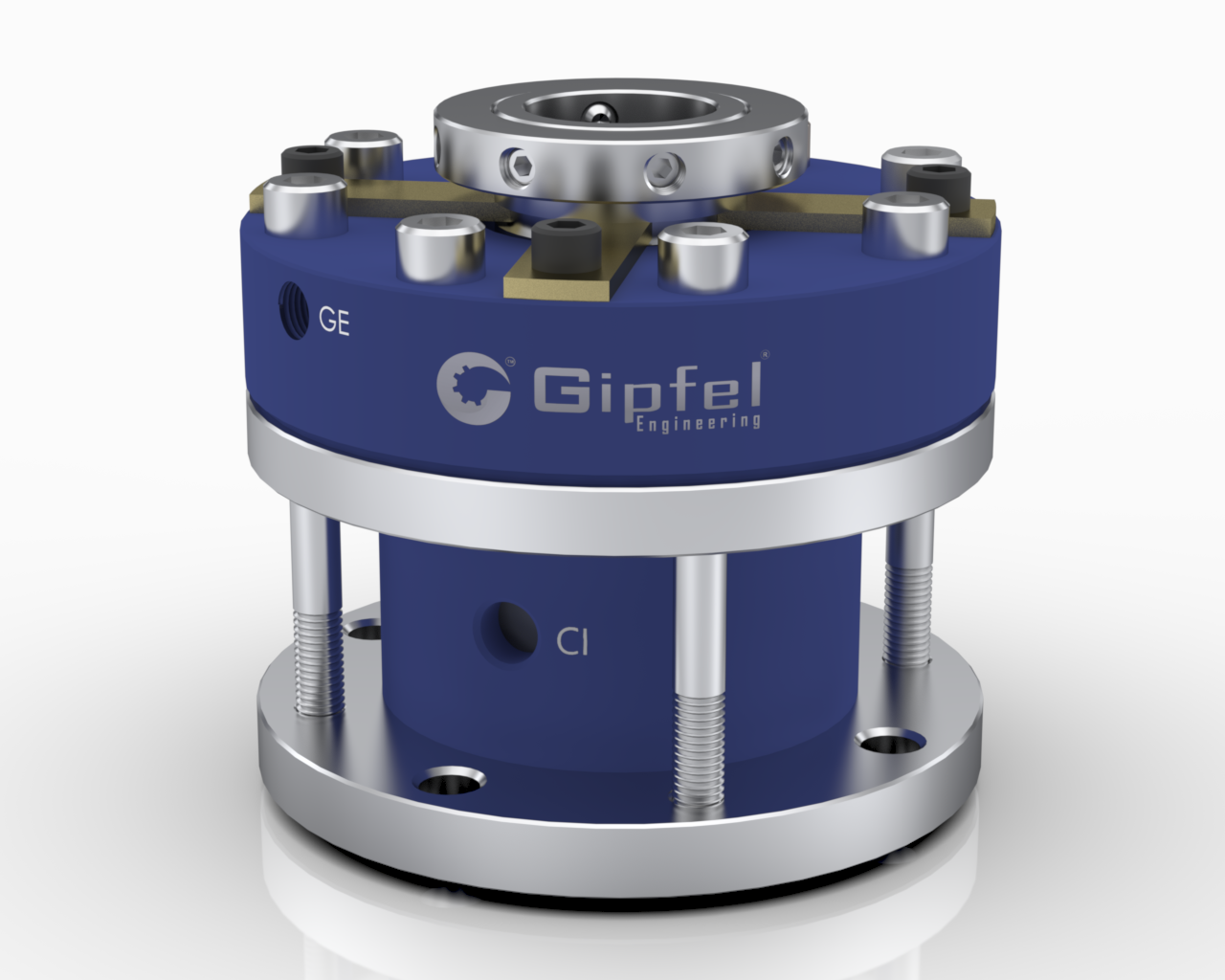
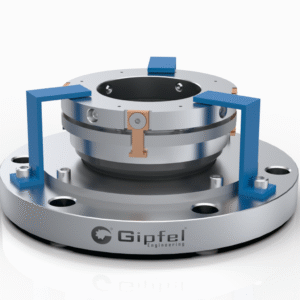
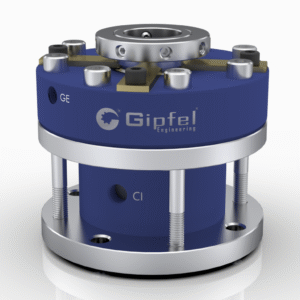
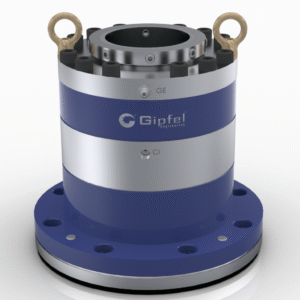
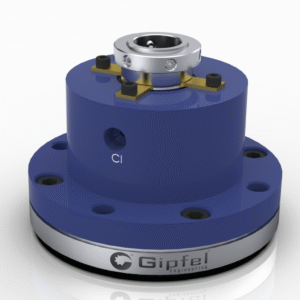
The ES925/ES930 Multi-Entry Single Mechanical Seal System is engineered for rotating equipment where conventional shaft sealing is challenged by high radial and axial shaft loads, vessel misalignment, thermal exposure, and restricted mounting space. Its integrated bearing assembly supports shaft stability near the sealing zone, reducing seal-face distortion caused by shaft deflection, while the cooling housing provides thermal control for process services involving elevated temperatures, viscous media, solvent systems, and polymerizing fluids.
Designed for top-entry, side-entry, and bottom-entry equipment, the ES925/ES930 is especially suited for glass-lined reactors used in pharmaceutical, chemical, and specialty process industries. The single mechanical seal configuration provides reliable containment for general chemical and process duties, while optional material combinations allow adaptation for corrosive, solvent-based, food-grade, abrasive, and moderately polymerizing applications.
This fully assembled and factory-tested seal system is intended for straightforward installation and dependable long-term service. The cooling jacket helps maintain seal integrity by regulating temperature in high-temperature or viscous media applications, and the design supports safe, non-reactive sealing in sensitive chemical processes where glass-lined equipment is required.
Technical key features;
- Bi-directional operation allows use in both clockwise and counterclockwise rotating equipment.
- Robust face-loading stability for equipment exposed to vibration, intermittent operation, and shaft deflection.
- Reverse-pressure capability at the inboard side supports applications with fluctuating or reverse pressure conditions.
- Multi-entry equipment compatibility for top-, side-, and bottom-entry agitators, mixers, reactors, and process vessels.
- Glass-lined reactor compatibility with mounting arrangements suitable for pharmaceutical and chemical reactor services.
- Balanced and unbalanced seal options are available to suit varying pressure conditions, product viscosities, and operational loads.
- Top-, side-, and bottom-entry suitability provides broad compatibility across equipment orientations and process configurations.
- Externally mounted design enables easy access for inspection, adjustment, and servicing without disturbing the process equipment.
- Cooling housing design helps control seal-chamber temperature in hot, viscous, solvent, or polymer-processing applications.
- Flexible materials of construction for acids, solvents, resins, paints, coatings, polymers, food-grade fluids, and specialty chemicals.
- Single mechanical seal configuration for compact, cost-effective sealing in non-critical to moderately demanding process duties.
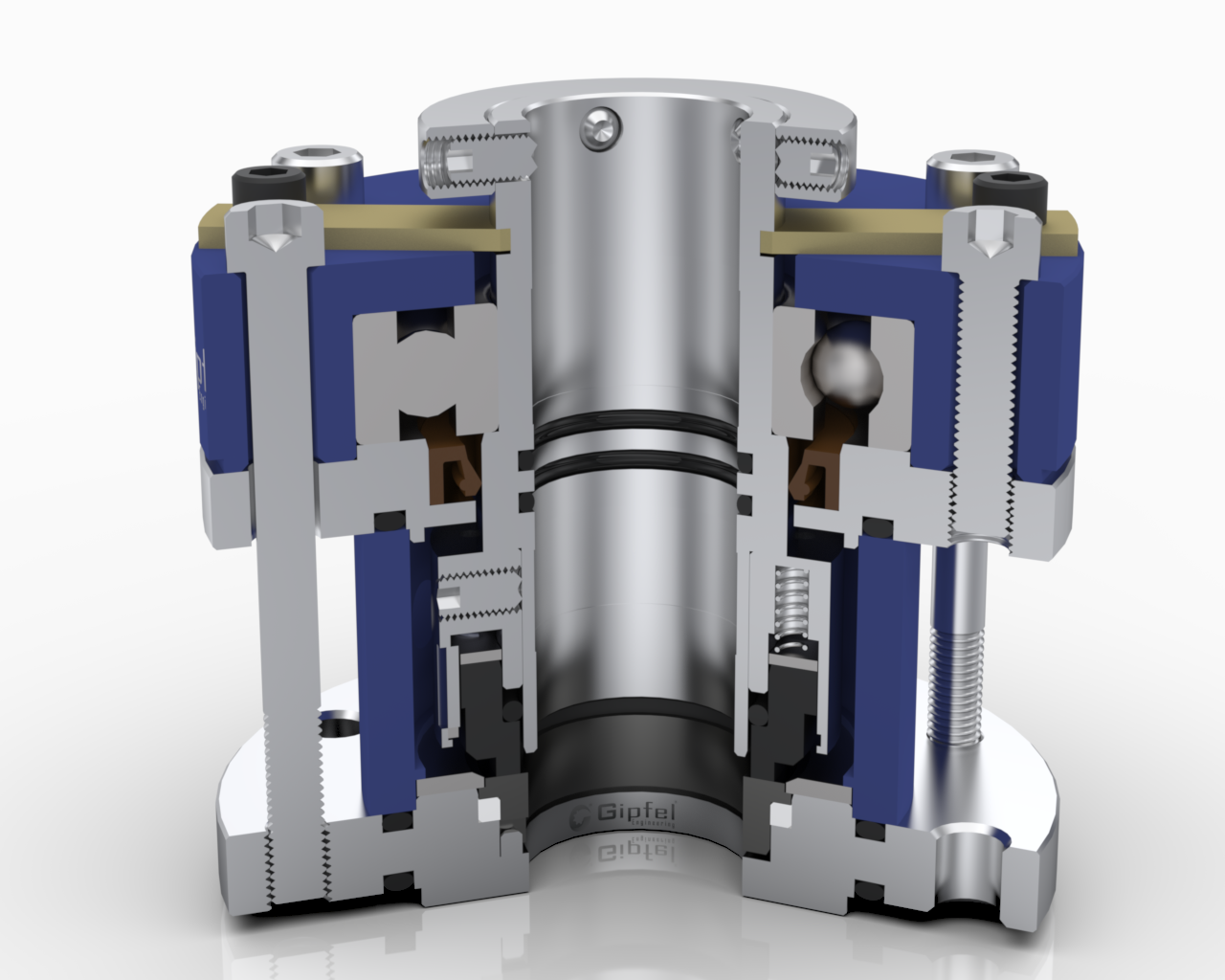
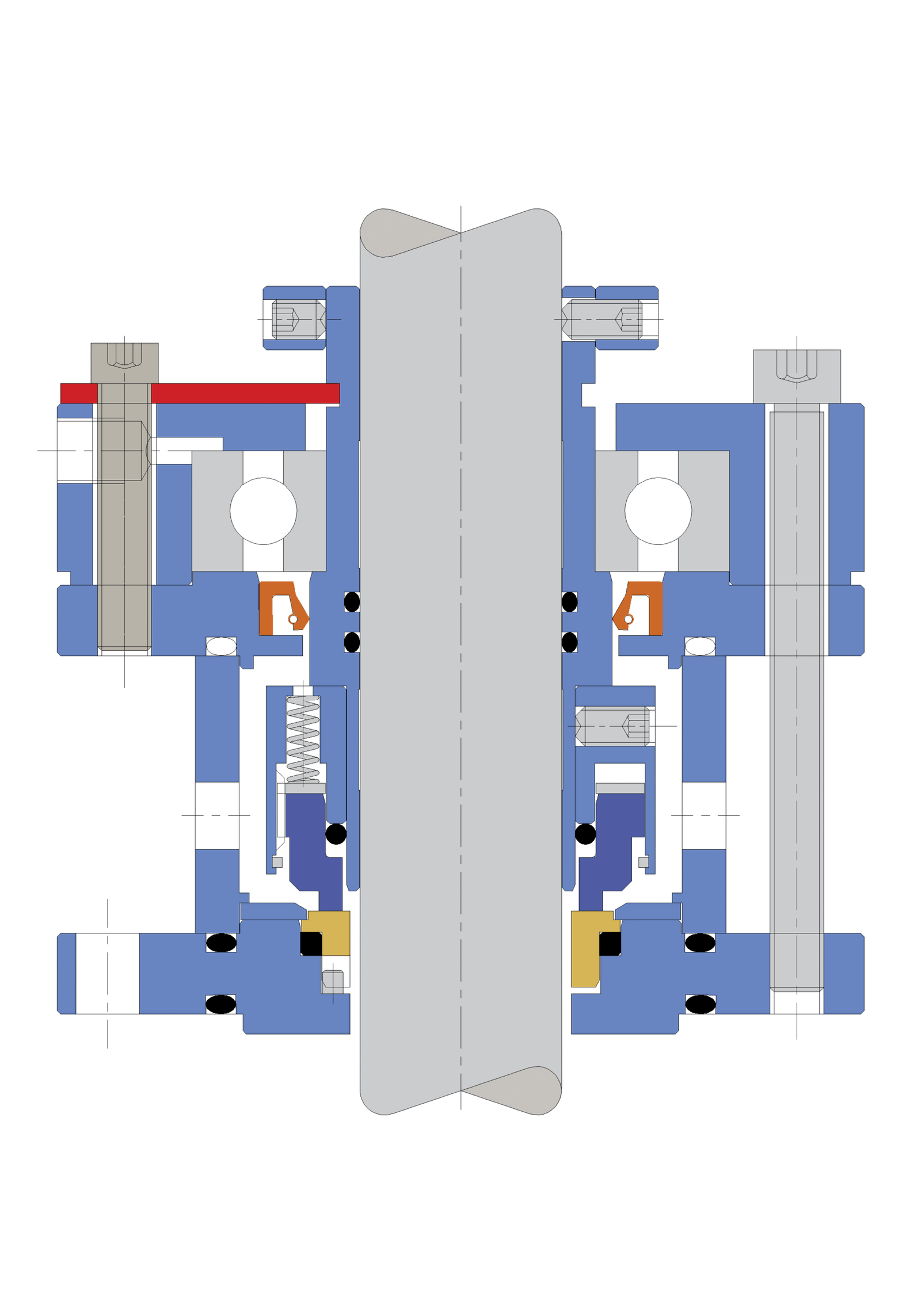
- Integrated bearing assembly improves shaft support, minimizes radial movement, and protects seal faces under high shaft-load conditions.
- Optional non-metallic wetted components help reduce product contamination and corrosion in sensitive or aggressive chemical applications.
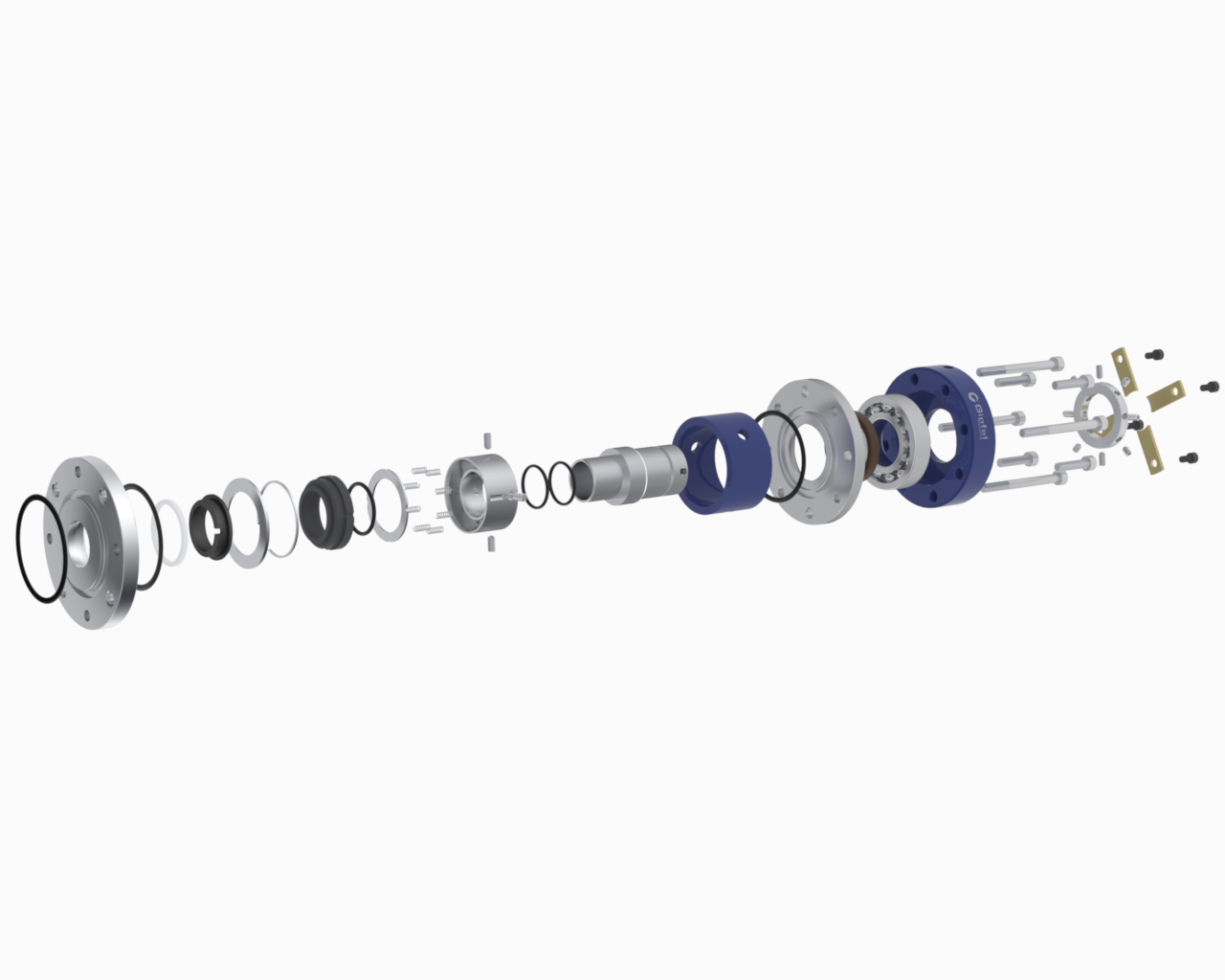
- Cartridge construction simplifies installation, eliminates setting errors, and reduces downtime during maintenance or seal replacement.
- Cooling and lubrication housing enhances heat dissipation and helps maintain proper lubrication of seal faces, reducing wear and extending service life.
- Rotary multiple-spring mechanism provides uniform face loading, accommodates shaft deflection, and maintains consistent sealing performance over time.
- Monitoring-ready design supports optional integration of temperature, pressure, or flush monitoring devices where required by application safety standards.
- Glass-lined reactor compatibility is supported by chemically compatible, non-damaging materials for safe use in enamel-lined vessels handling corrosive or pure media.
- Custom-engineered solutions are available with a wide range of materials, face combinations, and dimensional configurations to meet specific process requirements.
- Factory-assembled and pressure-tested unit supplied as a pre-assembled cartridge to ensure quality, dimensional accuracy, and leak-tight performance from installation.
Why It Is Suitable for Bottom Entry?
- Integrated Bearing Assembly:
- Bottom-entry shafts are vertically mounted and often overhung, which can cause radial and axial shaft movement.
- The integrated bearing in the ES925 / ES930 stabilizes the shaft and ensures concentric seal face alignment, which is critical in bottom-entry setups.
- Lubricating Cooling Housing:
- Bottom-entry seals are prone to dry running due to fluid gravity not always reaching the seal faces.
- A built-in cooling and lubrication jacket ensures continuous face lubrication, preventing overheating and excessive wear.
- Cartridge Construction:
- Simplifies installation in tight or vertical bottom-entry spaces where component seals are difficult to align correctly.
- Ensures pre-set compression and minimal installation error, which is important in difficult-to-access bottom-entry seal housings.
- Glass-Lined Reactor Compatibility:
- Many bottom-entry applications are used in glass-lined reactors for corrosive or pharmaceutical processes.
- The ES925 / ES930 is designed to interface safely with these sensitive surfaces using non-reactive, chemically compatible materials.
Service Overview;
| Parameter | Value |
| Equipment | Glass-lined reactors, agitators, mixers, polymerization vessels, process reactors, top-entry drives, side-entry drives, bottom-entry equipment |
| Fluid | Solvents, resins, polymers, paints, coatings, pharmaceutical intermediates, bulk drugs, specialty chemicals, food-grade liquids, petrochemical fluids |
| Service Nature | Corrosive, solvent-based, viscous, polymerizing, temperature-sensitive, high shaft-load, intermittent or continuous process service |
| Operating Mode | Top, side, or bottom entry rotating equipment with bearing-supported single mechanical seal and cooling housing |
Specifications;
| Item | Min | Max | Typical/Notes |
| Size | 20 mm (0.750”) | 300 mm (12.000”) | Larger sizes on request; final size to match shaft/sleeve design |
| Pressure | — | 12 bars
(174 psi) |
Typical reactor and vessel sealing range; higher pressure on request |
| Temperature | -20°C (-4°F) | +200°C (+392°F) | With suitable elastomer and cooling arrangement; higher limits require engineering review |
| Speed | — | 150 rpm | Typical agitator/mixer duty; verify against shaft size, bearing span, and seal balance |
Materials;
| Component | Standard Material | Optional Material | Comment |
| Seal Faces | Carbon vs Silicon Carbide | SiC vs SiC, Tungsten Carbide vs Tungsten Carbide | Face pairing selected according to viscosity, solids, lubricity, and chemical compatibility |
| Elastomers | FKM / Viton | EPDM, PTFE, FEP-encapsulated FKM, Kalrez / FFKM | Selection depends on solvents, acids, temperature, and pharmaceutical compatibility |
| Metal Parts | SS 316 / SS 316L | Hastelloy C, Alloy 20, Duplex SS, Titanium | For corrosive chemical, pharmaceutical, petrochemical, and specialty process fluids |
| Bearing / Housing Assembly | MS / SS 304 / SS 316 with suitable bearing-grade components | Special metallurgy or coated components | Designed to stabilize shaft loads near the sealing zone |
| Cooling Housing | MS / SS 304 / SS 316 / SS 316L | Hastelloy C, Alloy 20, special alloys | Cooling medium and metallurgy selected according to process temperature and corrosion severity |
Applications;
- Bulk drug and API manufacturing reactors.
- Pulp and paper chemical preparation systems.
- Plastics, resins, and polymerization process vessels.
- Paints, coatings, pigments, and adhesive manufacturing equipment.
- Petrochemical reactors, solvent-processing vessels, and refinery units.
- Glass-lined reactors in pharmaceutical and chemical processing plants.
- Electronic epoxy encapsulation and specialty resin handling equipment.
- Top-entry, side-entry, and bottom-entry agitators subjected to high shaft loads.
- Specialty chemical handling where shaft support and seal chamber cooling are required.
- Food and beverage processing vessels requiring controlled sealing and material compatibility.
Operating Limits;
| Parameter | Value |
| Pressure | Up to 12 bars (174 psi) |
| Temperature | -20°C to +200°C (-4°F to +392°F) |
| Speed | Up to 150 rpm |
| Size Range | 20 mm to 300 mm (0.750” to 12.000”) |
Engineering verification note;
Operating limits are inferred for a heavy-duty single mechanical seal system with bearing assembly and cooling housing. Final limits should be verified against ES925/ES930 GA drawings, seal chamber dimensions, process fluid compatibility, bearing load calculations, and cooling-housing duty conditions.
Reviews
There are no reviews yet.