
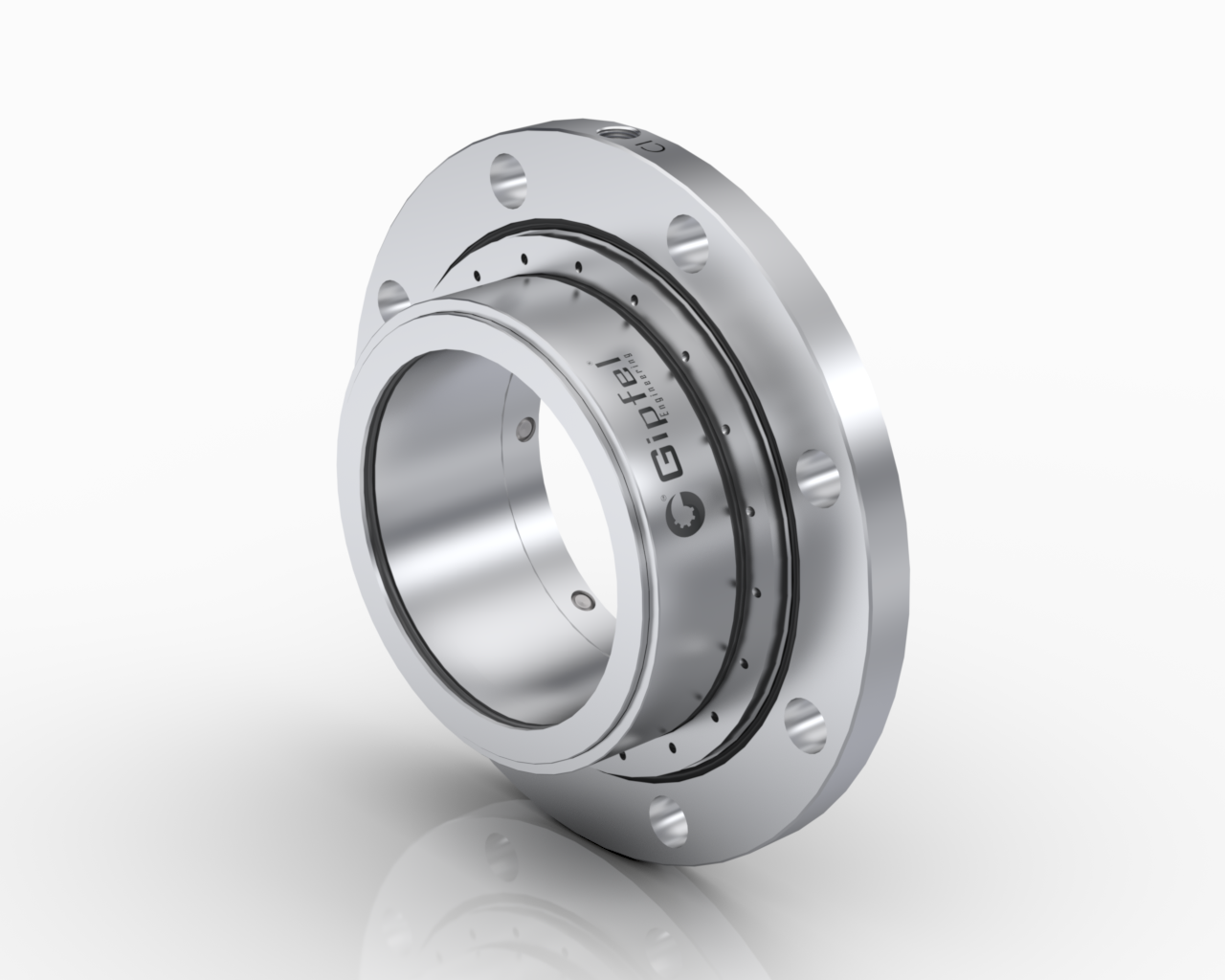
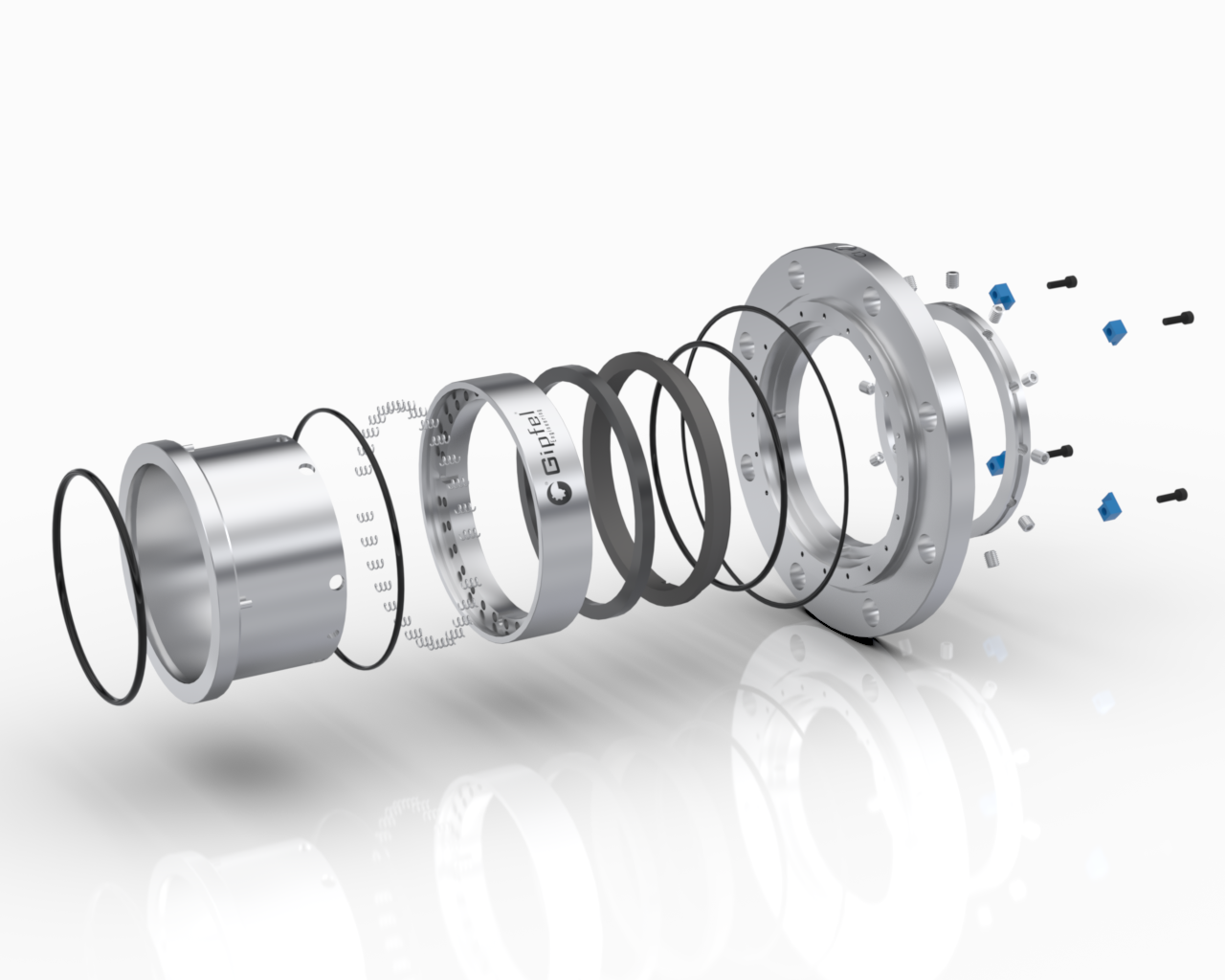
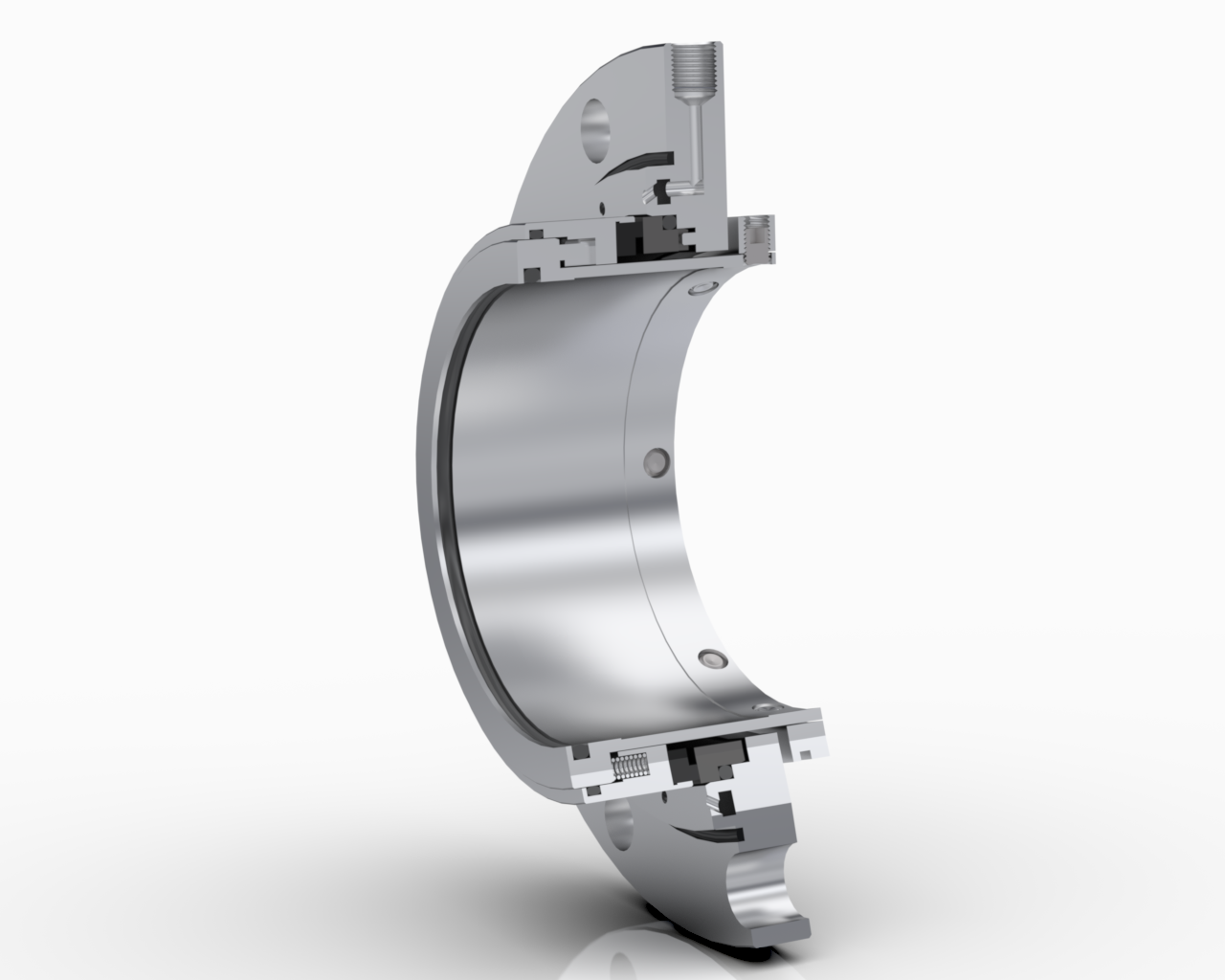
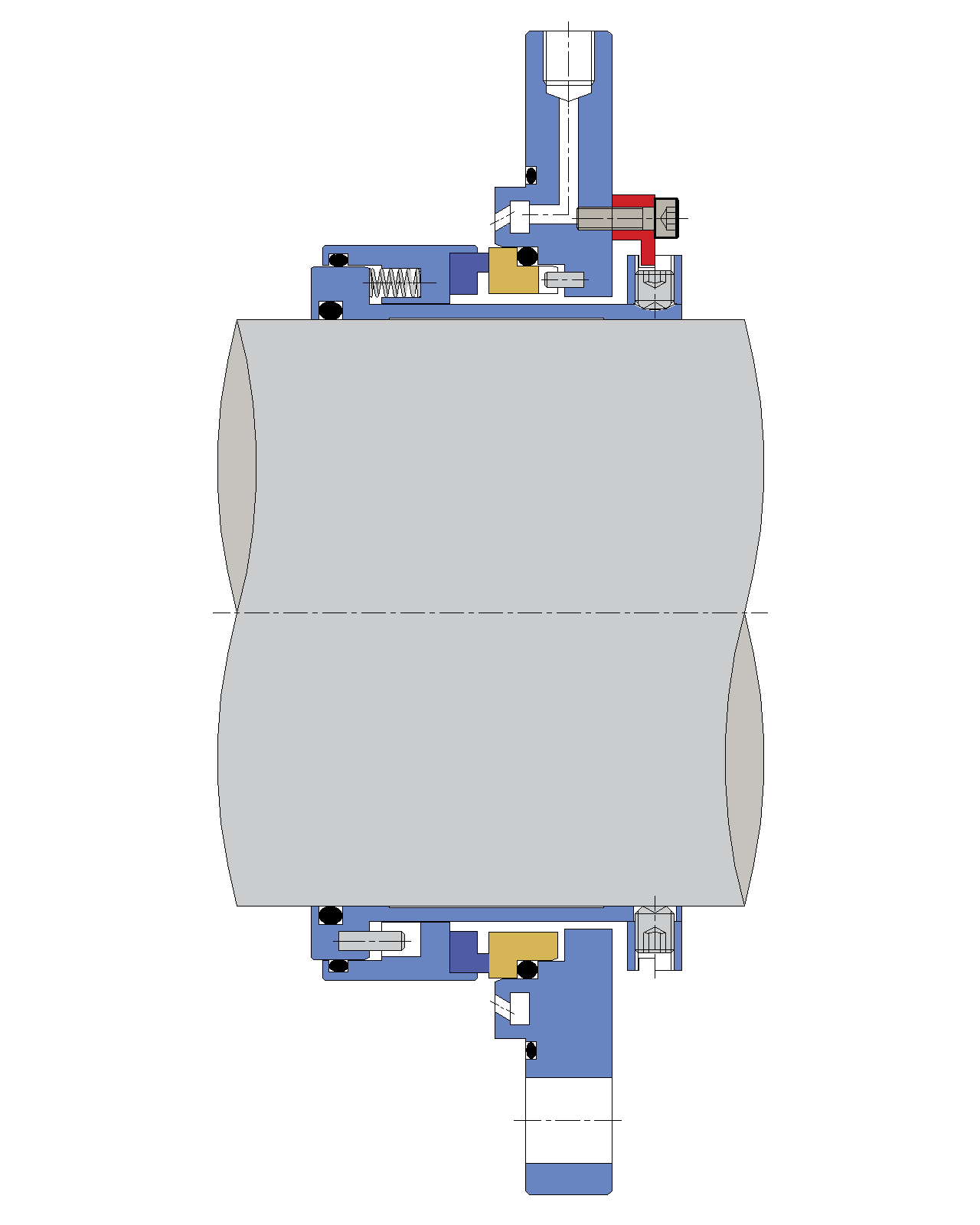
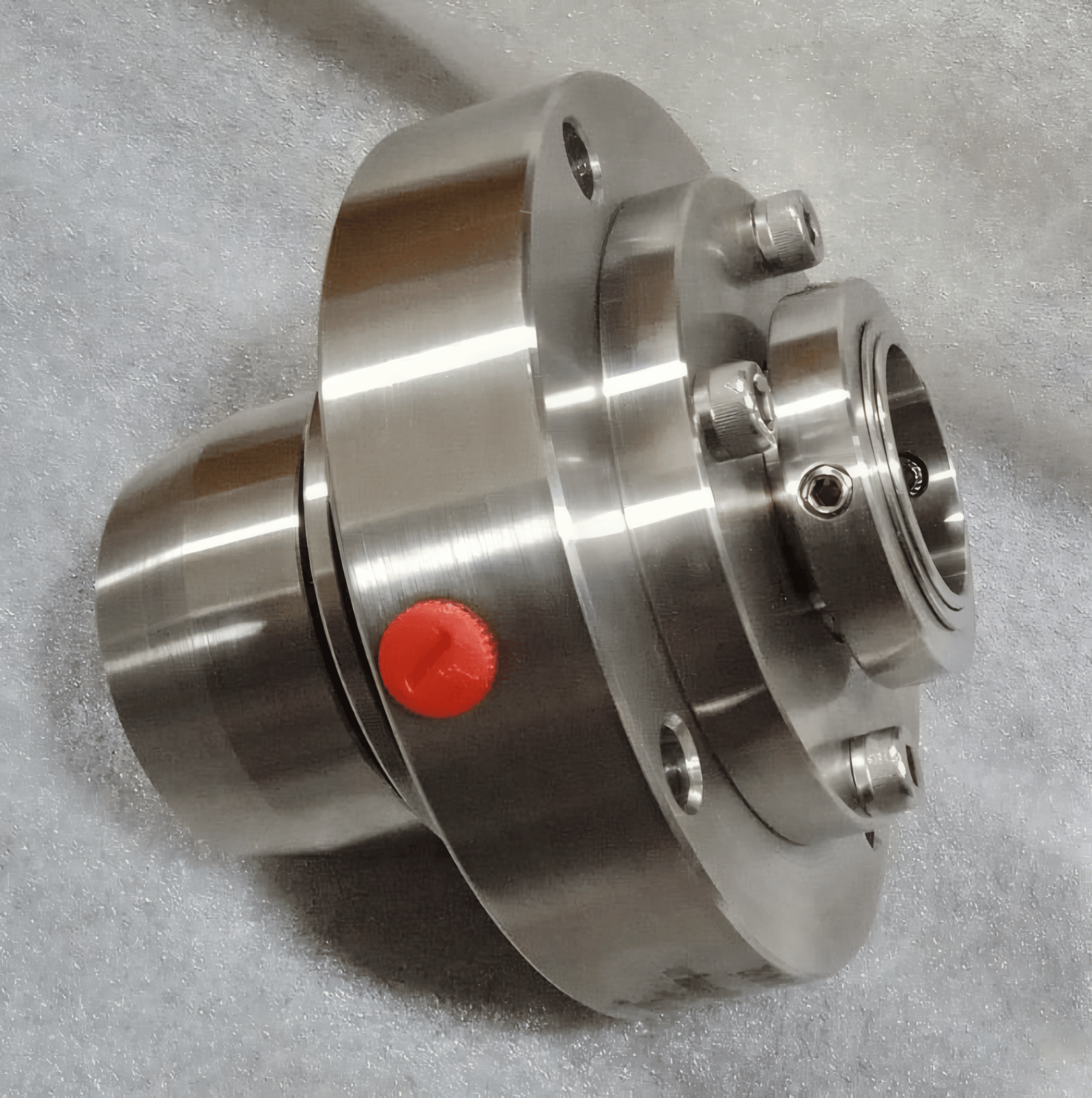
A medium-duty slurry mechanical seal is a specialized device used to prevent leakage of fluids in applications involving medium-duty slurry environments. Slurries are mixtures of solid particles suspended in a liquid, which can be abrasive and corrosive. Medium-duty slurry mechanical seals are designed to withstand the harsh conditions associated with these applications.
Here are the key features and components of a medium-duty slurry mechanical seal;
- Seal Faces: The seal faces are the primary components that come into contact with the slurry. They are typically made of durable materials such as silicon carbide or tungsten carbide, which can withstand the abrasive nature of the slurry. The seal faces are precisely lapped and polished to ensure a tight, effective seal.
- Secondary Sealing Elements: Similar to light-duty slurry seals, medium-duty slurry seals may include secondary sealing elements to enhance the seal’s performance. These can include O-rings, elastomer seals, or flexible graphite gaskets, which provide additional sealing and prevent slurry from bypassing the primary seal faces.
- Seal Housing: The seal housing encloses the seal faces and provides a protected environment for the seal to operate. It is typically constructed from materials such as stainless steel or other corrosion-resistant alloys, ensuring durability and resistance to the corrosive effects of the slurry.
- Springs and Drive Mechanisms: Springs are employed to maintain the necessary contact force between the seal faces, ensuring proper sealing. The drive mechanism, which may involve a combination of springs and other devices, allows for adjustments to the seal face pressure to accommodate the specific operating conditions.
- Flushing and Lubrication Systems: In medium-duty slurry applications, where the slurry concentration is higher and the potential for heat generation and wear is increased, flushing and lubrication systems are often integrated. These systems introduce a clean liquid or lubricant between the seal faces to provide cooling, lubrication, and removal of solid particles. This helps to extend the seal’s lifespan and minimize the risk of premature failure.
Medium-duty slurry mechanical seals find application in various industries such as mining, mineral processing, chemical processing, and power generation, where the presence of abrasive solids in the process fluid requires a robust sealing solution. They are designed to handle moderate to high slurry concentrations and provide reliable sealing performance in demanding environments.
Technical Features:
- Durability & Reliability;
- Hard Face Combinations: Offers high resistance to abrasion and chemical attack, extending operational life in harsh slurry environments.
- Vibration & Shock Resistant: Engineered to withstand pump vibrations and process pulsations without compromising sealing performance in slurry service.
- Robust Metal Construction: Wetted components are available in materials such as Alloy 20, Hastelloy, or hard-coated steel, designed to withstand corrosive and erosive media.
- Wide Elastomer Compatibility: Seal elastomers are available in materials like Viton, EPDM, and FFKM to match process fluid compatibility for thermal and chemical resistance.
- API Piping Plan Compatibility (Plan 32, 53A/B, etc.): Supports industry-standard piping plans for effective external flushing, barrier fluid pressurization, and thermal control.
- Performance & Efficiency;
- Isolated Springs: Springs are located outside the process fluid (non-wetted area), preventing clogging from slurry particles. This enhances seal reliability and extends service life.
- Single Seal: Suitable for most medium-duty slurry applications, offering a cost-effective and easy-to-maintain solution. For extremely hazardous or high-pressure environments, a dual seal configuration may be recommended.
- Rotary Spring Configuration: Springs rotate with the shaft, maintaining uniform face pressure even under vibration and axial movement. Ideal for applications where space, shaft dynamics, or layout constraints favor a rotating spring system.
- Hydraulically Balanced Design: Reduces closing force on the seal faces to minimize friction, heat generation, and wear. Ideal for medium-pressure and abrasive slurry applications with fluctuating operating conditions, enhancing seal stability and face life.
- Multiple Spring Design: Provides uniform face loading, improving seal face stability under fluctuating pressure and temperature conditions. This design compensates for axial misalignment and seal face wear, reducing localized stress and increasing Mean Time Between Failures (MTBF).
- Installation & Maintenance;
- Metric and Inch Sizes Available: Offers global compatibility with equipment standards, improving flexibility across regional and international markets.
- Independent of Direction of Rotation: Enables use in equipment with unknown or reversing shaft rotation, reducing inventory variety and simplifying selection.
- Factory Assembled & Tested: Ensures quality, reliability, and readiness for direct installation. Each unit is precision-assembled and tested to maintain consistent factory-set tolerances.
- Quick Installation & Easy Removal: Cartridge design allows fast, error-free installation and removal. This significantly reduces maintenance time and plant downtime, especially in high-utilization operations.
- Cartridge Construction: A pre-assembled, factory-tested unit that ensures accurate concentricity and alignment—critical for abrasive applications. Eliminates field measurements or axial adjustments, minimizing installation errors and ensuring consistent sealing performance.
- Environmental & Safety;
- Flushing, Quenching, and Draining Connections;
- Flushing: Clears abrasive particles from the seal chamber to prevent face damage.
- Quenching: Controls temperature and prevents atmospheric crystallization or caking.
- Draining: Allows safe and clean fluid evacuation during maintenance, reducing contamination and downtime.
- Flushing, Quenching, and Draining Connections;
Specification:
|
Application |
Dyeing Industry, Mining Industry, Fertilizer Industry, Chemical Industry, Pulp & Paper Industry, Food & Sugar Industry, Pharmaceutical Industry, Oil & Petrochemical Industry, Power Plant, Potash Plant, Pigment Plant, Solvent Plant, Phosphate Plant, Steel Making Plant, Distillery Plant, Synthetic Rutile Plant, Tar Sand Extraction Plant, Waste Water Treatment Plant, Gold Mining, Hard Rock Mining, Mineral Sand Ore Mining, Zinc Refining, Nickel Refining, Copper Refining, Alumina Refining, Coal Processing, Iron Ore Processing, Uranium Processing, Wet Cement Processing, Corn Slurry, Bauxite & Iron Ore Slurry, Crystallization, Tailings Disposal, Building Service, Hazardous Liquid, Molasses, Flue Gas Desulphurization (FGD), Offshore Production (Sand/Gravel Oil Extraction), Mixer & Other Rotary Equipment, etc. |
|
|
Materials |
Faces | Silicon Carbide / Tungsten Carbide |
| Elastomers | Viton (FKM) / EPDM / EPR / Aflas / PTFE / TTV / Kalrez (FFKM) | |
| Hardware | SS 304 / SS 316 / Hastelloy-B & C / Alloy-20 / Duplex SS / Titanium | |
|
Operating Limits |
Size | 20.0 mm to 300.0 mm (0.750” to 12.000”) |
| Pressure | 15 Bars (218 psi) | |
| Temperature | -40OC to +220OC (-40OF +428OF) | |
| Speed | 2900 RPM | |
| Solids | 20% Maximum solids by weight | |
| Particle Size | 6000 Micron Maximum | |
| Particle Hardness | 7 Mohs Maximum | |
Reviews
There are no reviews yet.