
Product Overview;
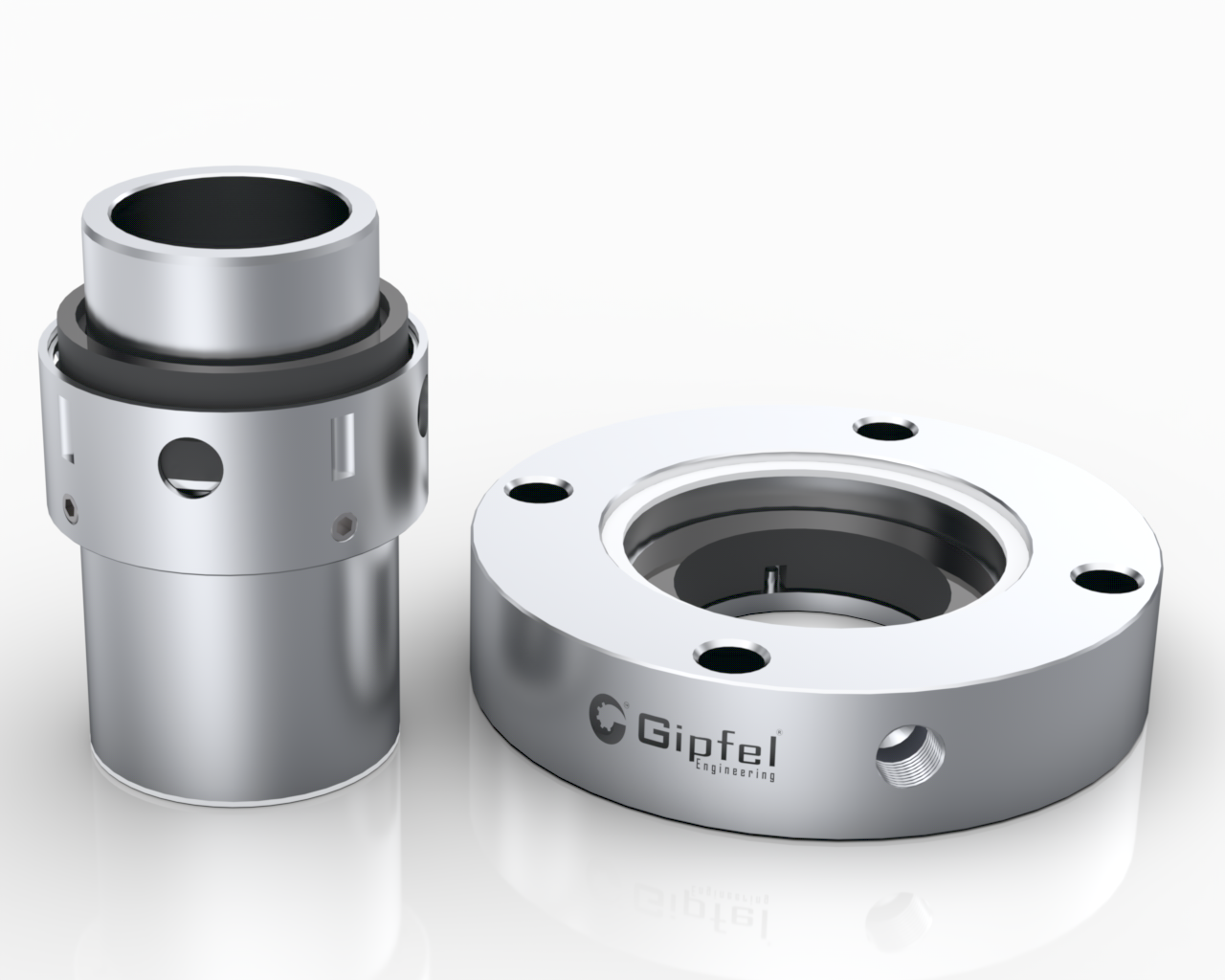
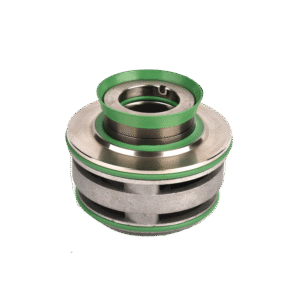
The SSC697A‑G is a robust multi‑spring semi‑cartridge mechanical seal developed for service on clear liquids, light hydrocarbons and general process fluids in refinery, chemical, power and industrial applications. Its design focuses on achieving a strong balance between installed cost, operational reliability and ease of maintenance in everyday plant duty.
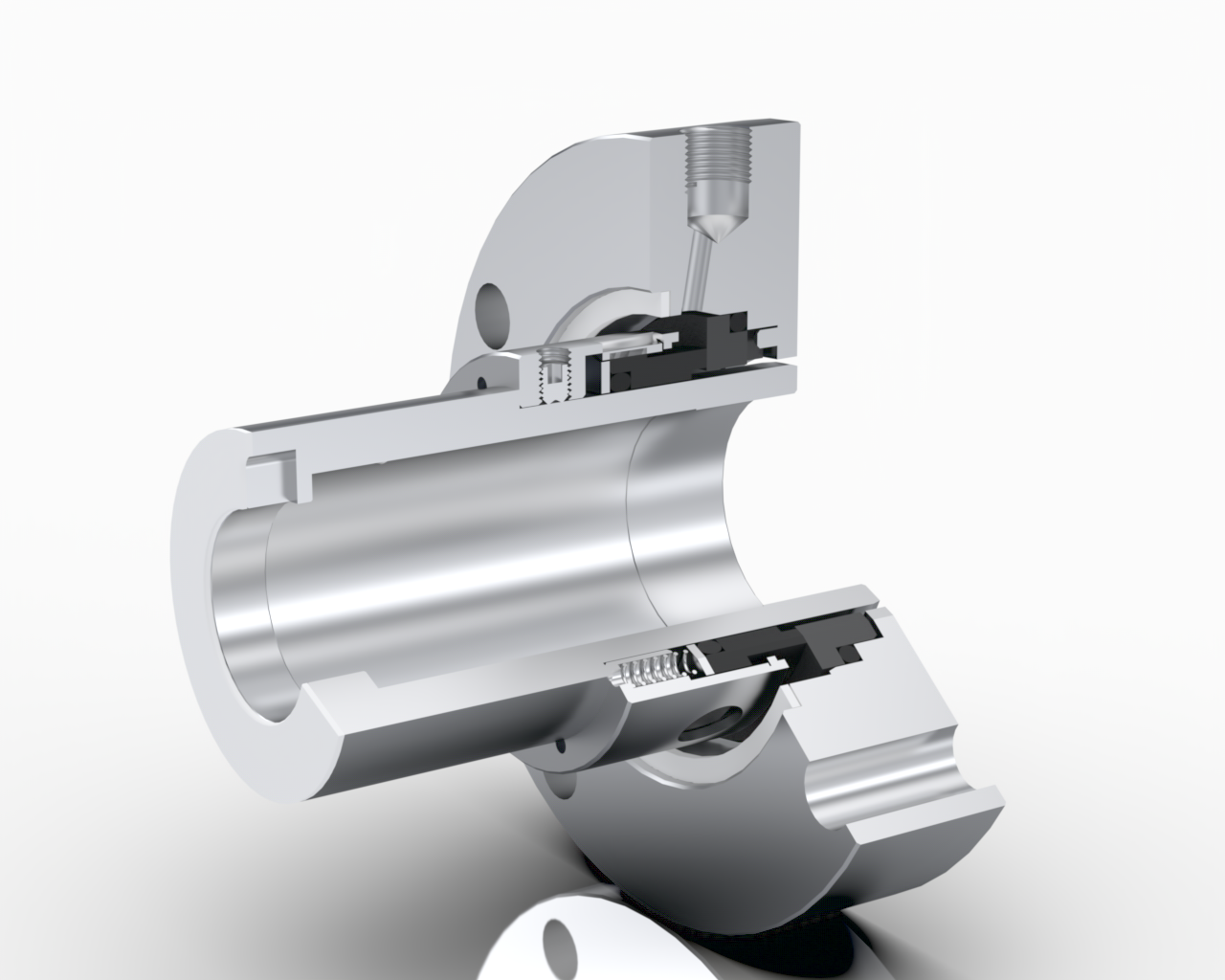
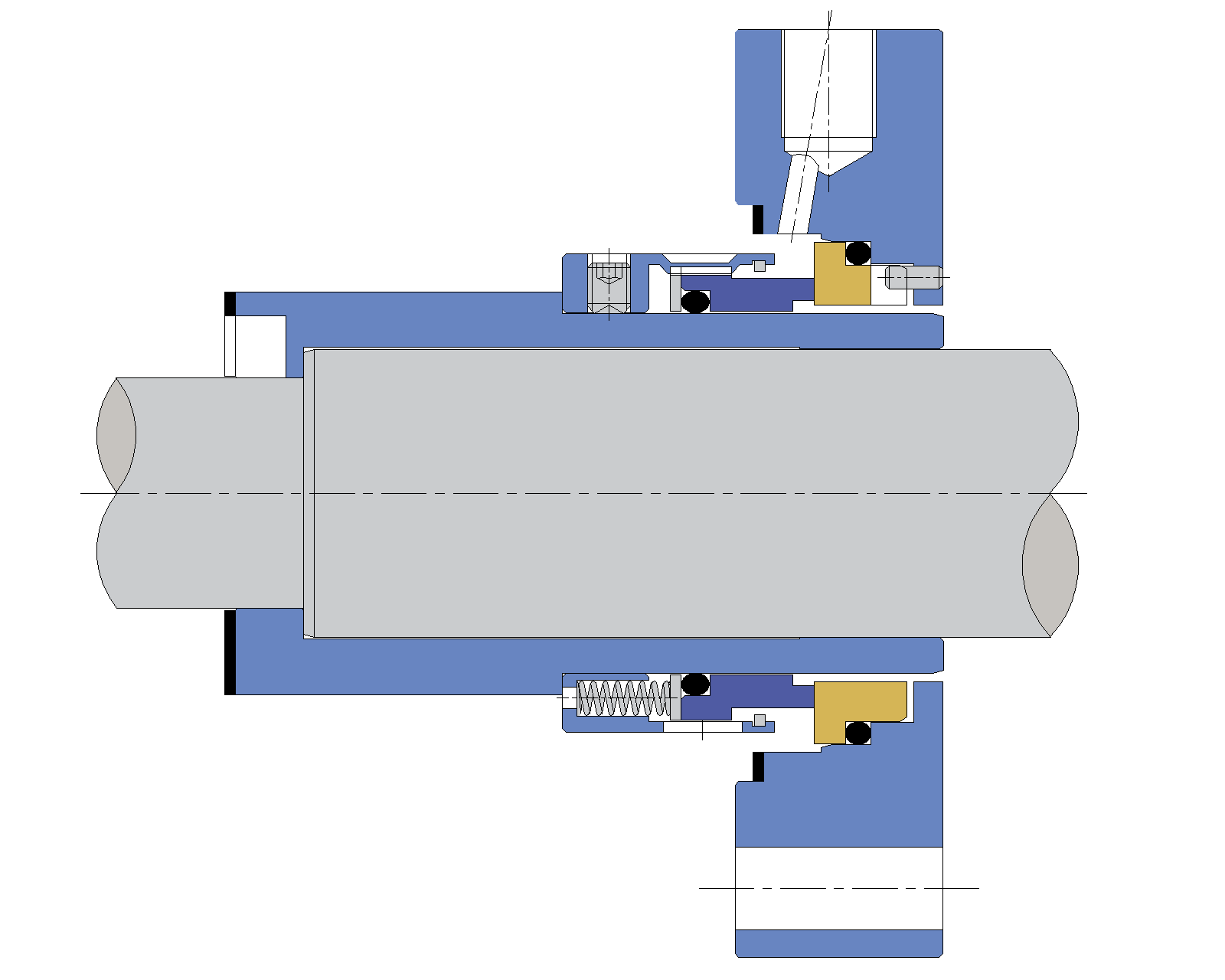
A multi‑spring rotary assembly provides uniform, concentric face loading, improving face stability, heat distribution and tracking under fluctuating pressures and shaft deflections. This configuration minimises localized wear, extends seal life and maintains controlled leakage over a broad envelope of operating conditions.
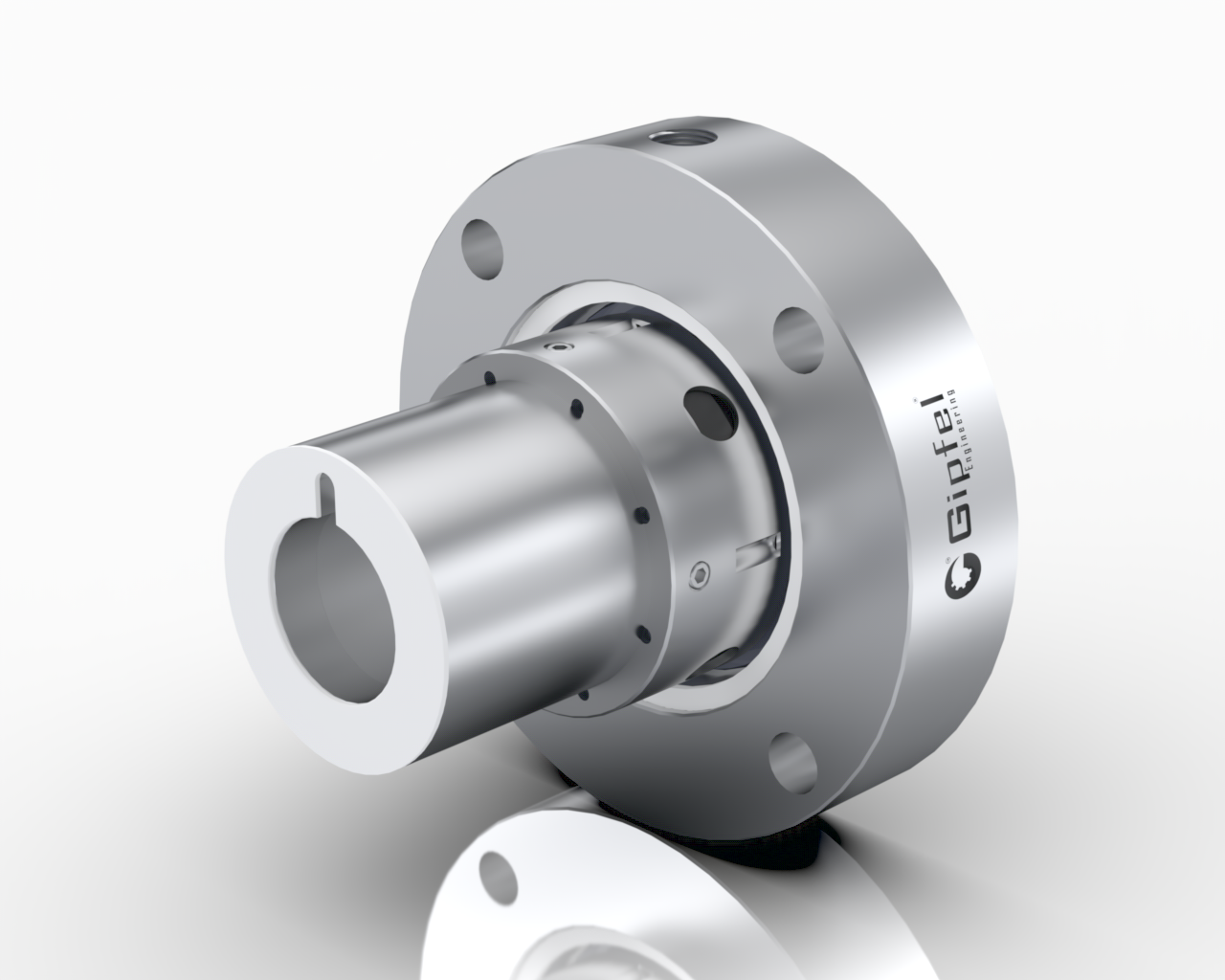
The semi‑cartridge construction is supplied as a pre‑assembled, factory‑set unit that mounts as a single piece on the shaft or sleeve. This significantly reduces the risk of installation errors associated with loose component seals—such as incorrect setting dimensions, uneven spring compression or damaged O‑rings—while avoiding the higher hardware cost and axial space requirements of a full cartridge seal. No on‑site adjustment of working length is required, which shortens installation time and supports reliable commissioning.
SSC697A‑G seals are well suited for API 610 process pumps where a non‑API category seal is acceptable, as well as for other centrifugal pumps and general rotating equipment handling clean, non‑slurry media. They are widely adopted where consistent uptime is critical, including utilities, light hydrocarbon transfer, water and condensate services, and clean chemical duties.
Supplied as a ready‑to‑install assembly, the SSC697A‑G combines a low‑cost, service‑friendly design with proven ruggedness in industrial environments. The result is a dependable sealing solution that reduces installation time, minimizes alignment‑related failures and delivers reliable performance across a wide range of clear liquid applications.
“Versatile multi-spring semi-cartridge mechanical seal designed for clear liquids, hydrocarbons, and demanding industrial pump applications with high reliability.”
Features;
- Quick installation and easy removal, with a compact, unitised layout that simplifies routine maintenance and reduces downtime.
- Bidirectional operation, independent of shaft rotation direction, ensuring consistent performance even where rotation may be reversed.
- Available in both metric and inch shaft sizes, allowing easy integration across a wide range of standard industrial pumps and rotating equipment.
- Single mechanical seal configuration delivering reliable sealing performance for clear liquids and process fluids, with an economical overall life‑cycle cost.
- Refurbishable design with replaceable wear components, making the seal cost‑effective over its service life compared with fully disposable cartridge units.
- Semi‑cartridge construction, factory assembled and tested, supplied with a pre‑set working length to minimise installation errors associated with loose component seals.
- Multi‑spring loading arrangement provides uniform closing force across the seal faces, enhancing reliability, face stability and leakage control under varying operating conditions.
- Offered in hydraulically balanced and unbalanced designs, enabling optimisation for either higher‑pressure/light‑hydrocarbon duties or lower‑pressure, cost‑sensitive services.
- Configurable seal support options, available with or without connections for flushing and quenching, allowing the seal to be matched to plant seal plans for improved cooling, face cleanliness and environmental control.
- Seal Support and Upgrade Recommendations, compatible with standard API 682 process‑side piping plans. For optimum reliability, the following plans are typically selected according to service conditions:
- Recommended API piping plans
- API Plan 11 – Recirculation from pump discharge through an orifice to the seal chamber; used as the default flush plan for clean services to remove seal heat and maintain adequate pressure margin in the stuffing box.
- API Plan 23 – Recirculation from the seal chamber through an external cooler and back to the seal; recommended for hot water and high‑temperature services where increased cooling and vapour suppression at the seal faces are required.
- API Plan 32 – External injection of a clean, cool, compatible flush fluid into the seal chamber; applied where the pumped product is dirty, viscous, or otherwise unsuitable for direct circulation across the seal faces.
- Upgrade path for hazardous or environmentally critical fluids
- For hazardous, toxic, or environmentally critical services, upgrading from a single seal to a dual mechanical seal in accordance with API 682 Arrangement 2 (unpressurised) or Arrangement 3 (pressurised) is recommended.
- Dual seals used in combination with an appropriate buffer or barrier fluid system provide enhanced containment, reduced fugitive emissions and increased safety compared with single‑seal configurations.
Typical Applications;
- Hot water systems
- Light hydrocarbon services
- Solvent and distillation systems
- General industry rotating equipment
- Beverage and pharmaceutical processes
- Process pumps (chemical & petrochemical)
Technical Specifications
- Operating Parameters
| Parameter | Value |
| Seal Type | Single, Semi-Cartridge |
| Design | Multi Spring |
| Balance | Balanced / Unbalanced |
| Shaft Size | 20 mm to 300 mm |
| Pressure | Up to 40 bars |
| Temperature | -40°C to +220°C |
| Speed | Up to 2900 RPM |
- Materials of Construction
| Component | Standard Material | Optional Material | Comment |
| Seal Faces | Carbon / Ceramic | SiC / TC combinations | Select based on fluid lubricity |
| Elastomers | NBR, FKM, EPDM | Aflas, FFKM, PTFE | For chemical compatibility |
| Metal Parts | SS304 / SS316 | Duplex, Hastelloy, Titanium | Corrosion resistance |
Seal Design Analysis
- Strengths
✔ Good refurbishment capability
✔ Flexible material combinations
✔ Proven, industry-standard design
✔ Suitable for majority of clear fluid applications
✔ Wide operating envelope (pressure up to 40 bar)
- Risks / Gaps
⚠ No integrated setting clips mentioned
⚠ Missing shaft runout and deflection limits
⚠ Spring exposure risk if not isolated from fluid
⚠ Semi-cartridge → still requires correct axial positioning

Reviews
There are no reviews yet.