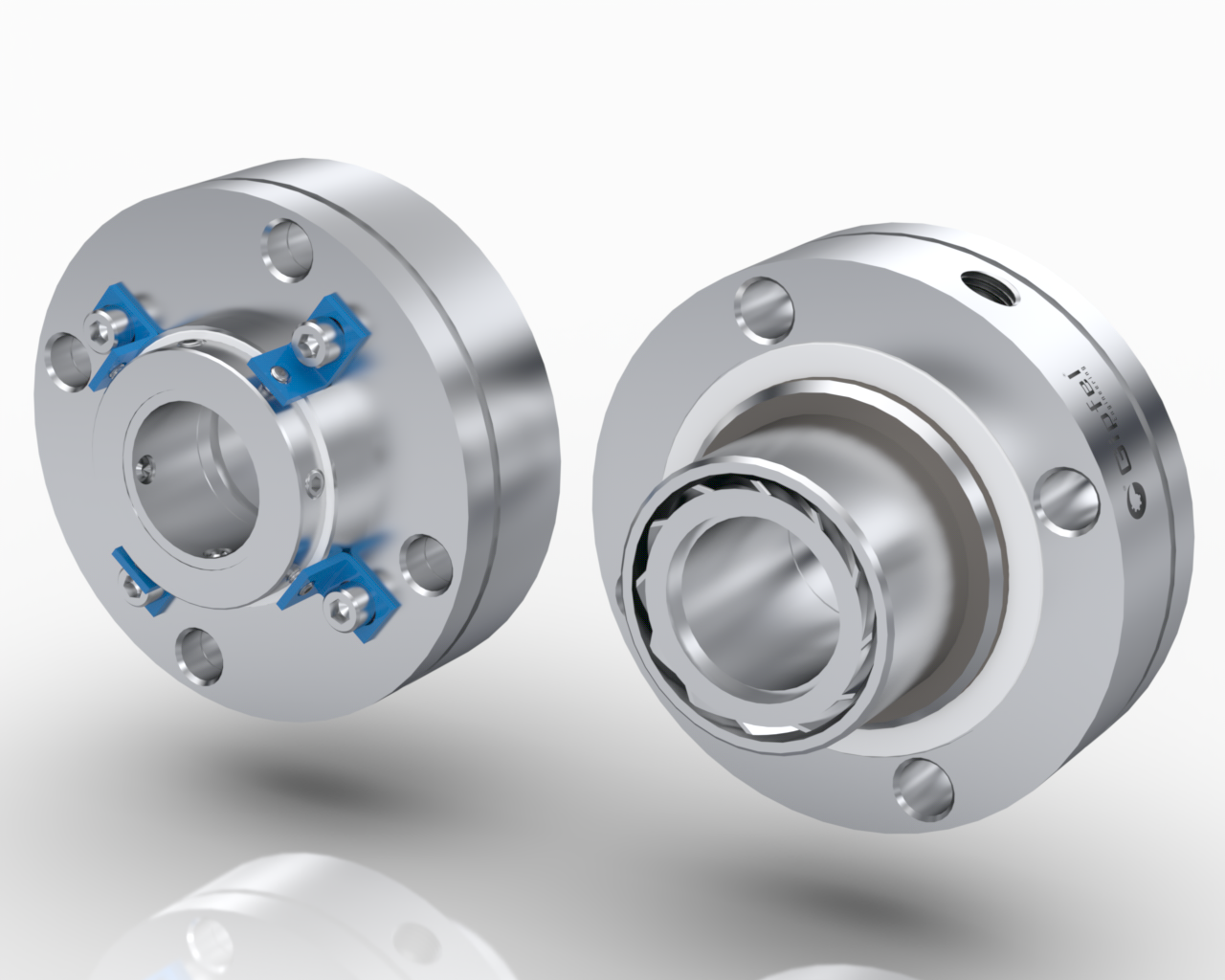
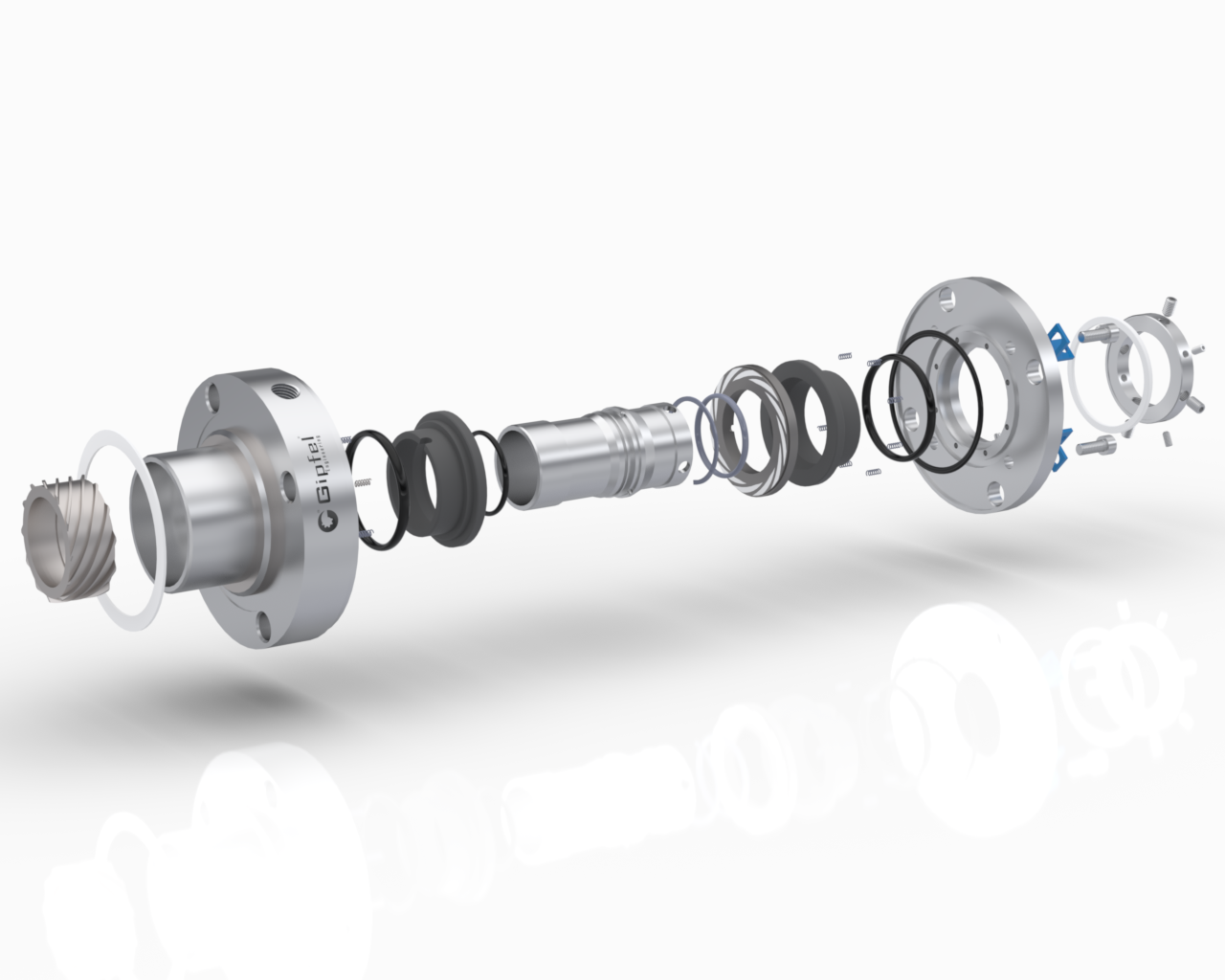
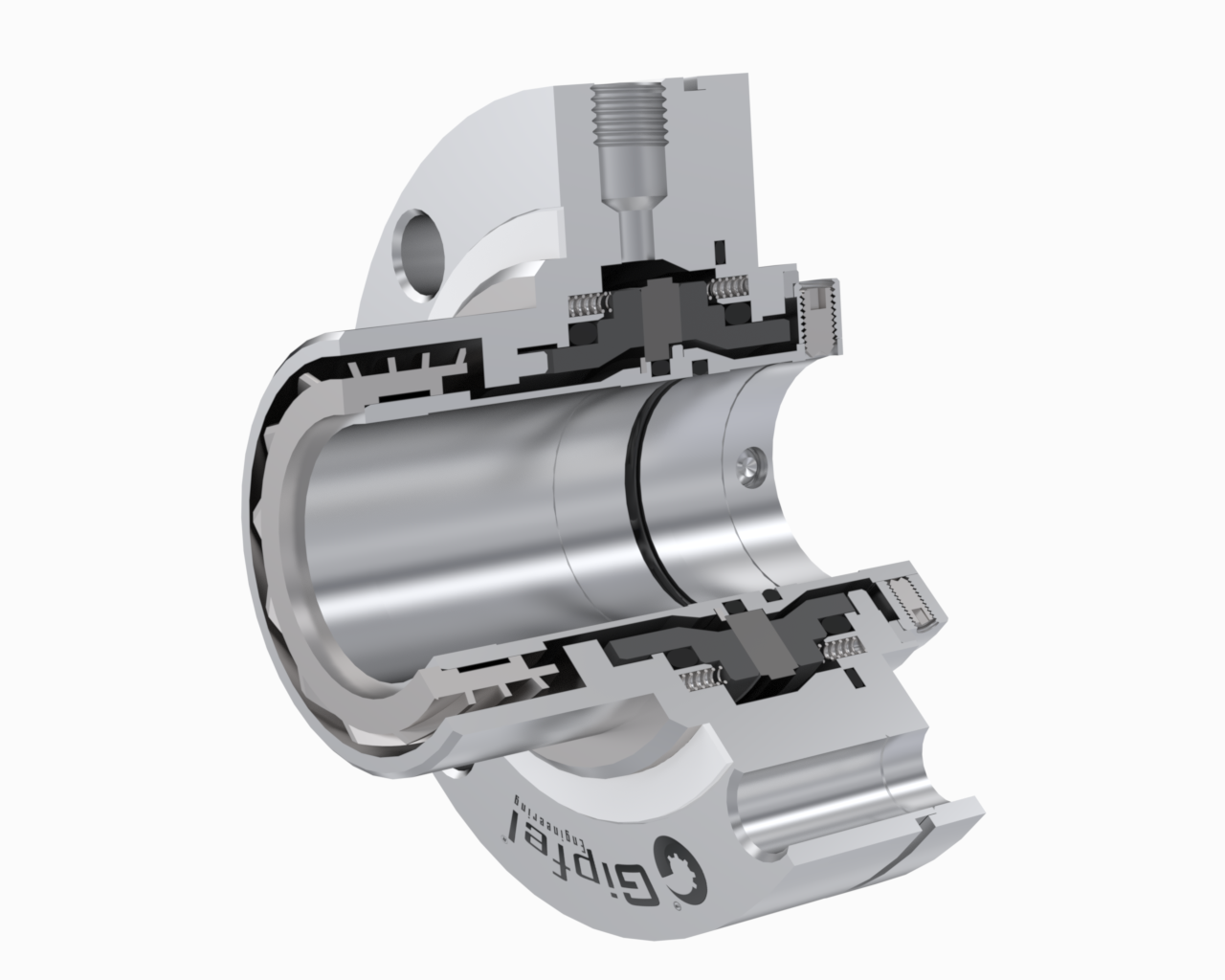
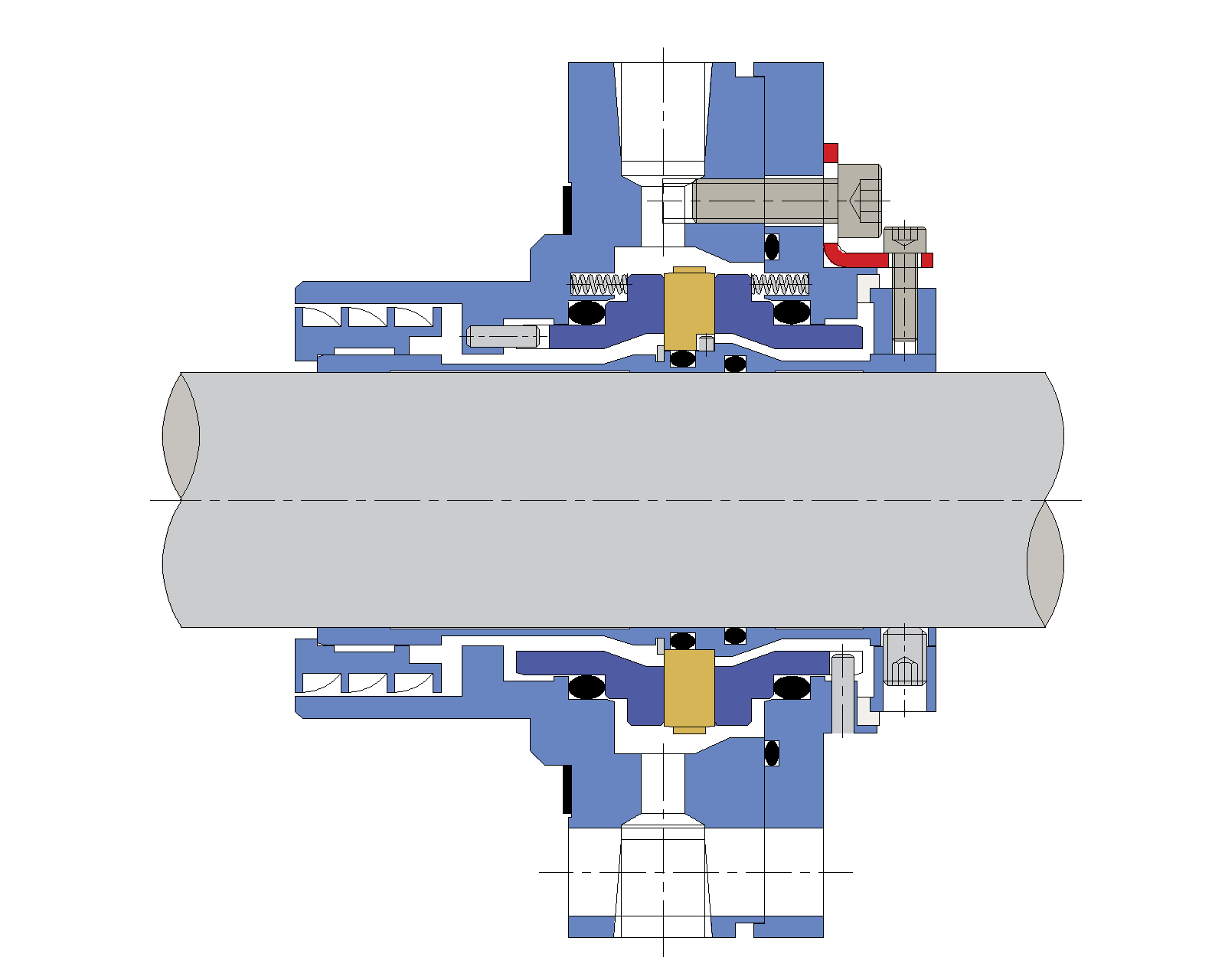
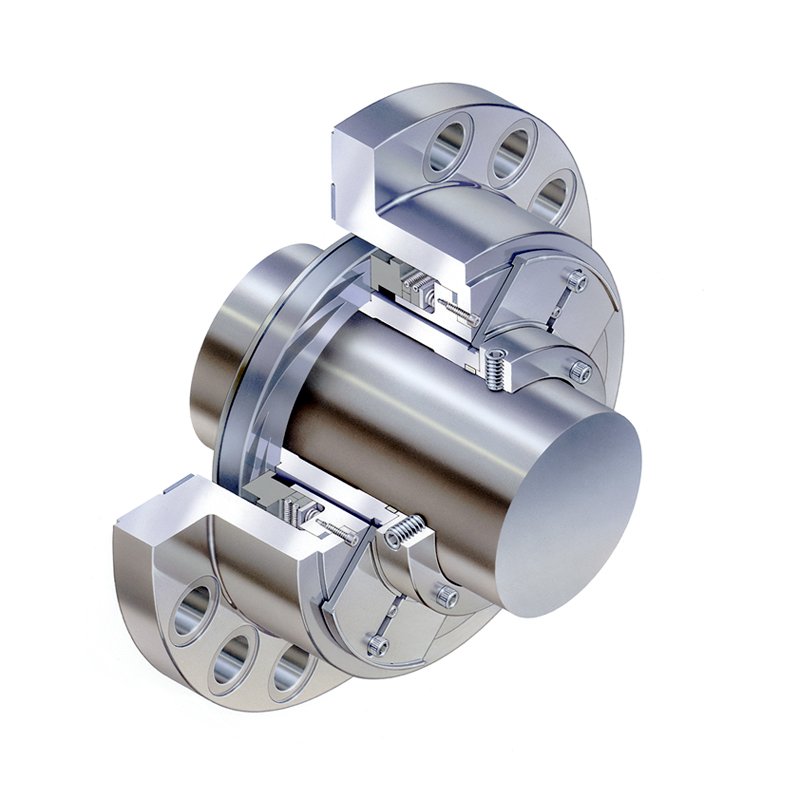
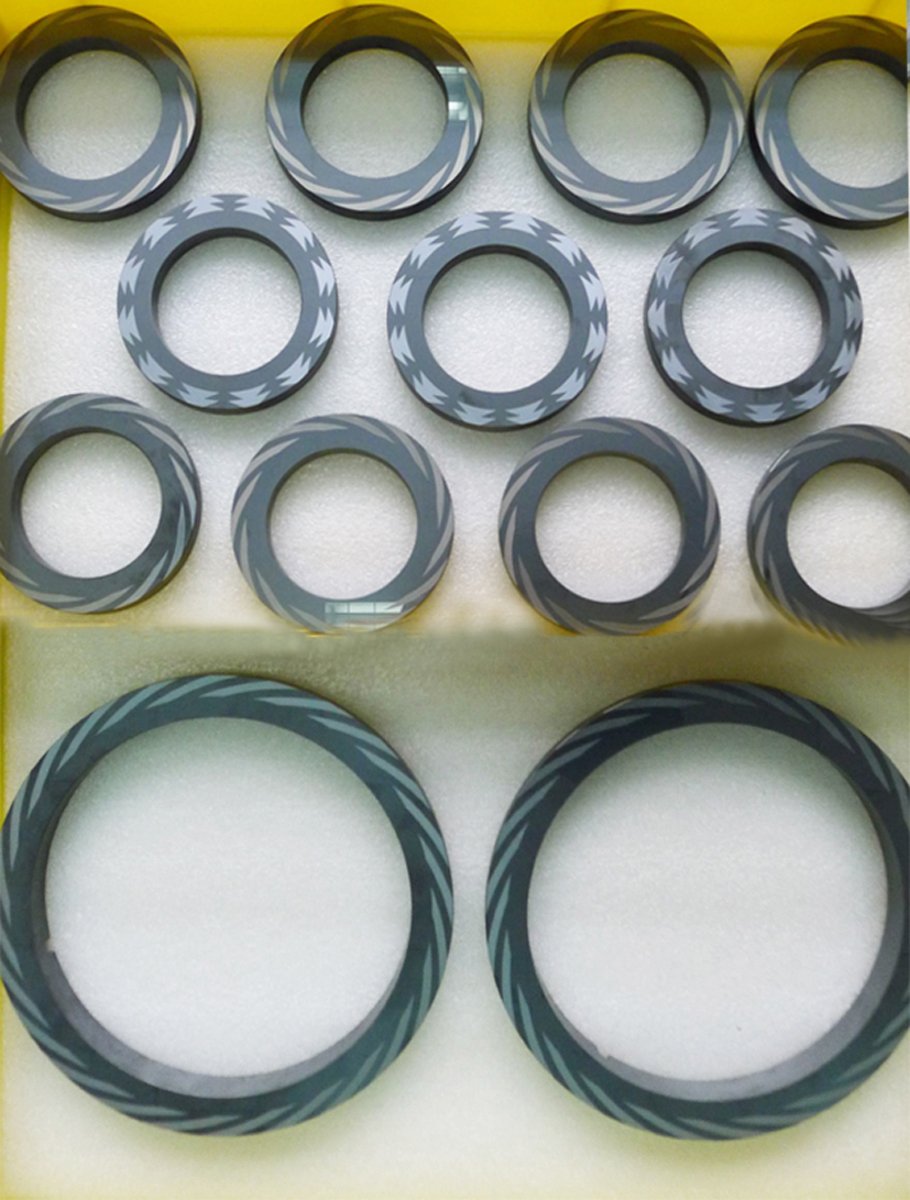
Product overview;
Gas‑lubricated mechanical seals are high‑performance seals engineered to prevent gas leakage between rotating and stationary components in critical rotating equipment such as centrifugal and screw compressors, turbines, blowers, and high‑speed pumps. Unlike conventional liquid‑lubricated seals, dry gas seals operate on a non‑contacting principle, using a thin film of gas—typically air, nitrogen, or process gas—as the sealing medium. This gas film maintains a controlled, stable gap between the seal faces, minimizing friction, virtually eliminating wear, and significantly reducing energy consumption and heat generation.
These seals are ideally suited to high‑speed, high‑pressure, and hazardous‑gas service, where tight leakage control, equipment reliability, and efficiency are paramount. Gas‑lubricated systems also contribute to extended equipment life, lower operating and maintenance costs, and reduced emissions, making them a preferred solution in modern rotating machinery across the oil & gas, petrochemical, and power generation industries.
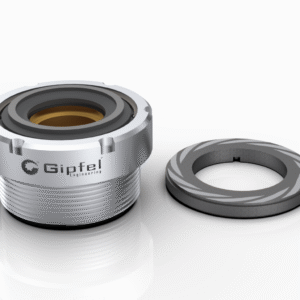
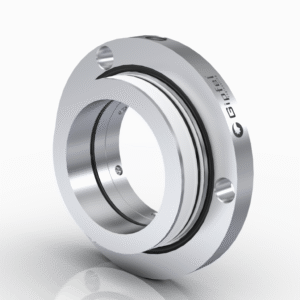
The GS780 Gas Seal is an advanced non‑contact, gas‑lubricated mechanical sealing system designed to generate a stable aerodynamic sealing film between precision‑lapped seal faces. During operation, engineered groove patterns on the rotating face create controlled lift‑off, allowing the faces to run without physical contact under normal dynamic conditions. This reduces frictional heat, eliminates conventional face wear, and supports extended service life in critical rotating equipment.
Designed for demanding services in chemical plants, petrochemical units, refineries, and gas processing facilities, the GS780 is suitable for sealing clean gases, process gases, and selected low‑viscosity media where emissions control, product purity, and equipment reliability are essential. Typical installations include centrifugal compressors, screw compressors, blowers, gas boosters, and low‑viscosity process pumps, especially where toxic, flammable, high‑purity, or environmentally hazardous media require controlled leakage management through seal‑gas systems aligned with API 692‑style practices and API‑type piping arrangements.
Technical Key features;
- Quick installation and easy removal streamline maintenance procedures and reduce equipment downtime.
- High efficiency reduces power loss and eliminates the need for liquid lubrication and associated auxiliary systems.
- Factory‑assembled and tested units ensure reliability and performance consistency before shipment and installation.
- Hydraulically balanced type reduces face load and minimizes wear, extending seal life under varying pressure conditions.
- Multiple‑spring design ensures uniform face loading and consistent sealing performance under dynamic operating conditions.
- Metric and inch sizes available for compatibility with a wide range of equipment specifications and international standards.
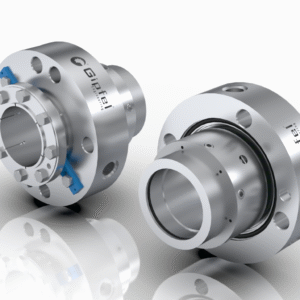
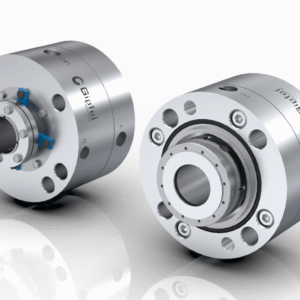
- Single‑ and double‑seal configurations available to match pressure levels, containment requirements, and emission‑control targets.
- Rotary and stationary spring options provide configuration flexibility to suit different installation layouts and operational requirements.
- Leakage control supports containment of flammable, toxic, high‑purity, and environmentally sensitive media, enhancing process safety.
- Precision groove face technology promotes stable aerodynamic lift‑off and controlled leakage performance, supporting tight emissions targets.
- Non‑contact, gas‑lubricated operation minimizes friction, heat generation, and seal face wear, extending service life and improving reliability.
- Cartridge construction delivers a pre‑assembled, factory‑aligned unit that simplifies installation, improves repeatability, and eases maintenance.
- Low‑emission sealing design effectively minimizes gas leakage, making the seal suitable for hazardous gas containment and environmental‑compliance applications.
- Material compatibility with high‑performance materials such as carbon, ceramics, and specialized metals to withstand harsh operating conditions and extend component life.
- Independent of unidirectional rotation allows effective operation in both clockwise and counter‑clockwise shaft rotation, improving flexibility and reducing spare‑seal variants.
- Non‑contacting design uses aerodynamic or hydrostatic forces to maintain a controlled gas film between the sealing surfaces, minimizing friction and wear during normal operation.
- Suitability for critical services involving flammable, toxic, high‑purity, or environmentally sensitive media, especially in oil & gas, petrochemical, refinery, and gas‑processing facilities.
- High‑speed capability makes the GS780 suitable for turbo compressors, centrifugal compressors, screw compressors, blowers, gas boosters, and other high‑speed rotating equipment.
- Supplied with buffer gas supply system (or compatible with standard supply arrangements) to ensure optimal sealing performance, prevent contamination, and support API‑type piping plans.
Service Overview;
| Parameter | Value |
| Equipment | Centrifugal compressors, screw compressors, blowers, gas boosters, low-viscosity process pumps |
| Fluid | Clean gases, process gases, nitrogen, hydrocarbon gas, selected low-viscosity media |
| Service Nature | Dry running, gas-lubricated, low-emission, hazardous or high-purity service |
| Operating Mode | Continuous duty with controlled seal gas supply and monitored leakage path |
Specifications;
| Item | Min | Max | Typical / Notes |
| Size | 20 mm (0.750”) | 300 mm (12.000”) | Larger engineered sizes on request |
| Pressure | Vacuum / low pressure | 100 bar (1,450 psi) | Higher-pressure designs available after application review |
| Temperature | -40°C (-40°F) | +200°C (+392°F) | Depends on elastomer, metallurgy, and seal gas quality |
| Speed | — | 3600 rpm | Final limit depends on shaft diameter, gas properties, and rotor dynamics |
Materials;
| Component | Standard Material | Optional Material | Comment |
| Seal Faces | Silicon Carbide / Carbon Graphite | Tungsten Carbide, Silicon Carbide, Diamond-Like Coated Faces | Selected based on gas composition, pressure, and contamination risk |
| Secondary Seals | FKM / FFKM | PTFE, EPDM, FEP-encapsulated elastomers | Elastomer choice depends on chemical compatibility and temperature |
| Metal Parts | SS 316 / SS 316L | Duplex SS, Hastelloy C, Inconel, Alloy 20 | For sour gas, corrosive gas, and refinery service |
| Springs / Drive Parts | SS 316 | Hastelloy C, Inconel | Selected for corrosion resistance and mechanical stability |
| Stationary Hardware | SS 316 / SS 316L | Custom alloys | Designed for compressor and process-equipment housings |
Applications;
- Centrifugal and screw compressors
- High-purity gas handling equipment
- Chemical and petrochemical process plants
- Oil refineries and hydrocarbon processing units
- Blowers, gas boosters, and vapor recovery systems
- Natural gas processing and gas compression stations
- Low-viscosity process pumps requiring gas-lubricated sealing
- Toxic, flammable, volatile, or environmentally hazardous media services
Operating Limits;
| Parameter | Value |
| Pressure | Up to 100 bar (1,450 psi) |
| Temperature | -40°C to +200°C (-40°F to +392°F) |
| Speed | Up to 3600 rpm |
| Size Range | 20 mm to 300 mm (0.750” to 12.000”) |
Engineering verification note;
Operating limits and materials above are inferred from typical dry gas seal engineering practice. Final GS780 selection should be verified against actual process gas composition, pressure transients, seal gas quality, compressor speed, shaft size, leakage allowance, and applicable API 692 seal gas system requirements.