
Product overview;
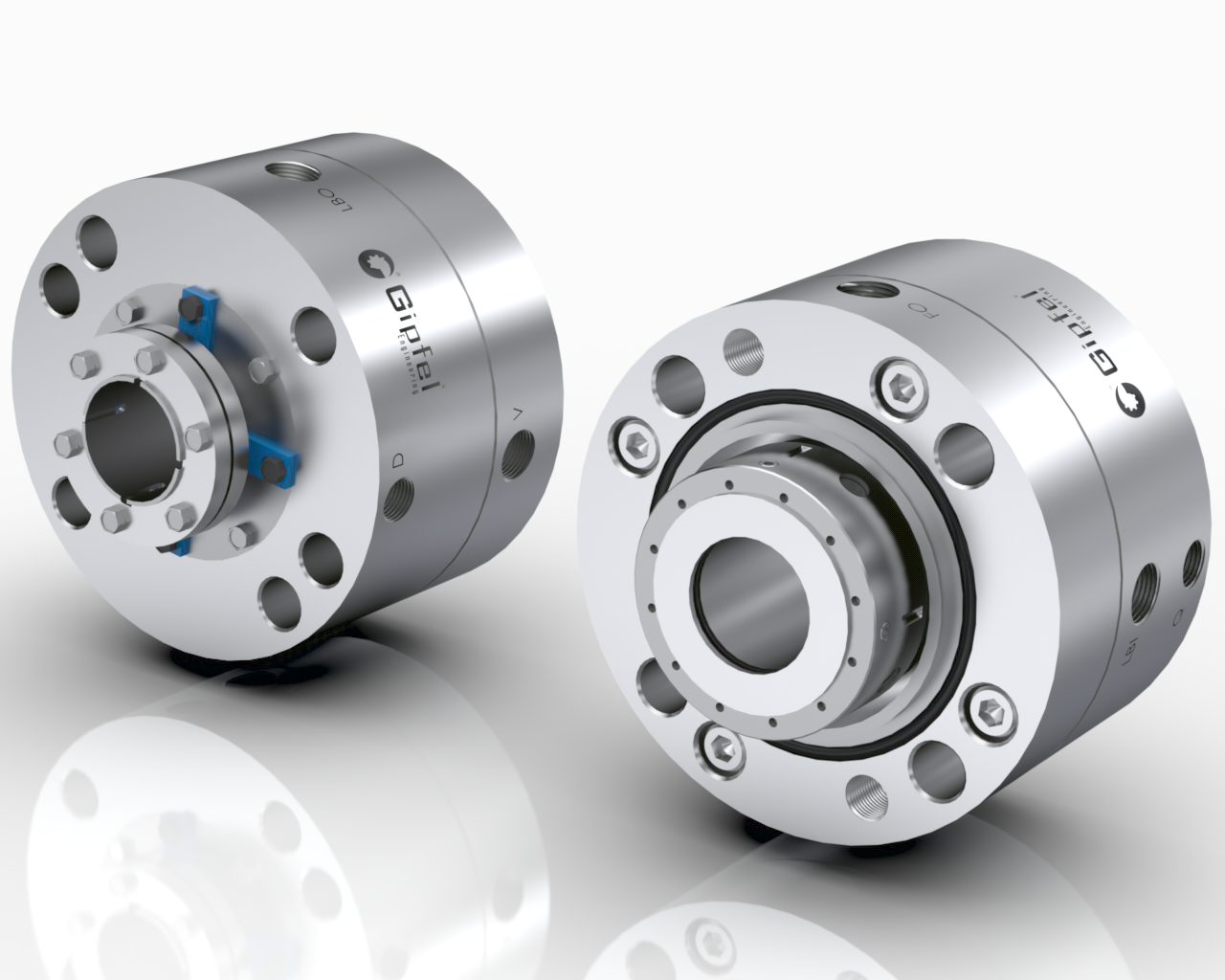
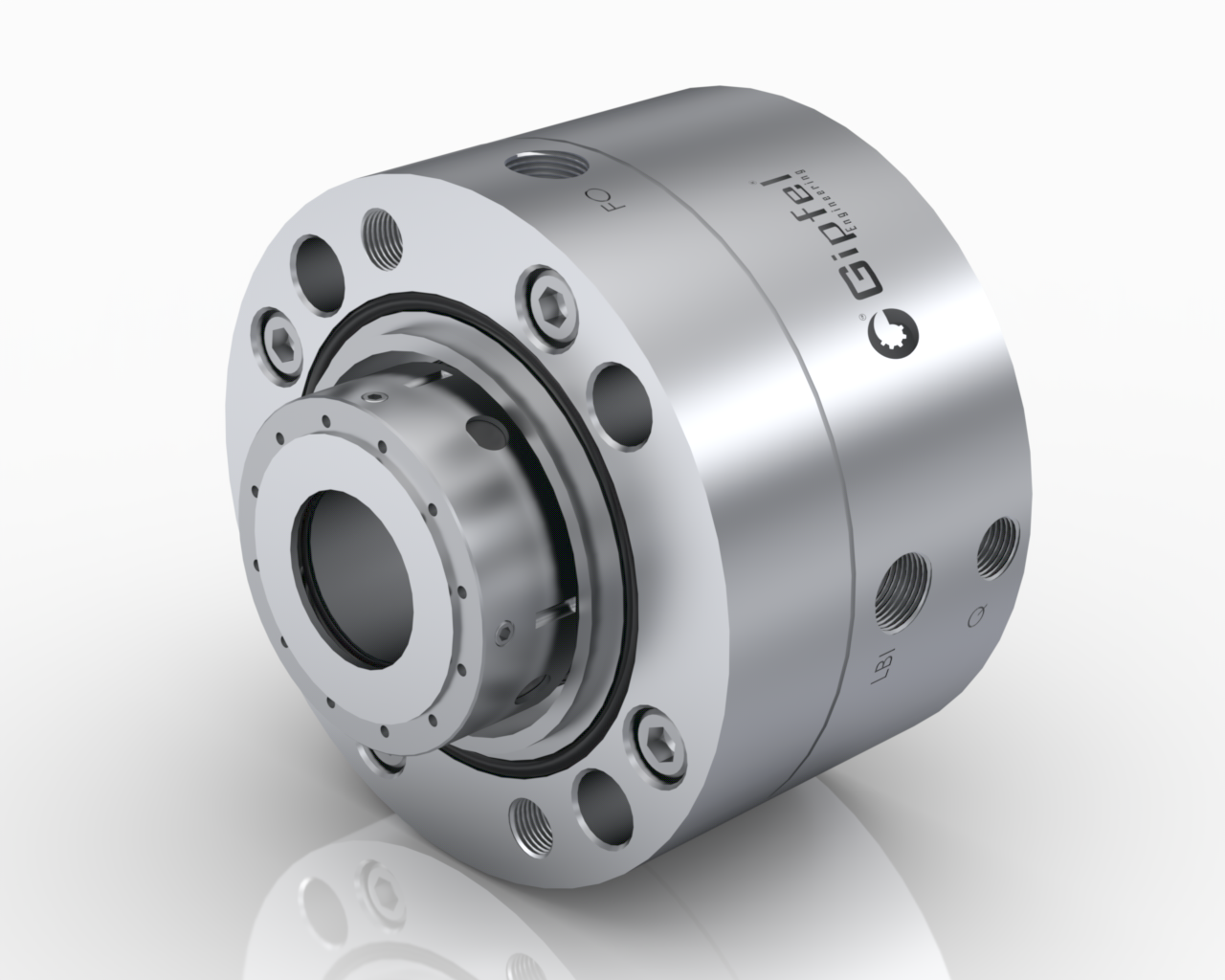
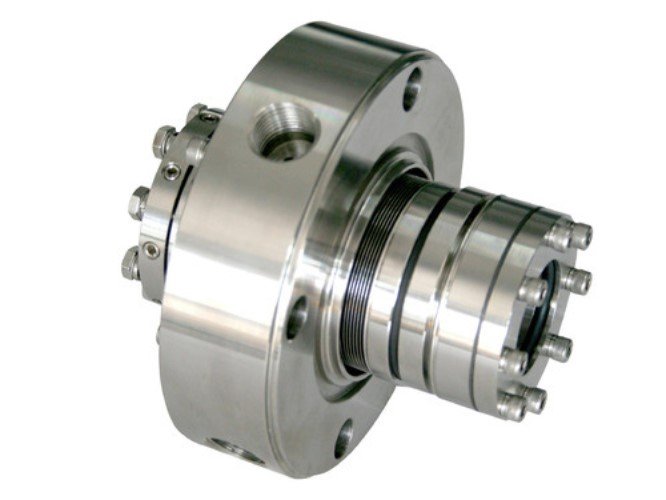
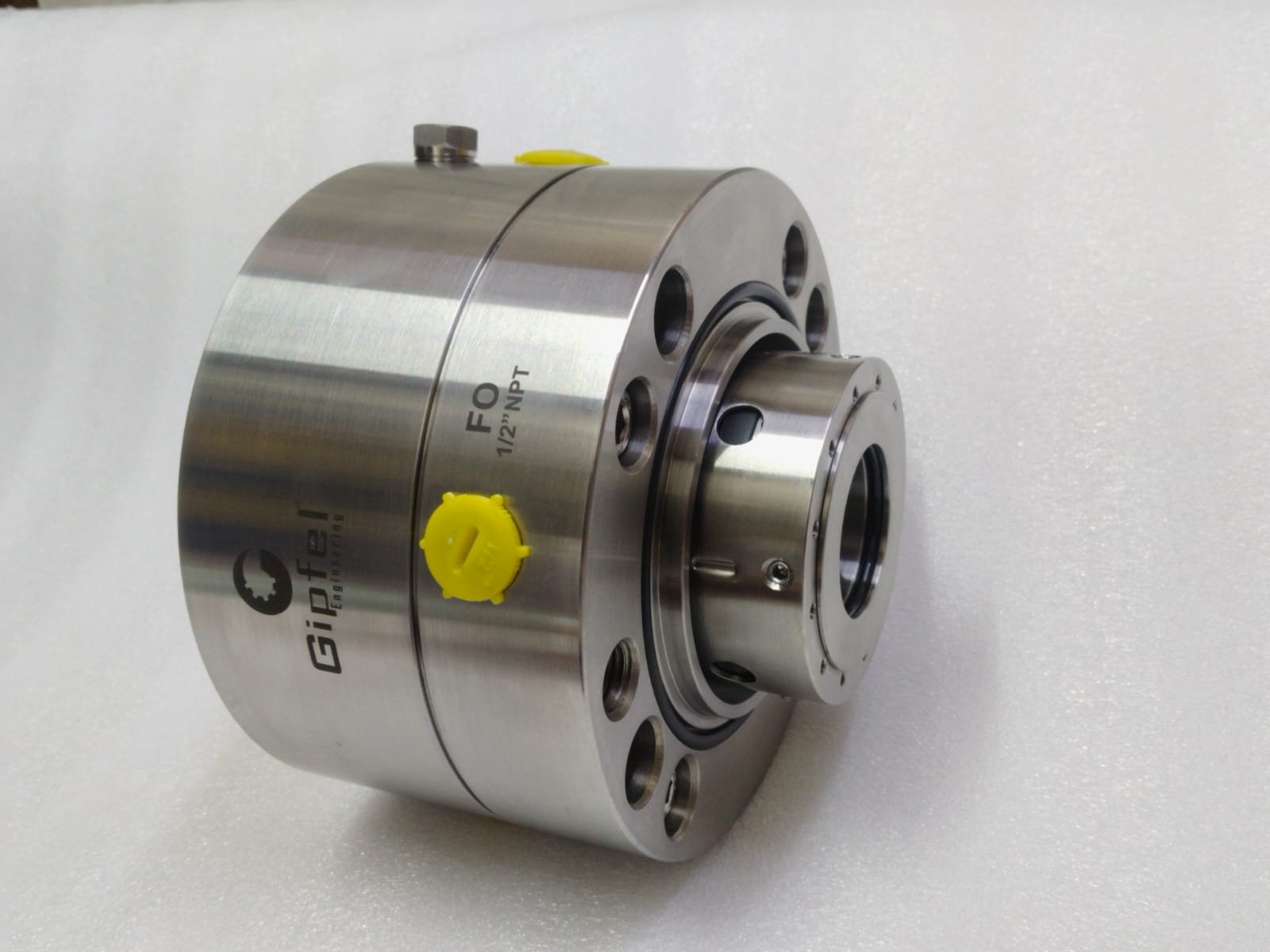
API 682 mechanical seals are precision‑engineered sealing solutions designed to meet the stringent operational, safety, and environmental demands of rotating equipment in oil & gas, petrochemical, chemical processing, and power generation industries. Manufactured in full compliance with the American Petroleum Institute Standard 682, these seals provide industry‑standard performance, interchangeability, and regulatory adherence across global applications.
Built with a strong emphasis on standardization, modularity, and long‑term durability, API 682‑compliant mechanical seals deliver:
- Superior leakage control in hazardous and high‑risk services
- Extended equipment uptime through stable, repeatable performance
- Minimized maintenance frequency due to robust construction and proven reliability
Their robust design and proven track record make them the preferred choice for mission‑critical process pumps where seal failure is not acceptable, particularly in safety‑ and environment‑sensitive installations.
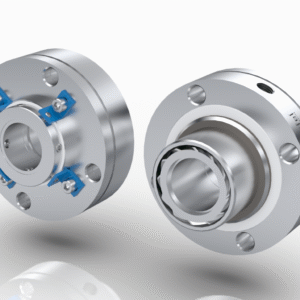
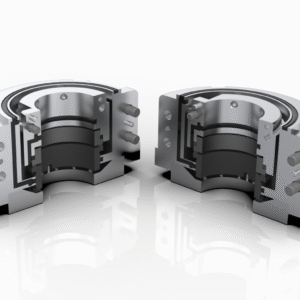
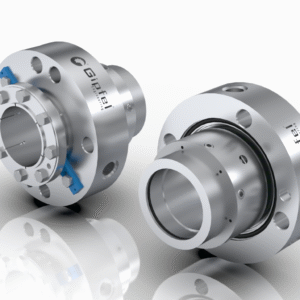
The API 682 Mechanical Seal – Model API 682 is an engineered cartridge mechanical seal designed for demanding rotating equipment where leakage control, operational safety, and environmental protection are essential. Consistent with API 682 sealing principles, the design can be configured as single, dual pressurized, or dual unpressurized arrangements, depending on fluid volatility, toxicity, vapor pressure, temperature, and site emission requirements.
This seal is suitable for petrochemical, oil and gas, refining, chemical processing, LPG, and power generation services, particularly on API 610 / ISO 13709 centrifugal process pumps. Its hydraulically balanced seal geometry, robust metallic hardware, precision‑lapped seal faces, and application‑specific elastomers or secondary sealing elements ensure stable performance when handling hazardous liquids, light and heavy hydrocarbons, high‑temperature process fluids, and other critical media.
By combining standardized design with configurable sealing arrangements, the API 682 mechanical seal supports reliable, emissions‑controlled operation in the most demanding process‑pump installations.
Technical Key features;
- Global compatibility with both metric and imperial (inch) sizes, suitable for integration with a wide range of international equipment and pump standards.
- Engineered for critical process pumps in continuous‑duty refinery, chemical, LPG, and power plant installations, where seal failure is not acceptable.
- Balanced seal geometry reduces heat generation and stabilizes face loading under pressure transients and thermal cycling, improving reliability and face life.
- Compatible with API piping plans such as Plan 11, 21, 23, 32, 52, 53A/B/C, and 54, enabling standardized flush, quench, barrier, and cooling arrangements.
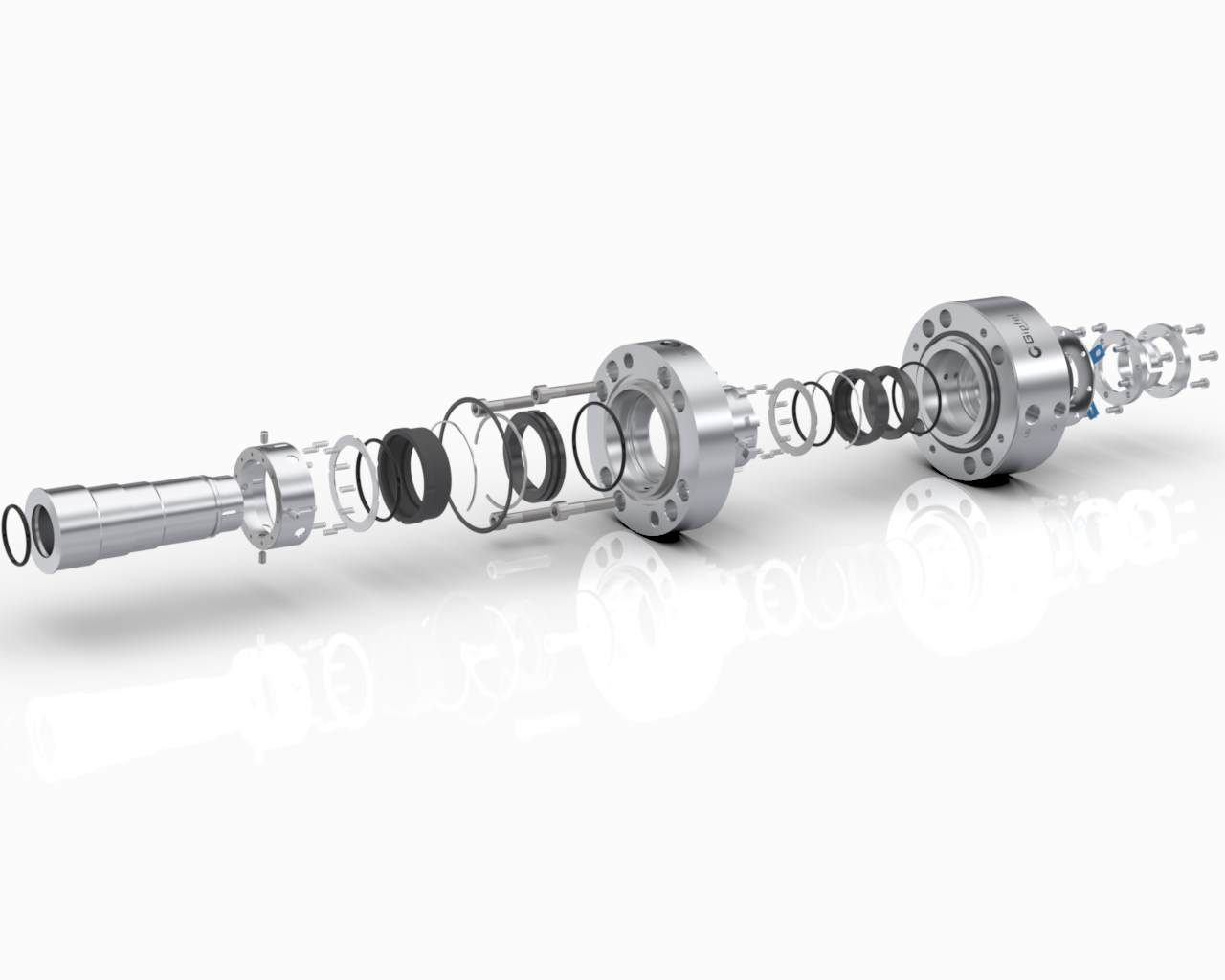
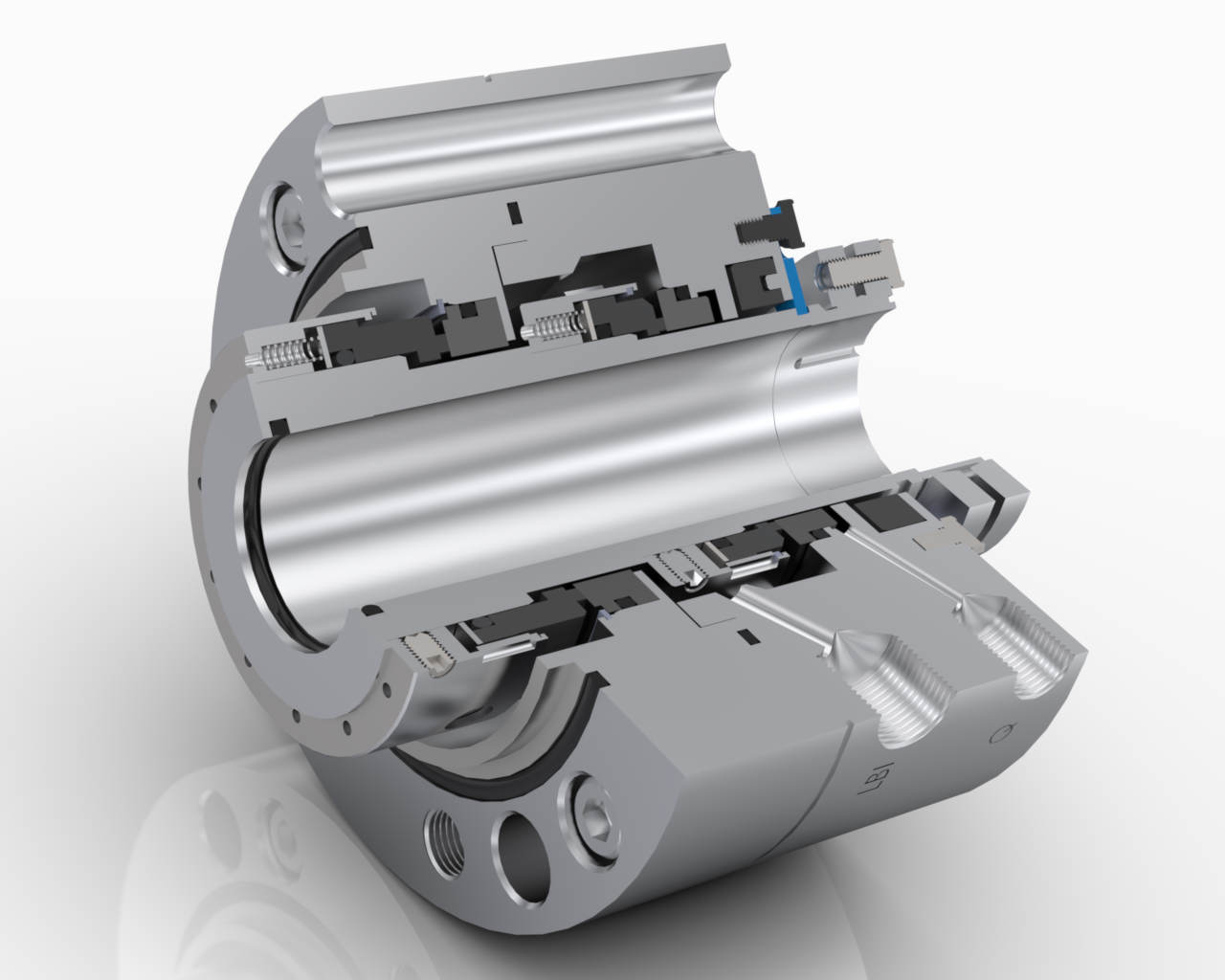
- API 682‑oriented cartridge construction for reliable installation, reduced setting errors, and consistent field performance across a wide range of process pumps.
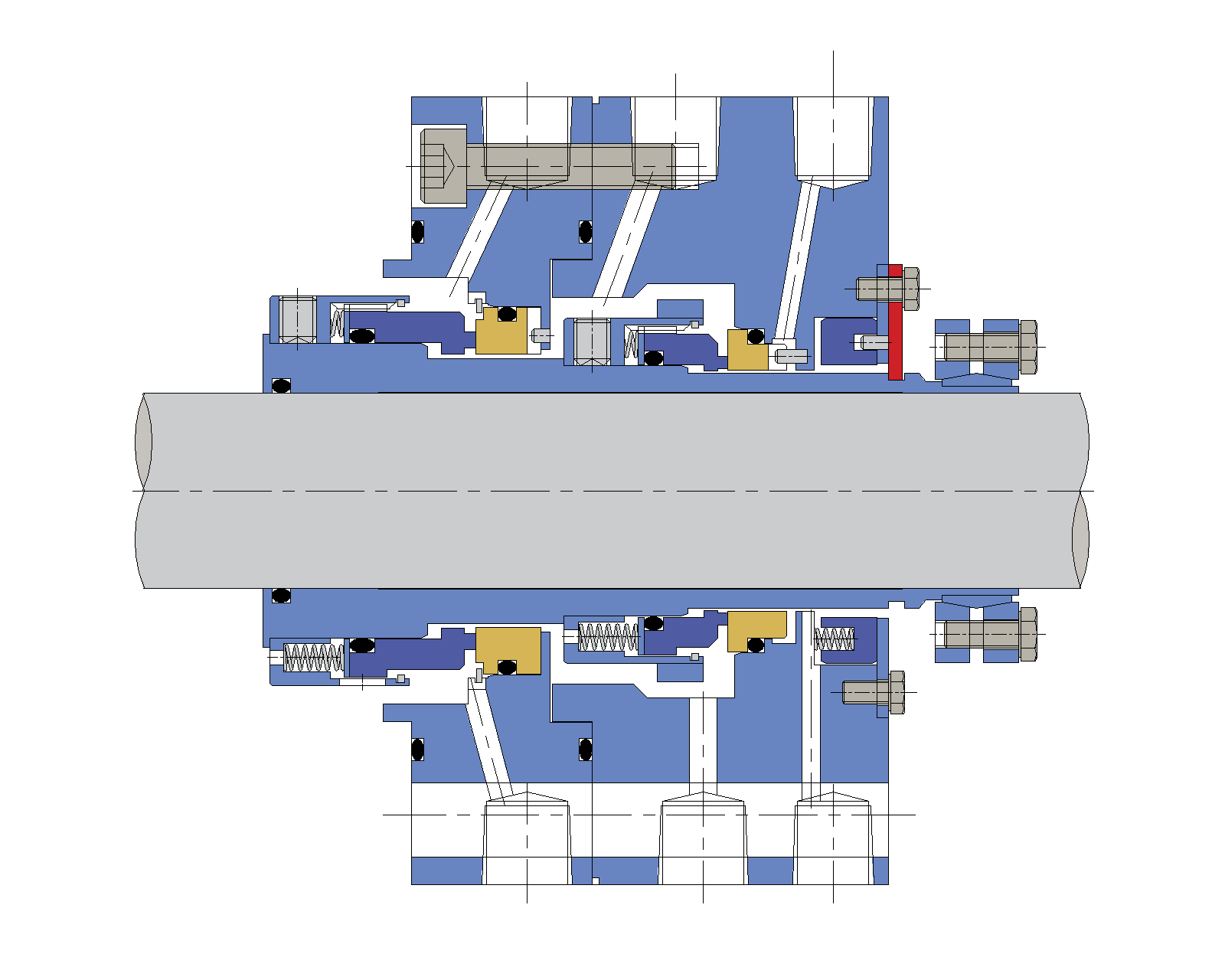
- Single, tandem, and double‑seal configurations (Arrangement 1, 2, and 3) available to suit different emissions, containment, and reliability requirements.
- Quick installation and maintenance access thanks to a simplified, cartridge‑style layout that reduces equipment downtime and maintenance labour requirements.
- Factory‑assembled and performance‑tested units delivered with verified pressure integrity and compliance with API 682 requirements, ensuring immediate field reliability.
- Rotary and stationary metal‑bellows options for high‑temperature and corrosive services, providing flexibility based on application severity and operating conditions.
- High‑integrity leakage control for hazardous, flammable, volatile, and environmentally sensitive process fluids, supporting emissions‑controlled and safety‑critical service.
- Hydraulically balanced seal faces reduce axial face load to minimize wear, lower heat generation, and extend operational seal life under high‑differential‑pressure conditions.
- Heavy‑duty metallurgy options for sour service, chloride‑containing fluids, hydrocarbons, and high‑temperature applications, ensuring corrosion and erosion resistance.
- Integrated flush and quench connections fully compatible with API 682 piping plans (for example Plan 11, 32, 52, 53), enabling effective cooling, cleaning, and environmental control.
- Non‑directional (bi‑directional) operation allows the seal to function reliably in both clockwise and counter‑clockwise shaft rotation, simplifying installation and spare‑seal management.
- Flexible spring configurations including rotary, stationary, and multiple‑spring designs to accommodate shaft movement, pressure variation, and ensure even face loading for consistent sealing.
- Suitable for API 682 Category 1, 2, and 3 – Type A, B, and C designs, compliant with all major categories and types for deployment in light, moderate, and severe service conditions across critical industrial applications.
Service Overview;
| Parameter | Value |
| Equipment | API 610 / ISO 13709 centrifugal process pumps, refinery pumps, petrochemical pumps, LPG transfer pumps, boiler feed and utility pumps |
| Fluid | LPG, light hydrocarbons, heavy hydrocarbons, hot oil, solvents, chemicals, condensate, process water, and other critical process media |
| Service Nature | Hazardous, flammable, volatile, high-temperature, emission-sensitive, or environmentally controlled services |
| Operating Mode | Continuous-duty operation with pressure, temperature, and process variations |
Specifications;
| Item | Min | Max | Typical / Notes |
| Size | 20 mm (0.750”) | 250 mm (10.000”) | Larger engineered sizes available on request |
| Pressure | Vacuum / 0 bar (0 psi) | 42 bar (610 psi) | Higher-pressure engineered designs available based on arrangement and seal chamber limits |
| Temp | -130°C (-202°F) | +400°C (+752°F) | Depends on elastomer, gasket, metal, and flush plan selection |
| Speed | — | 3600 rpm | Final rating depends on shaft size, balance ratio, face pair, and pump duty |
Materials;
| Component | Standard Material | Optional Material | Comment |
| Seal Faces | Carbon Graphite vs Silicon Carbide | Silicon Carbide vs Silicon Carbide, Tungsten Carbide, Antimony Carbon | Selected based on lubricity, abrasives, temperature, and vapor pressure |
| Secondary Seals | FKM / Viton | AFLAS, FFKM, PTFE, Flexible Graphite | Selected for chemical compatibility and temperature exposure |
| Metal Parts | SS 316 / SS 316L | Duplex SS, Super Duplex, Alloy 20, Hastelloy C, Inconel | For chloride, sour, acidic, or high-corrosion services |
| Springs & Drive Parts | SS 316 | Hastelloy C, Inconel, Alloy Steel | Isolated or non-clogging spring designs available depending on service |
Applications;
- Petrochemical and chemical process pumps
- API 610 / ISO 13709 process pump installations
- Oil and gas production, transfer, and utility services
- LPG plants and volatile hydrocarbon transfer systems
- Hazardous, flammable, toxic, or environmentally regulated fluids
- Power generation auxiliaries and high-temperature liquid services
- Refinery hydrocarbon, hot oil, naphtha, diesel, and condensate pumps
- Services requiring API 682-style seal arrangements and API piping plans
Operating Limits;
| Parameter | Value |
| Pressure | Up to 42 bar (610 psi), higher ratings on request |
| Temp | -130°C to +400°C (-202°F to +752°F), depending on materials |
| Speed | Up to 3600 rpm, subject to shaft size and seal configuration |
| Size Range | 20 mm to 250 mm (0.750” to 10.000”), larger sizes on request |
Engineering Note;
Operating limits and material selections are inferred from common API 682-style process pump seal practice. Final values should be verified against the actual pump seal chamber dimensions, fluid properties, vapor pressure, emissions requirement, piping plan, and site operating conditions.
Reviews
There are no reviews yet.