
Product overview;
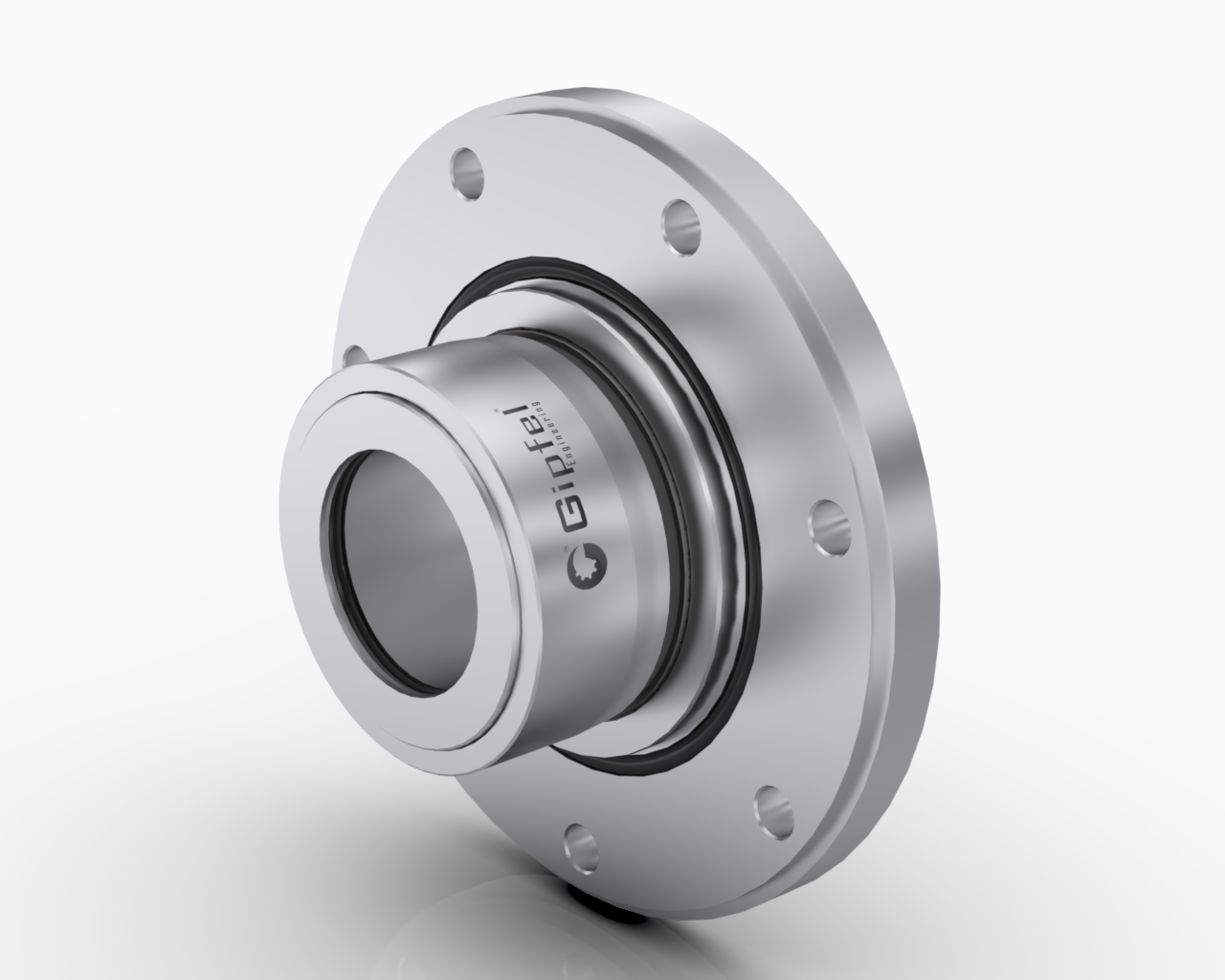
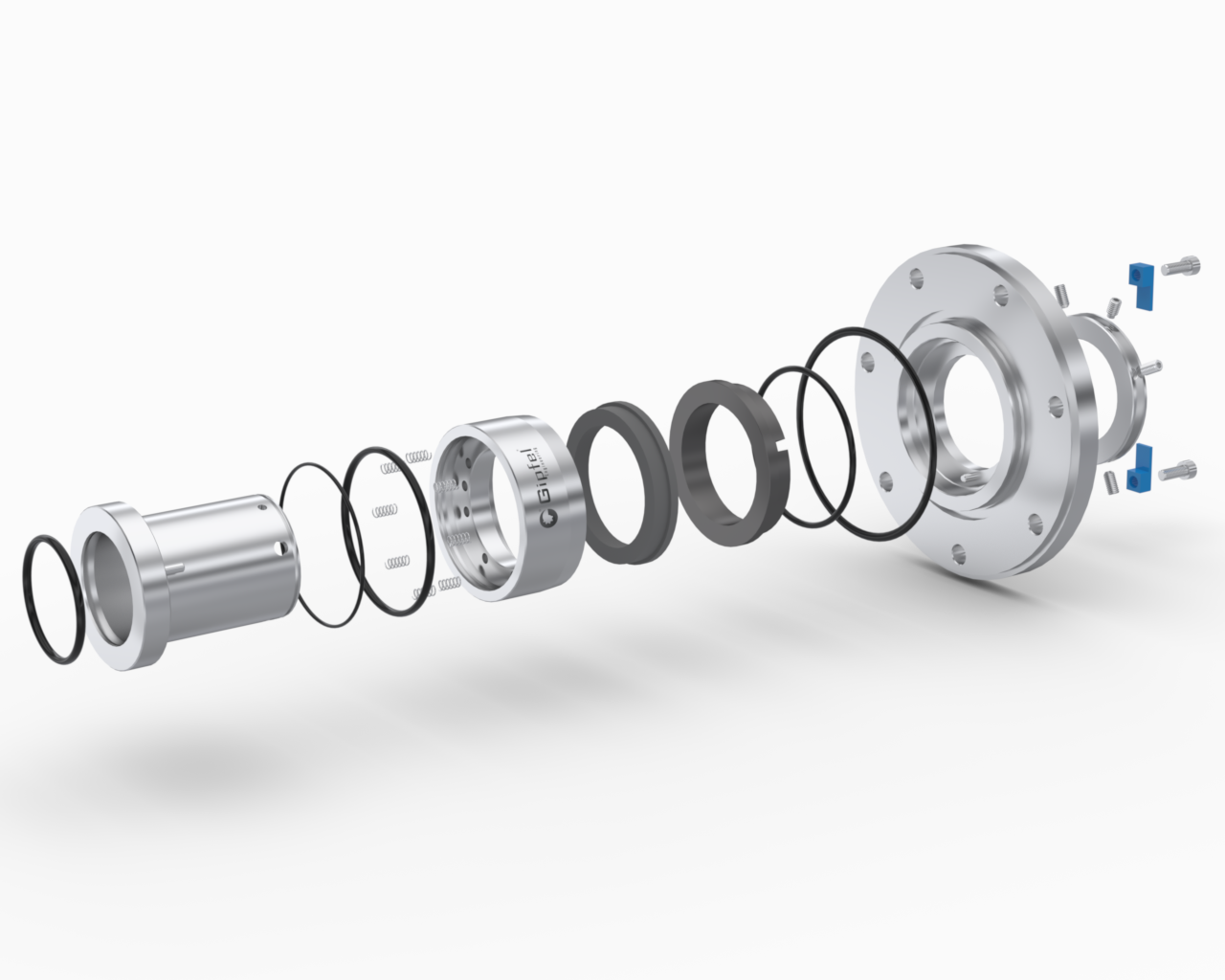
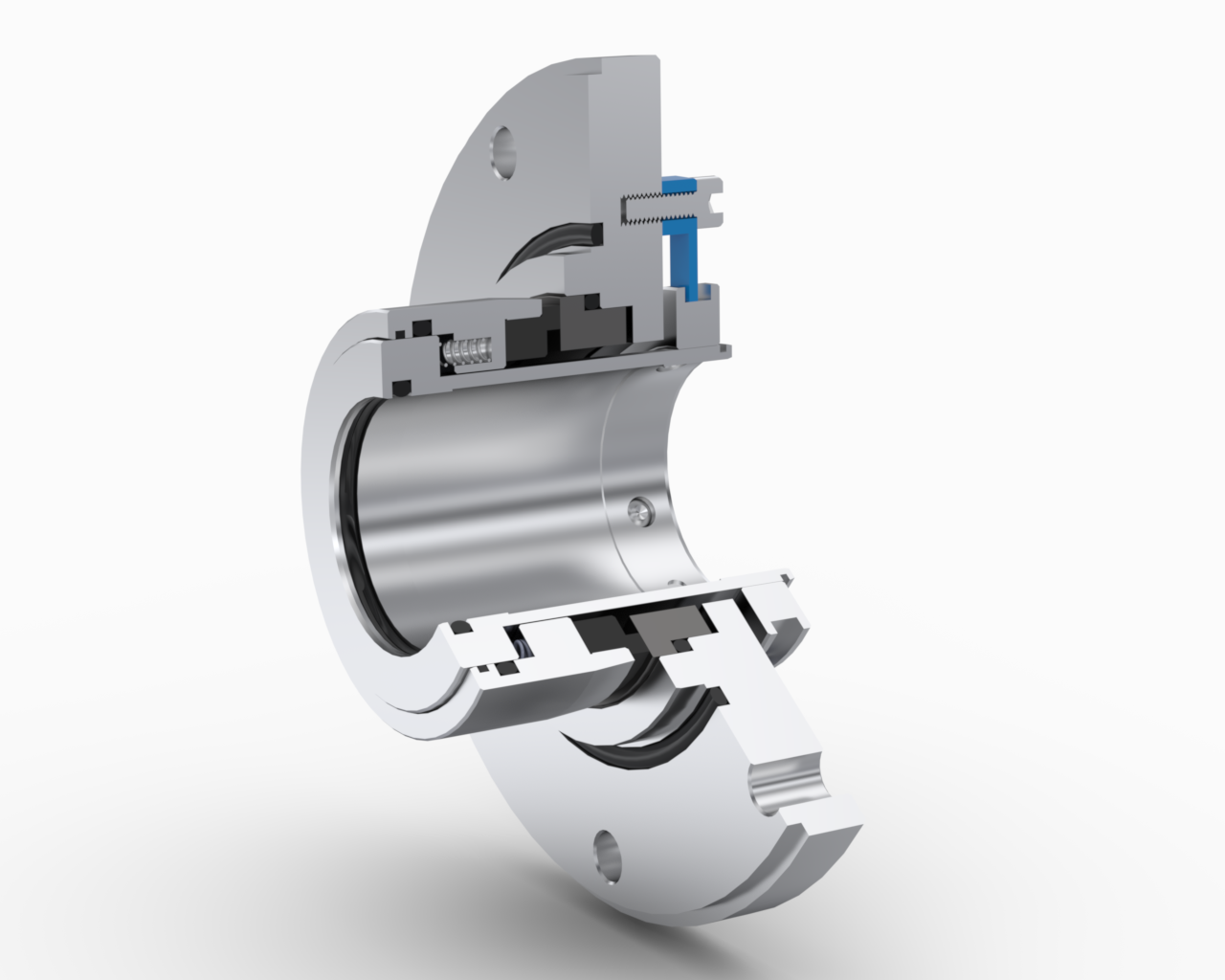
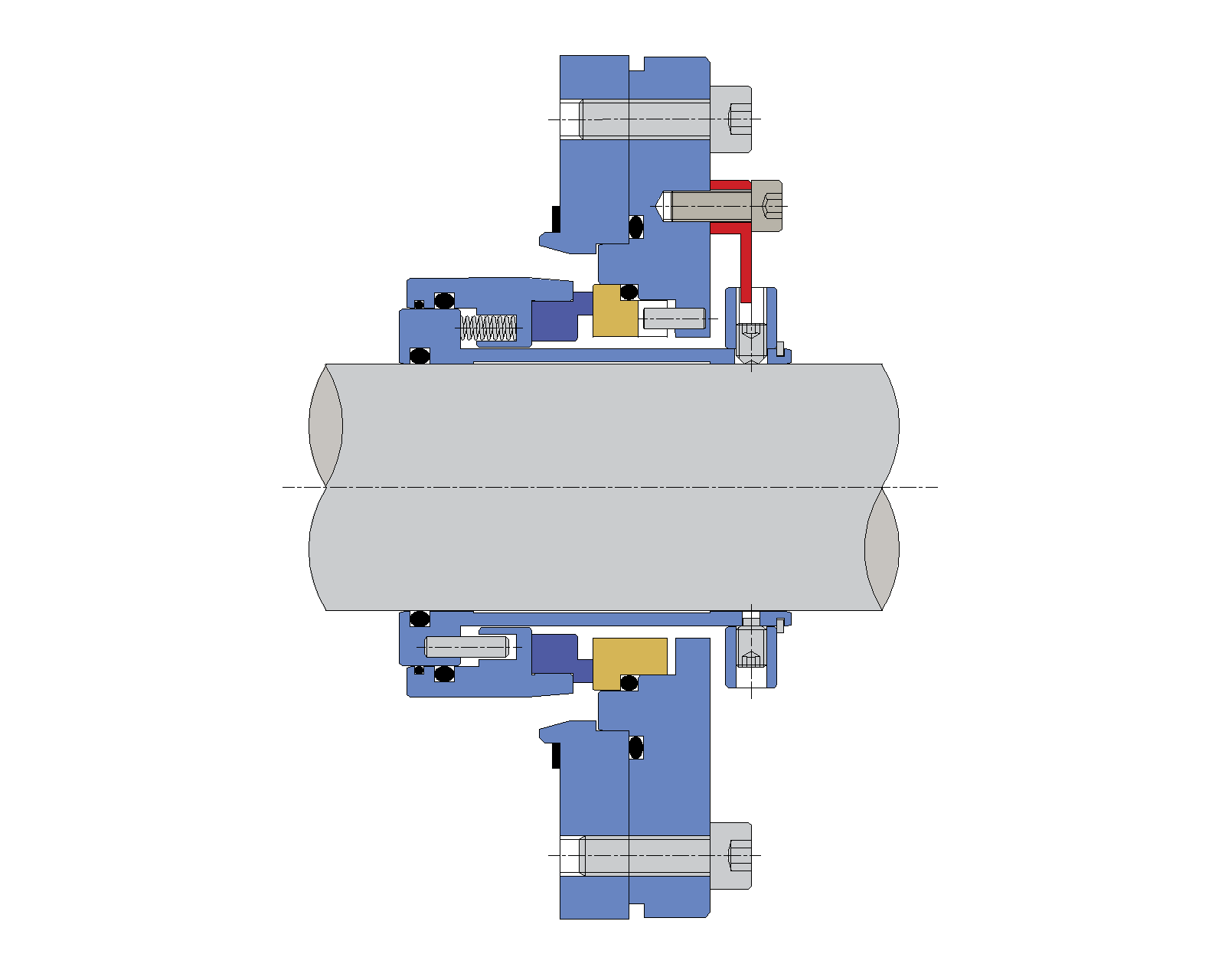
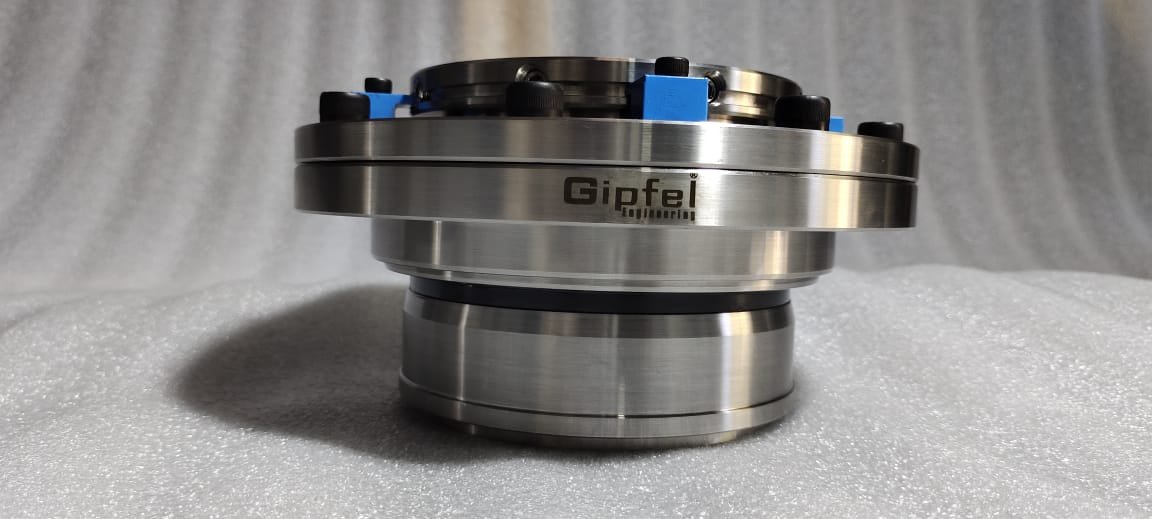
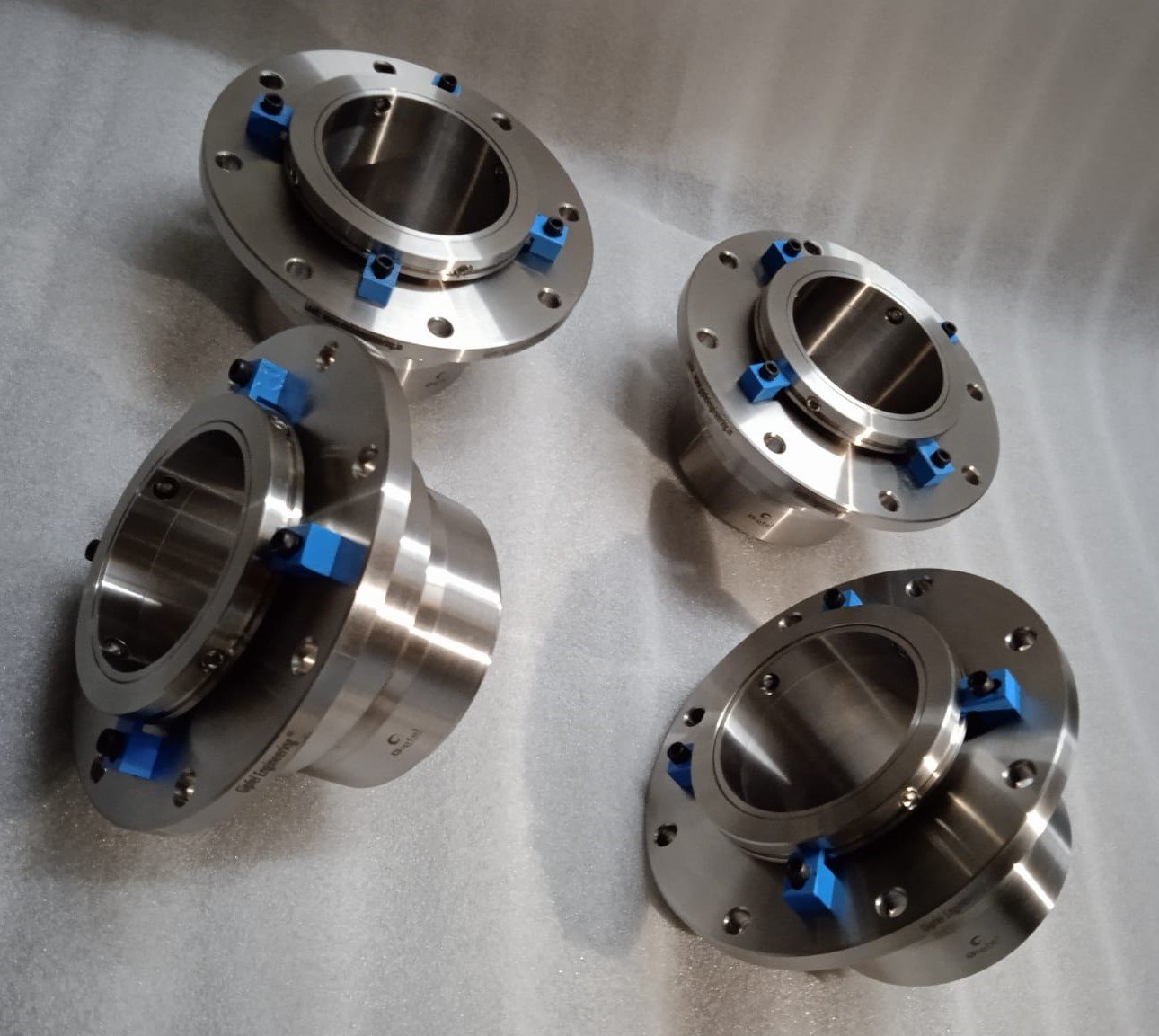
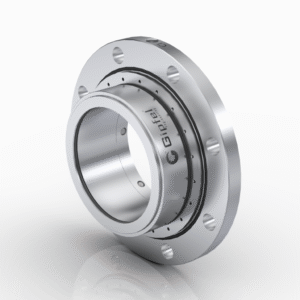
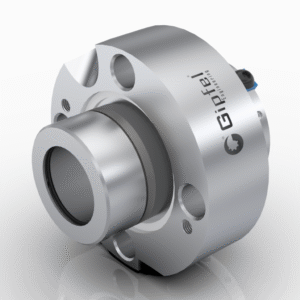
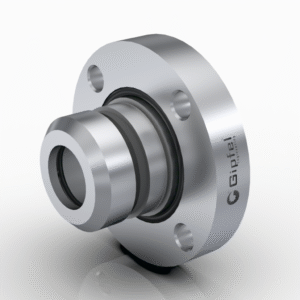
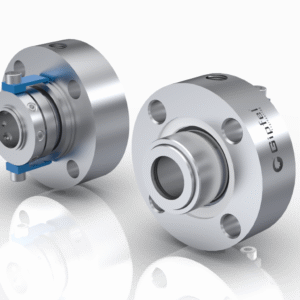
The LS830 is a compact, single, balanced, multi-spring pusher mechanical seal with a rotary-spring configuration engineered for light-to-moderate abrasive slurry services. Designed for equipment exposed to suspended solids, crystallizing media, viscous liquids, and process contamination, the LS830 provides stable face loading, consistent leakage control, and dependable operation where conventional seals fail prematurely.
Key benefits and technical features;
- Hard-faced seal combinations provide abrasion-resistant sealing interfaces that extend service life in slurry, crystallizing, and mildly erosive process fluids.
- Available in metric and inch sizes to facilitate global compatibility, retrofit into existing equipment, and alignment with international engineering standards.
- Single seal configuration offers a cost-effective solution that is straightforward to maintain and well-suited for light-duty slurry and general-purpose services.
- Quick installation and easy removal are achieved through cartridge-style construction, which shortens maintenance interventions and lowers mean time to repair.
- Bi-directional operation allows the seal to function independently of shaft rotation direction, reducing inventory complexity and the number of variants required in stock.
- Water-saving design supports plant sustainability initiatives by minimizing dependence on process or utility water for seal operation and lowering associated operating costs.
- Rotary spring configuration delivers a compact envelope and consistent mechanical face loading, particularly suitable where spring exposure to the process media is minimized.
- Optimized for light slurry service, typically up to about 10% solids concentration by weight and low-to-moderate abrasiveness, when particle size and hardness are within recommended limits.
- Hydraulically balanced, multi-spring design minimizes face loading, friction, and heat generation, improving seal stability and extending face life under fluctuating pressure and flow conditions.
- Multiple-spring configuration ensures uniform face loading, better compensation for minor misalignment or shaft run-out, and enhanced performance under variable operating condition.
- Isolated spring arrangement protects springs from direct slurry exposure, preventing clogging, solids accumulation, and spring hang-up, which enhances reliability in abrasive and solids-laden services.
- Flush-free and quench-free operation allows the seal to run without external flush or cooling water in most duties, eliminating product dilution, simplifying piping, and reducing water usage and environmental impact.
- Cartridge and semi-cartridge options are factory-assembled and pressure-tested, ensuring correct alignment and concentricity, simplifying installation and removal, and significantly reducing downtime and field installation errors.
- Broad equipment applicability, including pumps, mixers, agitators, and other rotary process equipment across mining, mineral processing, chemical, fertilizer, pulp & paper, wastewater, and utility plants, makes the design suitable as a standard slurry sealing solution.
Service Overview;
| Parameter | Value |
| Equipment | Slurry pumps, process pumps, mixers, agitators, rotary joints, and other rotary equipment |
| Fluid | Light slurry, crystallizing media, molasses, corn slurry, mineral slurry, wastewater, solvent-based process liquids, FGD slurry, tailings, and process suspensions |
| Service Nature | Light abrasive, mildly erosive, viscous, crystallizing, contaminated, or solids-laden service |
| Operating Mode | Continuous or intermittent operation in process, utility, and slurry transfer systems |
Specifications;
| Item | Min | Max | Typical / Notes |
| Size | 20 mm (0.750”) | 300 mm (12.000”) | Metric and inch sizes available on request |
| Pressure | Atmospheric / vacuum on request | 20 bar (174 psi) | Suitable for light-duty slurry service; higher pressure by design review |
| Temperature | -20°C (-4°F) | +180°C (+356°F) | Depends on elastomer and face material selection |
| Speed | — | 3,000 rpm | Final limit depends on shaft size, fluid properties, and equipment dynamics |
Materials;
| Component | Standard Material | Optional Material | Comment |
| Seal Faces | Carbon / Ceramic or Carbon / Silicon Carbide | Silicon Carbide / Silicon Carbide, Tungsten Carbide / Silicon Carbide | Hard faces recommended for abrasive slurry and crystallizing service |
| Elastomers | NBR / FKM | EPDM, PTFE, FEP-encapsulated FKM, FDA-grade elastomers on request | Selected according to chemical, temperature, food, and pharma requirements |
| Metal Parts | SS 304 | SS 316, Duplex SS, Alloy 20, Hastelloy, Titanium | Based on corrosion severity and plant fluid compatibility |
| Springs | SS 304 / SS 316 | Hastelloy, Alloy 20 | Spring material selected for chemical resistance and service environment |
Applications;
- Dyeing, chemical, solvent, pigment, phosphate, potash, and fertilizer plants.
- Mining, gold mining, hard rock mining, mineral sand ore mining, and tailings disposal.
- Pulp & paper, food & sugar, pharmaceutical, distillery, and molasses handling systems.
- Power plants, FGD systems, wastewater treatment, wet cement processing, and building services.
- Zinc refining, nickel refining, copper refining, alumina refining, uranium processing, and iron ore processing.
- Oil & petrochemical plants, offshore sand/gravel oil extraction, hazardous liquid transfer, and process utilities.
- Corn slurry, bauxite slurry, iron ore slurry, crystallization, slurry transfer, mixers, and general rotary equipment.
Operating Limits;
| Parameter | Value |
| Pressure | Up to 12 bars (174 psi) |
| Temperature | -20°C to +180°C (-4°F to +356°F) |
| Speed | Up to 3,000 rpm |
| Size Range | 20 mm to 300 mm (0.750” to 12.000”) |
| Solids | 10% Maximum solids by weight |
| Particle Size | 1,000 Microns Maximum |
| Particle Hardness | 4 Mohs Maximum |
Engineering Note;
Pressure, temperature, speed, and material limits are inferred conservative values for a light-duty rotary spring slurry mechanical seal. Final selection should be verified against actual slurry concentration, particle size, shaft speed, equipment runout, fluid chemistry, and installation dimensions.
Reviews
There are no reviews yet.