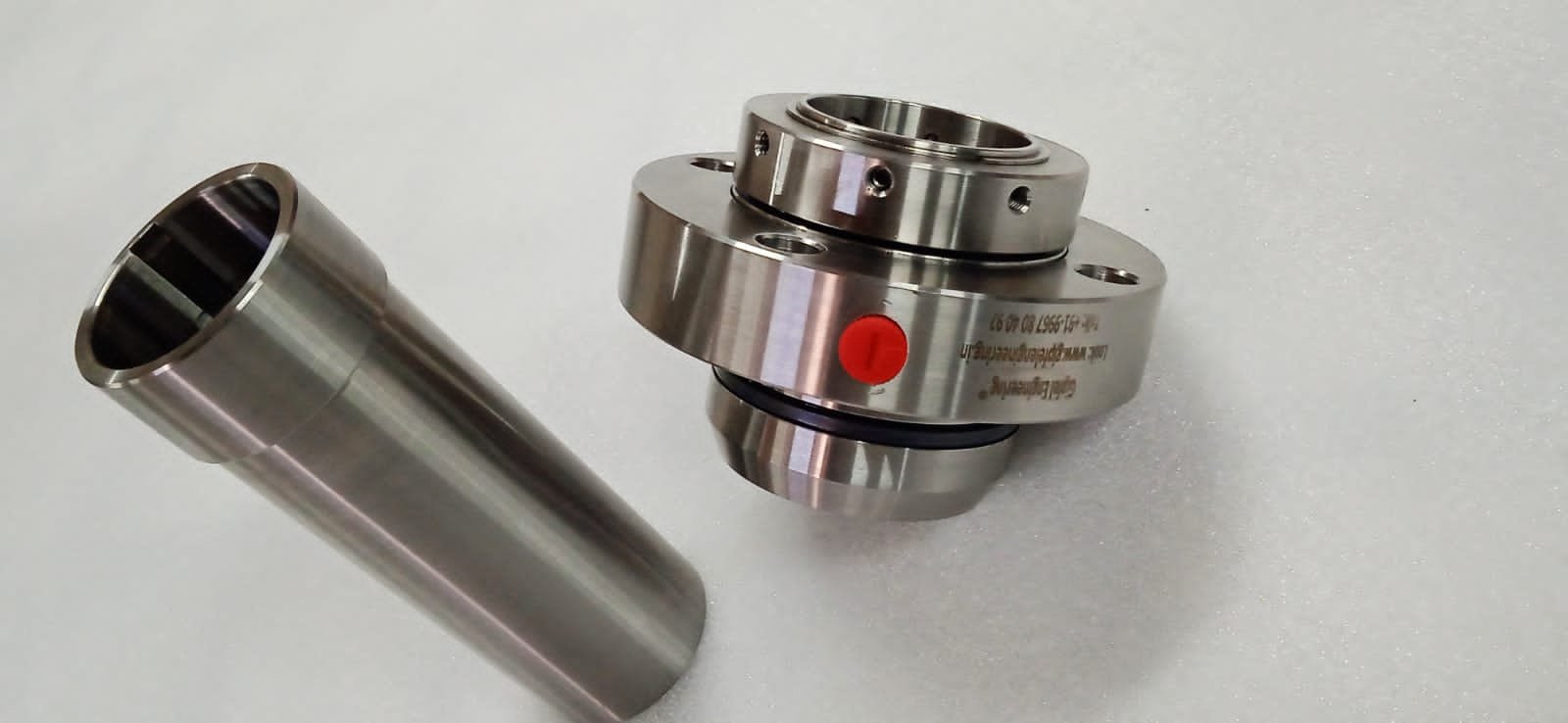
Product overview;
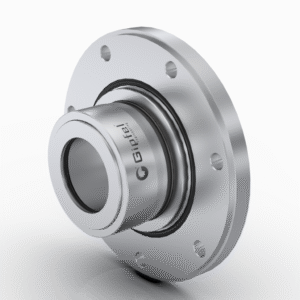
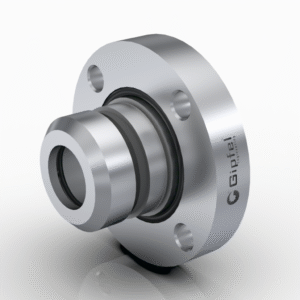
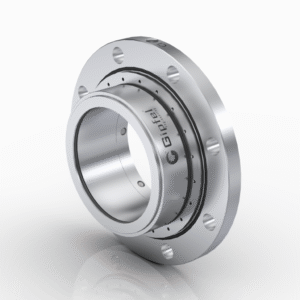
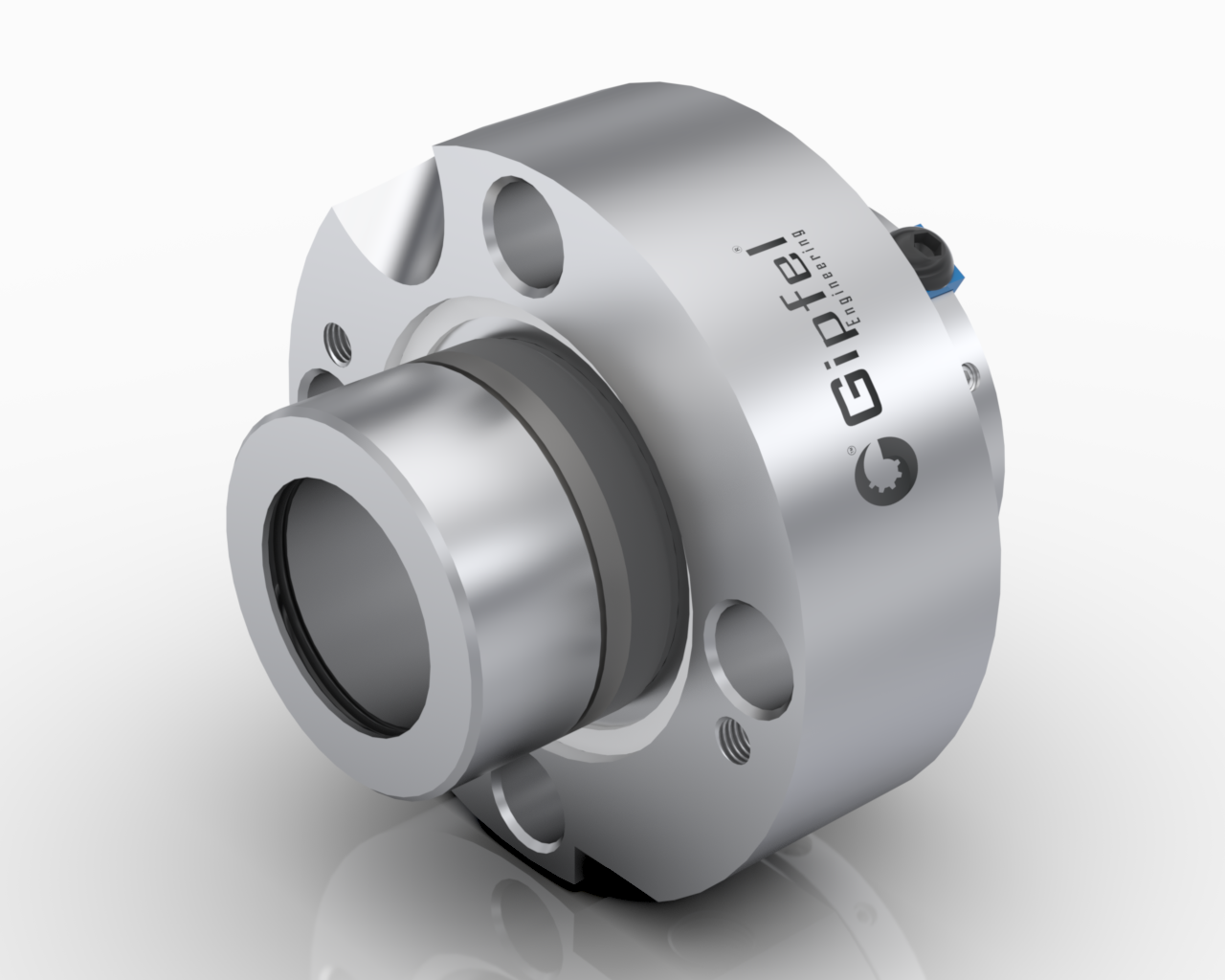
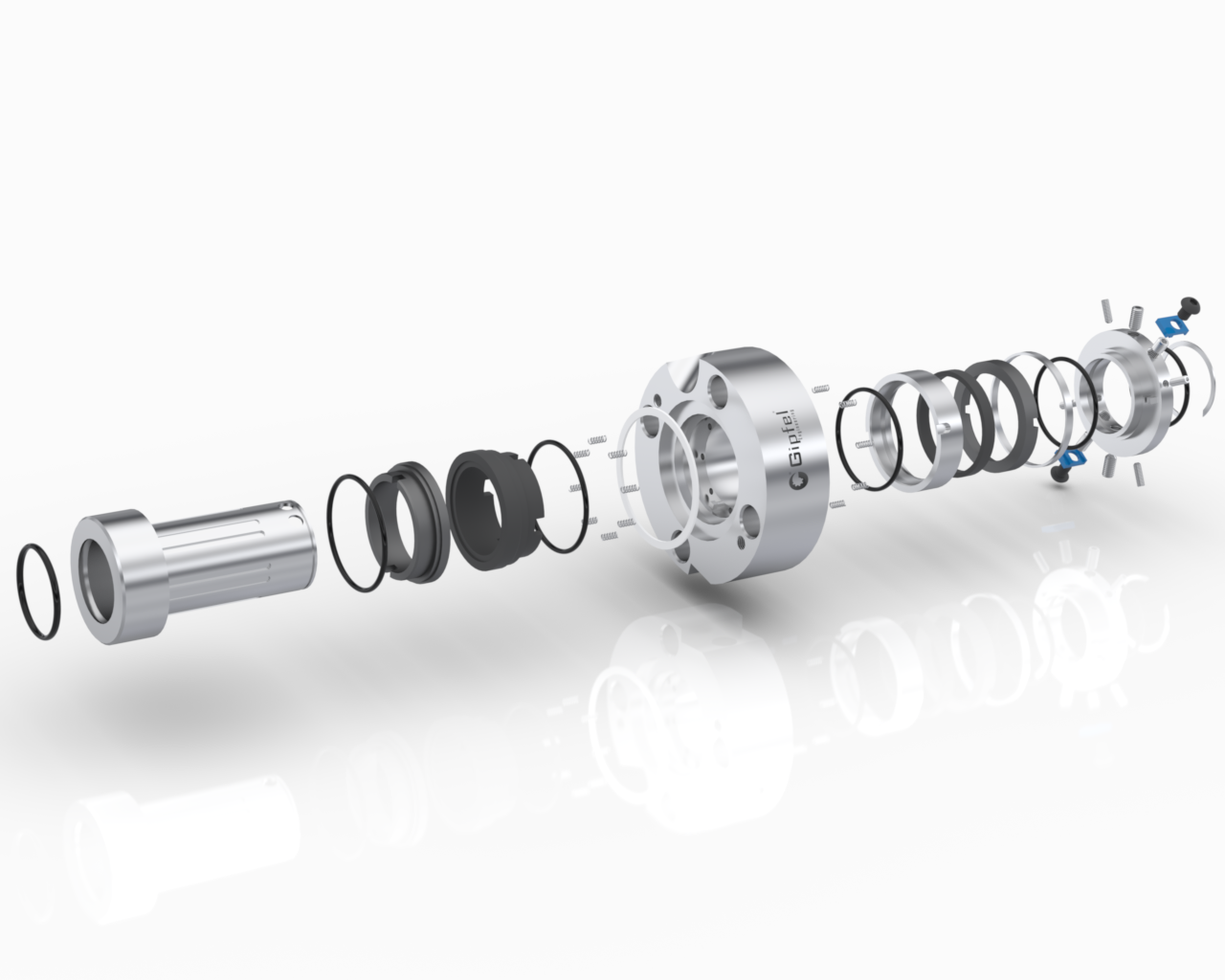
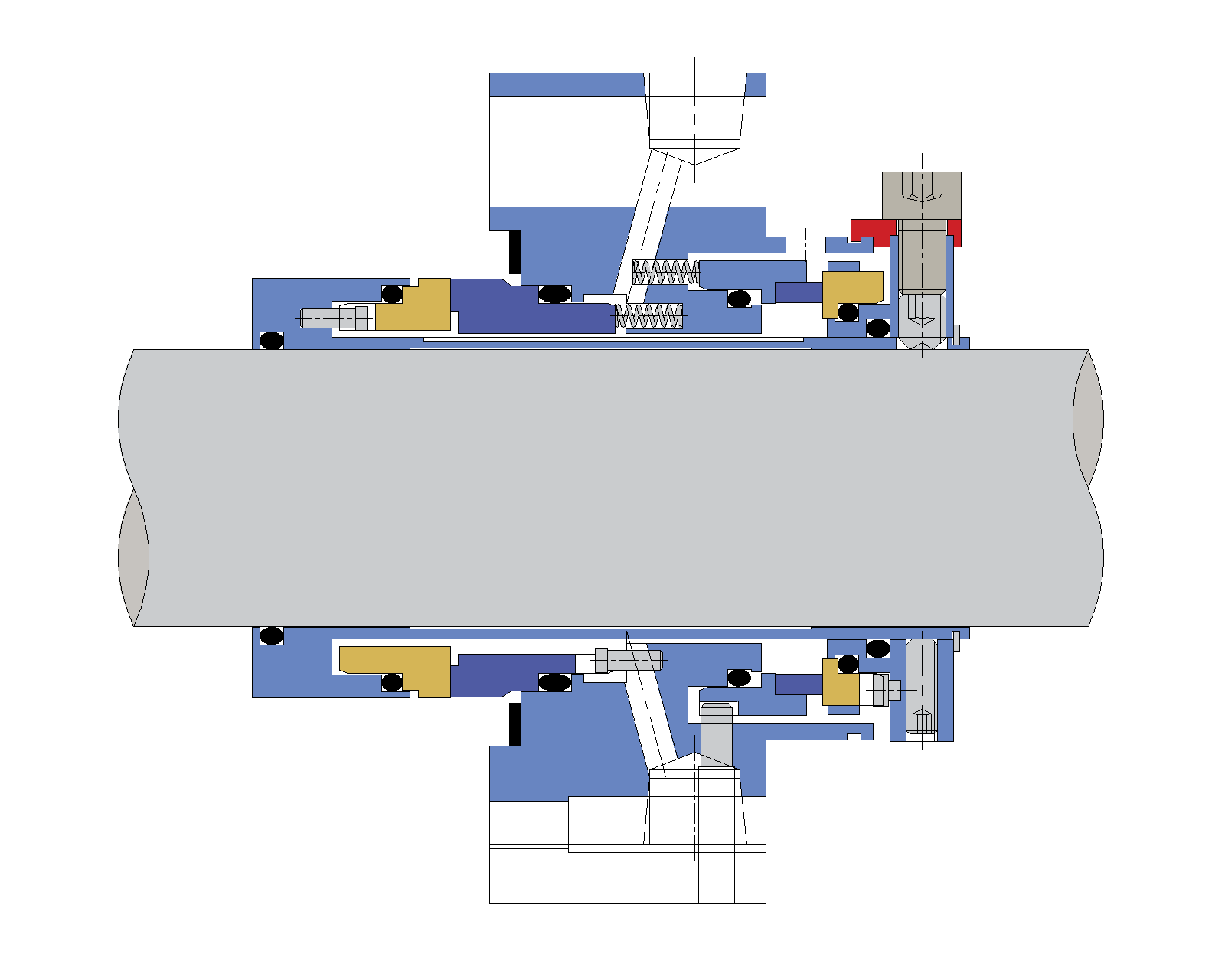
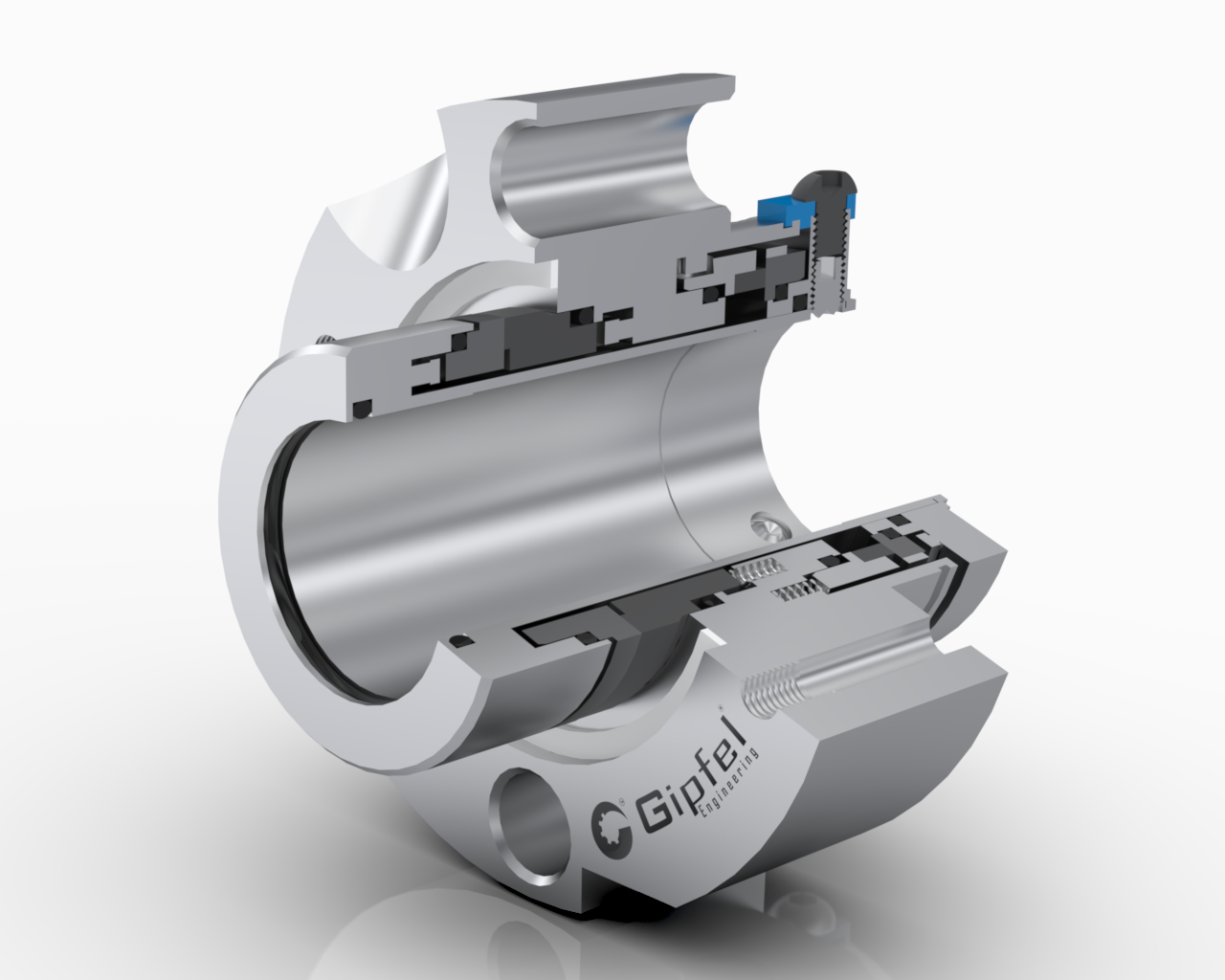
The HS860 Heavy Duty Slurry Mechanical Seal is engineered for severe-duty slurry services where abrasive solids, crystallizing media, viscous liquids, and corrosive process fluids can rapidly damage conventional mechanical seals. Its stationary spring configuration locates the spring mechanism in the gland and fully isolates it from the rotating slurry path, significantly reducing clogging, spring fouling, and loss of axial movement in high‑solids and aggressive environments.
Designed for slurry pumps, process pumps, mixers, agitators, and other rotating equipment, the HS860 is suitable for applications in mining, mineral processing, chemical plants, pulp & paper, fertilizer production, pigments, distilleries, wastewater treatment, FGD systems, refineries, and heavy industrial process plants. Robust face material combinations (such as hard SiC and WC pairings), heavy‑duty metallic hardware, and flush‑compatible construction enable extended seal life and reliable performance in abrasive, erosive, and corrosive process conditions.
A slurry is a highly abrasive mixture of solid particles suspended in a liquid that imposes severe mechanical and chemical stress on conventional sealing systems. The HS860 is a stationary‑spring heavy‑duty slurry mechanical seal specifically engineered for the most demanding slurry applications, where high solid content, aggressive media, and variable pressure and flow conditions are the norm.
In this configuration, the springs are positioned in the stationary gland, away from direct exposure to the process media. This isolation greatly reduces the risk of clogging, corrosion, and solids packing, helping the seal maintain consistent axial loading and stable sealing performance. The design is therefore particularly well suited to mining, mineral processing, chemical slurries, wastewater treatment, FGD, and power-generation services where long seal life, minimal maintenance, and controlled leakage are critical.
Key and technical features;
- Suitable for hazardous and corrosive liquids when paired with appropriate elastomer and metallic material selections.
- Heavy‑duty construction is engineered for abrasive, erosive, crystallizing, and viscous media commonly found in severe process duties.
- Reduced axial hang‑up risk compared with rotating‑spring arrangements, making the seal highly reliable in solids‑laden slurry services.
- Slurry‑compatible face combinations such as SiC/SiC or TC/TC provide high wear resistance and extended face life under heavy solids loading.
- Stationary spring design minimizes direct spring exposure to the slurry, reducing clogging, solids packing, and spring hang‑up in high‑solids and crystallizing services.
- Flush‑compatible seal chamber design supports external flush, quench, or barrier‑fluid arrangements where environmental control, cooling, or solids removal is required.
- Broad equipment applicability to slurry pumps, process pumps, mixers, agitators, and other rotary equipment across mining, mineral processing, chemical, fertilizer, wastewater, FGD, and heavy‑process‑plant applications.
Durability & reliability;
- Wide elastomer compatibility supports materials such as Viton, EPDM, and FFKM to match process‑fluid chemistry, temperature, and sealing requirements.
- Robust seal faces utilize hard materials such as silicon carbide or tungsten carbide to deliver superior abrasion resistance and durability under high solids loading.
- Vibration‑ and shock‑resistant design is engineered to withstand pump vibrations and process pulsations without compromising sealing performance in slurry service.
- Heavy‑duty housing materials include stainless steel, Hastelloy, or alloy‑coated steel, selected for corrosion and erosion resistance with aggressive, abrasive slurries.
Performance & efficiency;
- Application versatility covers vertical and horizontal pumps, agitators, mixers, and other rotating equipment operating in severe slurry services.
- Isolated springs are located in a non‑wetted (gland) area, preventing exposure to abrasive particles and significantly improving seal longevity and reliability.
- Hydraulically balanced design reduces seal face load, friction, and heat generation, prolonging seal and equipment life even under fluctuating pressure and flow conditions.
- Multiple‑spring configuration ensures even face‑load distribution, compensates for shaft misalignment and face wear, and supports stable performance under dynamic operating conditions.
- Double‑seal option offers superior containment and reliability for abrasive and hazardous slurry environments by using a pressurized barrier fluid, improving environmental control and leak protection.
- Stationary spring configuration positions springs outside the product (non‑wetted) and keeps them static, eliminating clogging from solids while maintaining consistent axial force distribution and increasing Mean Time Between Failures (MTBF).
Installation & maintenance;
- Factory‑assembled and tested seals are built and verified under controlled conditions, ensuring proper alignment, concentricity, and readiness for installation.
- Metric and inch sizes available provide broad compatibility with international equipment standards, simplifying inventory management and global deployment.
- Independent of direction of rotation supports use on equipment with unknown or reversing shaft rotation, improving flexibility and reducing spare‑seal variants.
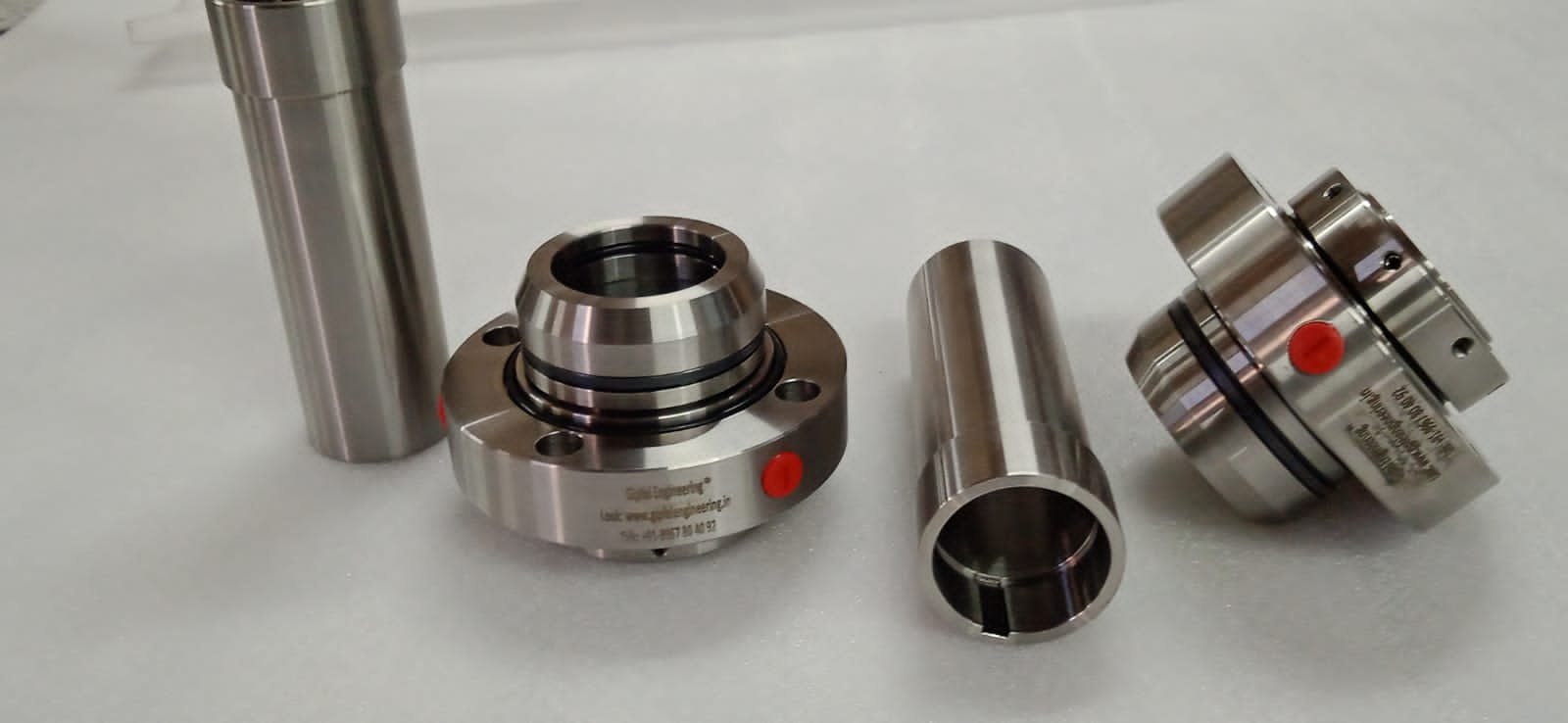
- Quick installation and easy removal are enabled by cartridge‑style pre‑assembly, allowing fast, error‑free installation or replacement and reducing production downtime.
- Modular cartridge construction delivers a pre‑assembled, pressure‑tested unit that maintains factory‑set tolerances and enables rapid maintenance with minimal field adjustments.
Environmental & safety;
- Flushing and quenching connections are provided for external lines so that slurry buildup, temperature, and crystallization can be actively managed, enhancing seal performance and safety in aggressive process environments.
- Flush, quench, and barrier‑fluid options allow integration with industry‑standard API piping plans (for example, Plan 32, 54) to support cooling, particle removal, and environmental containment, improving seal‑face protection and reliability.
Service Overview;
| Parameter | Value |
| Equipment | Slurry pumps, process pumps, centrifugal pumps, mixers, agitators, rotary equipment |
| Fluid | Abrasive slurry, mineral slurry, pigment slurry, phosphate slurry, bauxite slurry, iron ore slurry, corn slurry, molasses, solvents, hazardous liquids, wastewater, FGD slurry |
| Service Nature | Abrasive, erosive, crystallizing, viscous, corrosive, solids-laden, hazardous |
| Operating Mode | Continuous or batch operation; wet-running seal service; external flush recommended for severe slurry duty |
Specifications;
| Item | Min | Max | Typical / Notes |
| Size | 20 mm (0.750”) | 300 mm (12.000”) | Custom sizes available on request |
| Pressure | Vacuum | 25 bar (363 psi) | Depends on seal chamber pressure, slurry concentration, and flush arrangement |
| Temperature | -40°C (-40°F) | +220°C (+428°F) | Higher limits possible with special elastomers and metallurgy |
| Speed | Low speed | 2900 RPM | RPM limit depends on shaft diameter, face materials, and equipment dynamics |
Materials;
| Component | Standard Material | Optional Material | Comment |
| Seal Faces | Silicon Carbide vs Silicon Carbide | Tungsten Carbide vs Tungsten Carbide, Carbon vs SiC | SiC/SiC preferred for abrasive slurry service |
| Elastomers | FKM / EPDM | PTFE, FEP-encapsulated FKM, FFKM | Select based on chemical compatibility and temperature |
| Metal Parts | SS 316 | Duplex SS, Alloy 20, Hastelloy C, Super Duplex | Select based on corrosion and chloride exposure |
| Springs | SS 316 stationary spring set | Hastelloy C, Inconel | Stationary design reduces slurry fouling risk |
| Sleeve / Gland | SS 316 | Duplex SS, Hastelloy C, coated sleeve options | Hard coatings recommended for erosive services |
Applications;
- Oil, gas, and offshore: oil and petrochemical service, off-shore sand/gravel oil extraction.
- Metallurgical plants: zinc refining, nickel refining, copper refining, alumina refining, steel making plants.
- Mining and mineral processing: gold mining, hard rock mining, mineral sand ore mining, tailings disposal.
- Ore and slurry processing: coal processing, iron ore processing, uranium processing, bauxite and iron ore slurry.
- Equipment types: slurry pumps, centrifugal pumps, process pumps, mixers, agitators, and other rotary equipment.
- Utilities and environmental systems: wastewater treatment, flue gas desulphurization (FGD), wet cement processing.
- Chemical and fertilizer plants: phosphate plants, potash plants, pigment plants, solvents plants, hazardous liquid service.
- Process industries: dyeing, pulp and paper, pharmaceutical, food and sugar, distillery, synthetic rutile, tar sand extraction.
Operating Limits;
| Parameter | Limit |
| Pressure | Up to 25 bar (363 psi) |
| Temperature | -40°C to +220°C (-40°F to +428°F) |
| Speed | Up to 2900 RPM, shaft-size dependent |
| Size Range | 20 mm to 300 mm (0.750” to 12.000”), custom sizes on request |
| Solids | 60% Maximum solids by weight |
| Particle Size | 10,000 Micron Maximum |
| Particle Hardness | 9 Mohs Maximum |